
Politics
21 States Challenge Trump Administration Over CFPB Funding

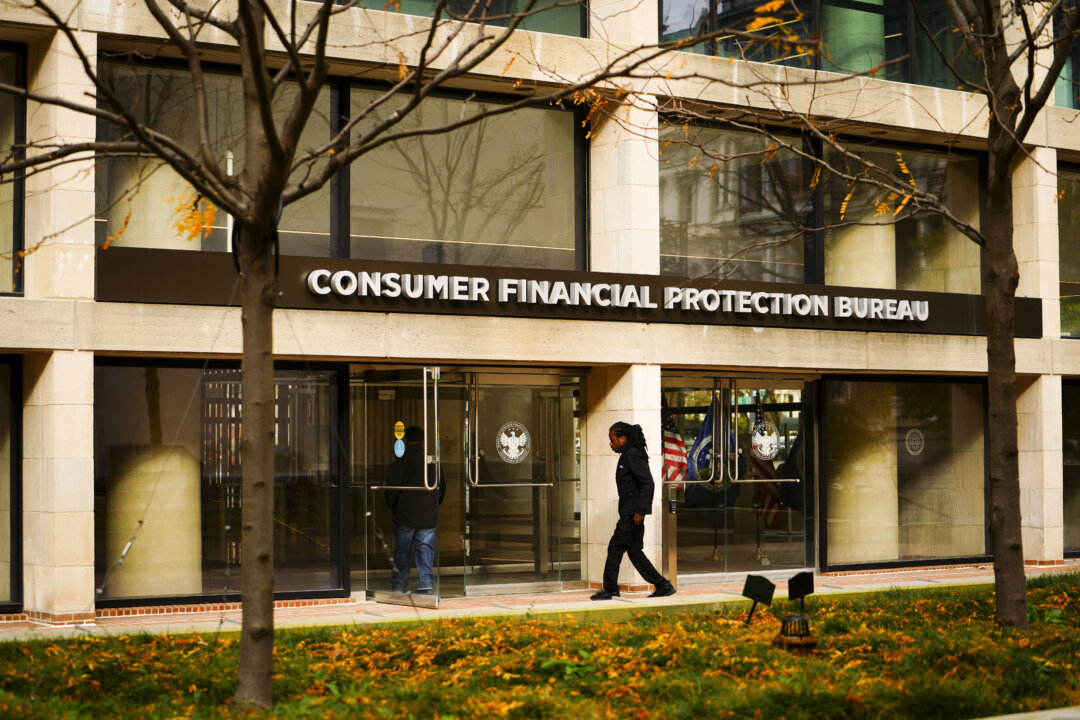
Attorneys general from 21 Democratic-led states and the District of Columbia initiated a legal challenge against the Trump administration on March 15, 2024. They aim to prevent the federal government from defunding the Consumer Financial Protection Bureau (CFPB) by withholding Federal Reserve funding requests. This lawsuit, filed in the U.S. District Court in Oregon, asserts that the administration’s actions violate established law and undermine the intent of Congress.
The plaintiffs argue that the CFPB plays a critical role in protecting consumers from unfair financial practices. Without adequate funding, they claim the agency will struggle to fulfill its responsibilities effectively. New York Attorney General Letitia James stated, “The administration’s actions are a handout to those who drive up costs by cheating hardworking Americans, and I will keep fighting to ensure they follow the law and our Constitution.”
Legal experts suggest that this case could have significant implications for the CFPB and its capacity to regulate financial institutions. Established in the aftermath of the 2008 financial crisis, the CFPB was designed to provide oversight and protection for consumers navigating complex financial products. The current lawsuit underscores ongoing tensions between state officials and the federal government regarding financial regulation.
The complaint indicates that the Trump administration’s decision to withhold funding is an attempt to undermine the CFPB’s authority. The plaintiffs contend that this move not only jeopardizes the agency’s operations but also threatens consumer rights nationwide.
In response to the lawsuit, a representative from the Trump administration defended the decision, stating that budgetary constraints necessitated a reevaluation of funding priorities. Nevertheless, the states maintain that such a rationale is insufficient to justify actions that could harm millions of consumers.
As the case progresses through the court system, it will attract attention from various stakeholders, including consumer advocacy groups and financial institutions. The outcome could set a precedent for how federal funding is allocated to regulatory agencies and the extent to which states can challenge federal actions in court.
This legal challenge is part of a broader effort by Democratic-led states to assert their authority over consumer protection policies amid growing concerns about financial practices. The outcome of this case may influence future interactions between state and federal governments in the realm of consumer finance.

Philadelphia Parks Launch Free Earth Month Events Starting April 1

Bradford’s Fish Fry Fridays Serve Community with Delicious Dinners

Trump Faces Growing Challenges Amid Rising Tensions with Iran

Scientists Probe the Universe’s Missing Topological Defects

Samsung Galaxy Watch 9 to Feature Larger 435mAh Battery

UConn Huskies Aim to Defend Title in 2026 NCAA Women’s Tournament

U.S. Littoral Combat Ships Dock in Malaysia Amid Regional Tensions

Healthy Choice Wellness Reports Quarterly Earnings, Shares Rise

Urgent News: Charles M. Payment Passes Away at 78 in Duluth

University of Hawaiʻi Joins $25.6M AI Project to Enhance Disaster Monitoring

Major Grant Enhances Cancer Care and Research in Hawaiʻi

Joleen Chaney, Beloved Journalist, Passes Leaving Lasting Legacy

San Francisco’s SFO to Welcome 16 Airlines with Nonstop Flights to Europe in 2026

Goldman Sachs Unveils 2026 Catalyst Playbook for Biotech Investors

Discover Top Business Smartphones for Professionals in 2026

Urgent Update: Tom Aspinall’s Vision Deteriorates After UFC 321

Texas Roadhouse Honors Veterans with Free Meal Vouchers

CD Projekt Red Confirms No Release for The Witcher 4 in 2026
-
Science9 months ago
University of Hawaiʻi Joins $25.6M AI Project to Enhance Disaster Monitoring
-
 Health8 months ago
Major Grant Enhances Cancer Care and Research in Hawaiʻi
-
 Top Stories9 months ago
Joleen Chaney, Beloved Journalist, Passes Leaving Lasting Legacy
-
 World7 months ago
San Francisco’s SFO to Welcome 16 Airlines with Nonstop Flights to Europe in 2026
-
 Business8 months ago
Goldman Sachs Unveils 2026 Catalyst Playbook for Biotech Investors
-
 Business8 months ago
Discover Top Business Smartphones for Professionals in 2026
-
 Top Stories9 months ago
Urgent Update: Tom Aspinall’s Vision Deteriorates After UFC 321
-
 Lifestyle9 months ago
Texas Roadhouse Honors Veterans with Free Meal Vouchers
-
 Entertainment8 months ago
CD Projekt Red Confirms No Release for The Witcher 4 in 2026
-

 Top Stories10 months ago
AI Disruption: AWS Faces Threat as Startups Shift Cloud Focus
-

 Health10 months ago
MIT Scientists Uncover Surprising Genomic Loops During Cell Division
-

 Entertainment10 months ago
Discover the Full Map of Pokémon Legends: Z-A’s Lumiose City