
Business
New Jersey Gas Tax Set to Rise, Now Sixth Highest in U.S.

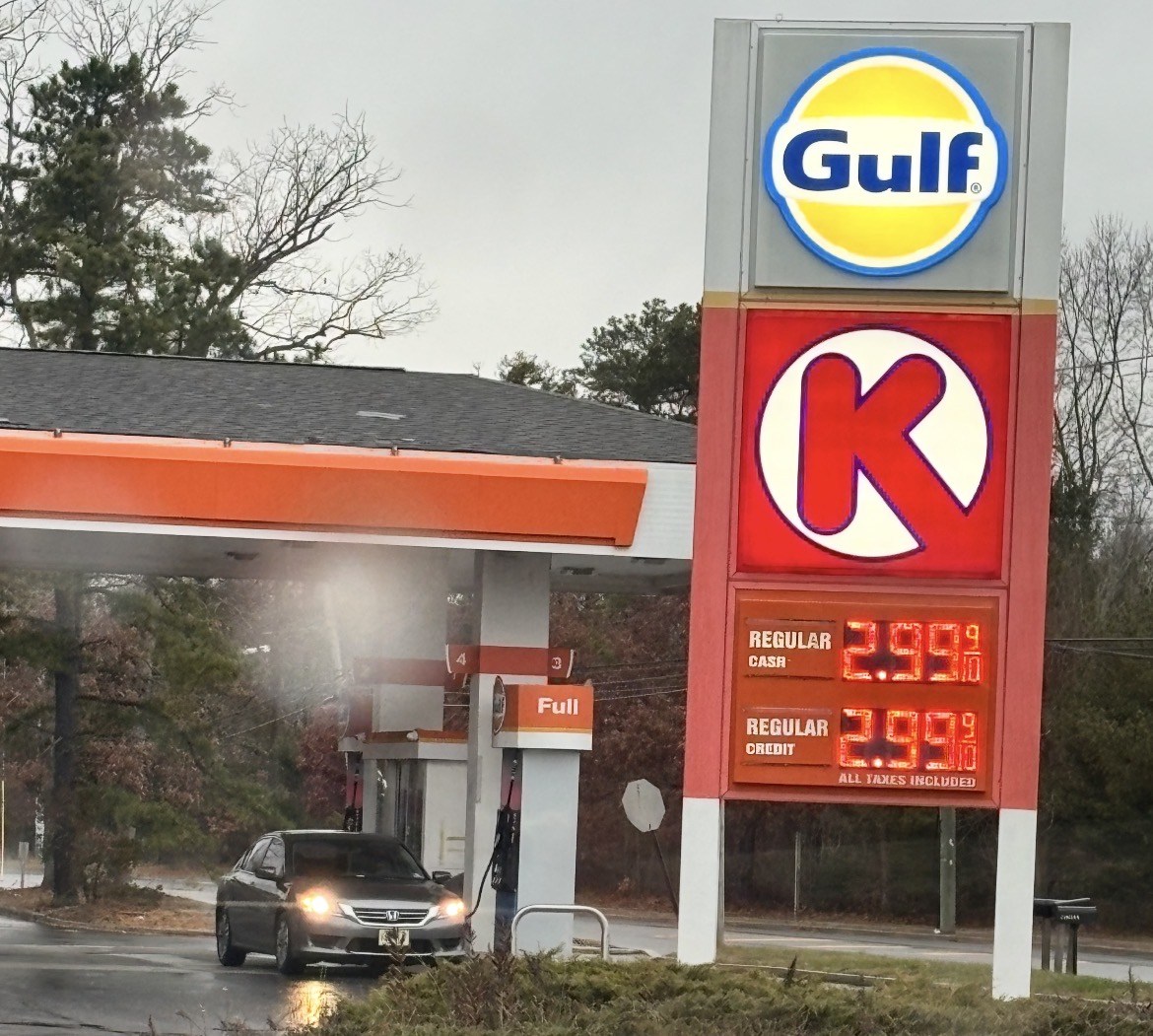
New Jersey’s gasoline tax is scheduled to increase significantly, elevating the state to the sixth highest gasoline tax in the United States by January 1, 2026. This increase of 4.2 cents per gallon will bring the total gasoline tax to 49.1 cents per gallon, while the diesel tax will rise to 56.1 cents per gallon. The decision follows a legislative move initiated by former Governor Chris Christie and supported by various state lawmakers.
The tax adjustments are part of a long-term strategy intended to fund infrastructure projects through the New Jersey Transportation Trust Fund. Originally, many residents believed they were voting for a one-time increase aimed at addressing immediate budgetary needs. Instead, the legislation permits the state to adjust gasoline taxes annually based on the Highway Fuel Cap, as set by state law. This means that state officials can raise the gasoline tax as they deem necessary, often citing funding shortages.
Residents expressed concerns over the transparency of this decision-making process. Many were unaware that by voting in favor of what was presented as a temporary measure, they were effectively granting the government the authority to increase the gasoline tax indefinitely. Critics argue that this approach undermines the trust between the government and its constituents.
The implications of this tax increase are significant for drivers and businesses alike. As fuel prices continue to fluctuate, New Jersey’s position among states with high gasoline taxes may complicate economic conditions for residents. Observers note that the increase could lead to higher costs for transportation services and consumer goods, impacting the state’s overall economic landscape.
As New Jersey transitions to this new tax structure, the government is expected to communicate more about how the funds will be utilized. Officials have stated that the revenue generated will primarily support critical infrastructure projects. However, skepticism remains among residents who feel misled by the process.
The upcoming changes in the gasoline tax highlight the ongoing debate regarding fiscal responsibility and transparency in state governance. With the increased burden on consumers, lawmakers will need to navigate public sentiment carefully as they implement these tax adjustments.

Philadelphia Parks Launch Free Earth Month Events Starting April 1

Bradford’s Fish Fry Fridays Serve Community with Delicious Dinners

Trump Faces Growing Challenges Amid Rising Tensions with Iran

Scientists Probe the Universe’s Missing Topological Defects

Samsung Galaxy Watch 9 to Feature Larger 435mAh Battery

UConn Huskies Aim to Defend Title in 2026 NCAA Women’s Tournament

U.S. Littoral Combat Ships Dock in Malaysia Amid Regional Tensions

Healthy Choice Wellness Reports Quarterly Earnings, Shares Rise

Urgent News: Charles M. Payment Passes Away at 78 in Duluth

University of Hawaiʻi Joins $25.6M AI Project to Enhance Disaster Monitoring

Major Grant Enhances Cancer Care and Research in Hawaiʻi

Joleen Chaney, Beloved Journalist, Passes Leaving Lasting Legacy

San Francisco’s SFO to Welcome 16 Airlines with Nonstop Flights to Europe in 2026

Goldman Sachs Unveils 2026 Catalyst Playbook for Biotech Investors

Discover Top Business Smartphones for Professionals in 2026

Urgent Update: Tom Aspinall’s Vision Deteriorates After UFC 321

Texas Roadhouse Honors Veterans with Free Meal Vouchers

CD Projekt Red Confirms No Release for The Witcher 4 in 2026
-
Science9 months ago
University of Hawaiʻi Joins $25.6M AI Project to Enhance Disaster Monitoring
-
 Health8 months ago
Major Grant Enhances Cancer Care and Research in Hawaiʻi
-
 Top Stories9 months ago
Joleen Chaney, Beloved Journalist, Passes Leaving Lasting Legacy
-
 World7 months ago
San Francisco’s SFO to Welcome 16 Airlines with Nonstop Flights to Europe in 2026
-
 Business8 months ago
Goldman Sachs Unveils 2026 Catalyst Playbook for Biotech Investors
-
 Business7 months ago
Discover Top Business Smartphones for Professionals in 2026
-
 Top Stories9 months ago
Urgent Update: Tom Aspinall’s Vision Deteriorates After UFC 321
-
 Lifestyle9 months ago
Texas Roadhouse Honors Veterans with Free Meal Vouchers
-
 Entertainment8 months ago
CD Projekt Red Confirms No Release for The Witcher 4 in 2026
-

 Top Stories10 months ago
AI Disruption: AWS Faces Threat as Startups Shift Cloud Focus
-

 Health10 months ago
MIT Scientists Uncover Surprising Genomic Loops During Cell Division
-

 Entertainment10 months ago
Discover the Full Map of Pokémon Legends: Z-A’s Lumiose City