
Health
Unmasking Hidden Sugars: Tips for Healthier Choices

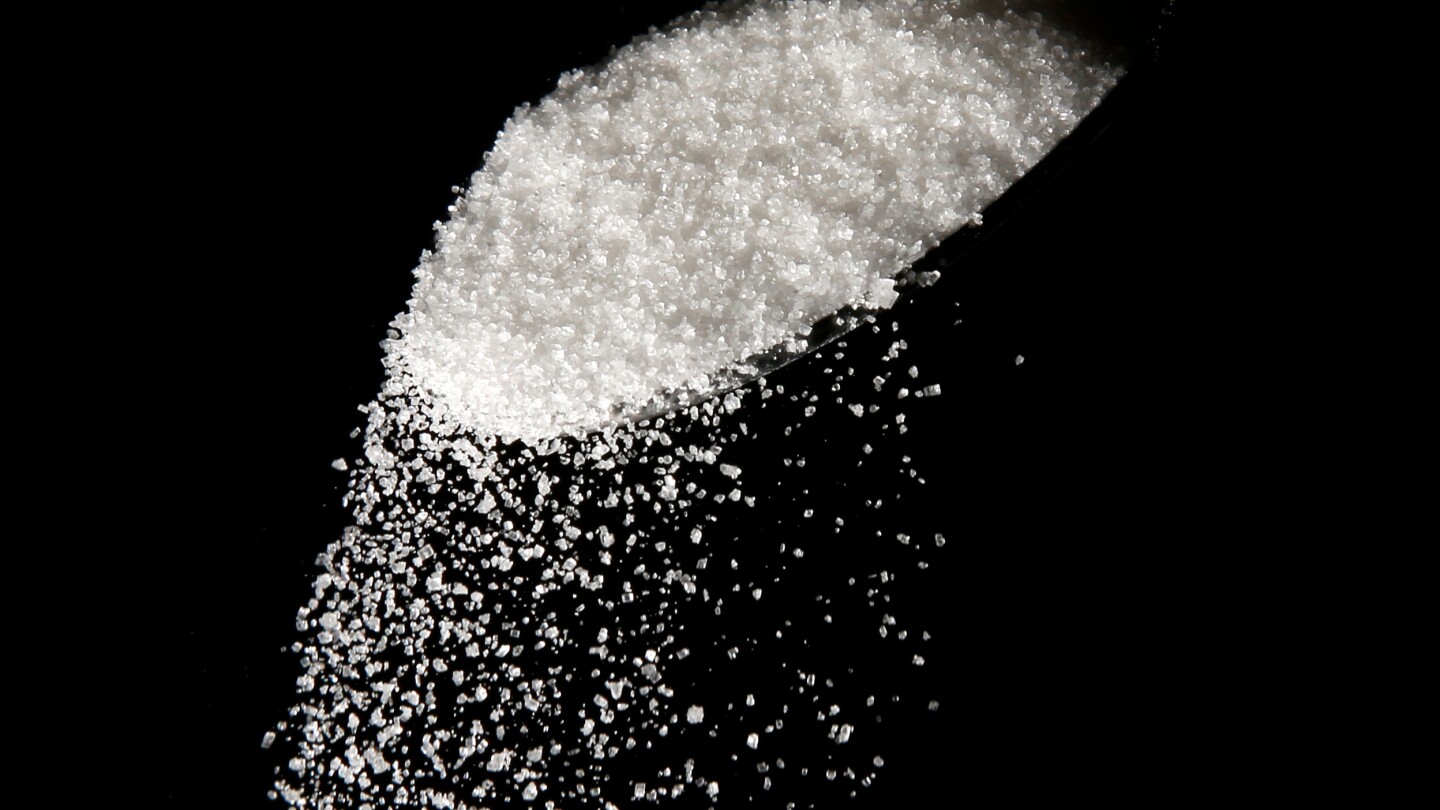
Consumers often take pride in making healthy choices at the grocery store, opting for products like “all natural” granola or low-fat yogurts “made with real fruit.” Yet, many of these seemingly wholesome options may be concealing significant amounts of added sugars. According to Nicole Avena, a professor of neuroscience and psychiatry at Mount Sinai Medical School and Princeton University, clever marketing tactics can make it challenging for shoppers to identify hidden sugars.
Avena emphasizes that while some health-oriented brands are becoming more aware of consumer concerns regarding added sugars, larger companies often prioritize profit over public health. As a result, shoppers must be vigilant when selecting food items, particularly those with enticing labels.
Understanding the Risks of Added Sugars
Excess sugar consumption is linked to various health risks, including heart disease, obesity, and diabetes. The American Heart Association reports that the average American consumes about 17 grams of added sugar daily, which amounts to approximately 57 pounds (or 26 kilograms) annually. A significant portion of this sugar comes from beverages, but it is also present in unexpected products such as cereals, sauces, and even whole-grain breads.
Since 2021, food manufacturers have been required to list added sugars separately from total sugar content on nutrition labels. This regulation was intended to provide clarity, but Avena notes that it may have backfired. Many brands replaced traditional sweeteners like refined beet sugar and high-fructose corn syrup with alternatives such as monk fruit and erythritol, which do not fall under the FDA’s definition of added sugars. Consequently, Avena argues that many products have become even sweeter since 2020.
Strategies for Reducing Sugar Intake
Collin Popp, a dietitian and professor at NYU Langone Health, suggests that the FDA’s current guidelines allow for a significant intake of added sugars. They recommend that no more than 10% of total daily calories should come from added sugars. For an average diet of 2,000 calories, this equates to about 50 grams, slightly more than what is found in a standard can of soda. However, Popp believes that this limit should ideally be reduced to 5%, particularly for individuals with diabetes or prediabetes.
Being mindful of food choices is crucial, even when products are marketed as healthy. For instance, seemingly innocuous items like roasted nuts, plant-based milks, and Greek yogurt can contain surprising amounts of added sugars. A notable example is a single serving of Chobani black cherry yogurt, which contains 9 grams of added sugar—equivalent to more than 2 teaspoons. Additionally, Silk brand almond milk has 7 grams of sugar per cup.
Popp recommends taking control of sugar consumption by choosing plain yogurt and adding fresh fruit or honey instead. Similarly, coffee drinkers might consider bringing their own oat milk to avoid the added sugars often found in coffee shop offerings.
Artificial sweeteners, such as stevia and sugar alcohols, may reduce calorie intake but can lead to overeating. Avena explains that research indicates sweet flavors stimulate the brain’s reward center, regardless of whether they come from sugar or artificial substitutes. While some alternatives, like allulose, may benefit individuals with Type 1 diabetes, Avena stresses that minimizing overall sweetness in food is vital for better health.
In summary, consumers are encouraged not to let food companies dictate their sugar intake. By being informed and vigilant, shoppers can make healthier choices and safeguard their well-being.

Philadelphia Parks Launch Free Earth Month Events Starting April 1

Bradford’s Fish Fry Fridays Serve Community with Delicious Dinners

Trump Faces Growing Challenges Amid Rising Tensions with Iran

Scientists Probe the Universe’s Missing Topological Defects

Samsung Galaxy Watch 9 to Feature Larger 435mAh Battery

UConn Huskies Aim to Defend Title in 2026 NCAA Women’s Tournament

U.S. Littoral Combat Ships Dock in Malaysia Amid Regional Tensions

Healthy Choice Wellness Reports Quarterly Earnings, Shares Rise

Urgent News: Charles M. Payment Passes Away at 78 in Duluth

University of Hawaiʻi Joins $25.6M AI Project to Enhance Disaster Monitoring

Major Grant Enhances Cancer Care and Research in Hawaiʻi

Joleen Chaney, Beloved Journalist, Passes Leaving Lasting Legacy

San Francisco’s SFO to Welcome 16 Airlines with Nonstop Flights to Europe in 2026

Goldman Sachs Unveils 2026 Catalyst Playbook for Biotech Investors

Discover Top Business Smartphones for Professionals in 2026

Urgent Update: Tom Aspinall’s Vision Deteriorates After UFC 321

Texas Roadhouse Honors Veterans with Free Meal Vouchers

CD Projekt Red Confirms No Release for The Witcher 4 in 2026
-
Science9 months ago
University of Hawaiʻi Joins $25.6M AI Project to Enhance Disaster Monitoring
-
 Health8 months ago
Major Grant Enhances Cancer Care and Research in Hawaiʻi
-
 Top Stories9 months ago
Joleen Chaney, Beloved Journalist, Passes Leaving Lasting Legacy
-
 World7 months ago
San Francisco’s SFO to Welcome 16 Airlines with Nonstop Flights to Europe in 2026
-
 Business8 months ago
Goldman Sachs Unveils 2026 Catalyst Playbook for Biotech Investors
-
 Business8 months ago
Discover Top Business Smartphones for Professionals in 2026
-
 Top Stories10 months ago
Urgent Update: Tom Aspinall’s Vision Deteriorates After UFC 321
-
 Lifestyle9 months ago
Texas Roadhouse Honors Veterans with Free Meal Vouchers
-
 Entertainment8 months ago
CD Projekt Red Confirms No Release for The Witcher 4 in 2026
-

 Top Stories10 months ago
AI Disruption: AWS Faces Threat as Startups Shift Cloud Focus
-

 Health10 months ago
MIT Scientists Uncover Surprising Genomic Loops During Cell Division
-

 Entertainment10 months ago
Discover the Full Map of Pokémon Legends: Z-A’s Lumiose City