
Business
Democrats Invest Heavily in Rural Outreach Amid Political Hurdles

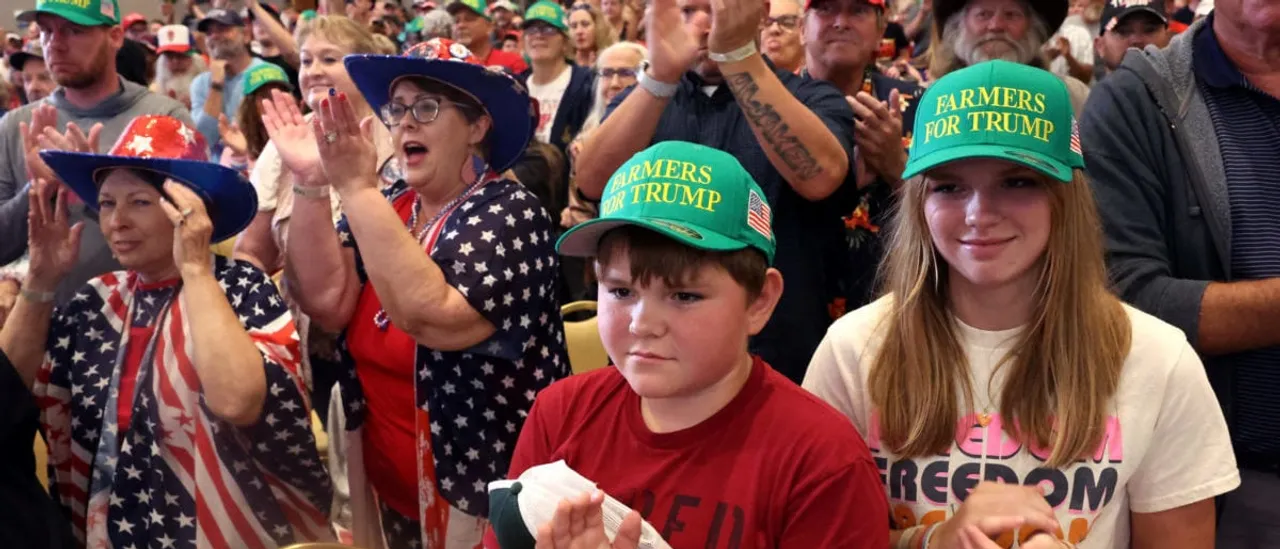
Democrats are mobilizing significant resources to expand their influence in traditionally Republican rural areas, propelled by a sense of optimism following recent electoral victories. The Democratic Congressional Campaign Committee (DCCC) has announced an extensive investment into a dedicated rural outreach program, allocating eight figures to support staff hires, voter mobilization efforts, and targeted advertising aimed at disillusioned farmers. This strategy comes as party leaders believe they can leverage perceived discontent among rural voters stemming from President Donald Trump’s policies, particularly tariffs and trade reforms.
The DCCC’s initiative is partially inspired by the success of Virginia’s Governor-elect Abigail Spanberger, who managed to capture 46 percent of rural votes in her recent election, outperforming Vice President Kamala Harris in many rural localities. Spanberger’s campaign focused on affordability and the impact of Trump’s tariffs, highlighting a potential opening for Democrats in areas they have historically struggled to penetrate. Representative Nikki Budzinski of Illinois expressed this sentiment, stating, “We have a unique opening because of all that’s happening with this administration,” indicating a belief that rural voters might be more receptive than in previous years.
Despite this optimism, many political analysts caution that the Democratic Party may be overestimating its chances in rural America. The political landscape in Virginia differs considerably from deeper Republican strongholds in the Midwest and Great Plains, where decades of perceived neglect have entrenched skepticism towards Democratic candidates. Notably, Democrats recently lost a significant opportunity in Tennessee, where Republican candidate Matt Van Epps defeated Democratic challenger Aftyn Behn by a margin of nine points in a district historically dominated by GOP candidates. This outcome serves as a stark reminder of the challenges Democrats face when attempting to gain traction in rural regions.
Challenges of Rural Engagement
Analysis by political experts, including insights from the book “The Rural Voter: The Politics of Place and the Disuniting of America” by Nicholas Jacobs and Daniel Shea, emphasizes that the perception of Democratic indifference is deeply rooted among rural constituents. These voters have long felt neglected by the party, especially following trade agreements like the North American Free Trade Agreement (NAFTA), which they believe have harmed local economies and agricultural livelihoods.
The potential for Democrats to reclaim support in these areas hinges on their ability to demonstrate genuine commitment and sustained engagement rather than occasional advertising campaigns. As rural communities demand to be seen and heard, party leaders must rethink their strategies to build trust and rapport with constituents who feel marginalized by urban-centric policies.
Furthermore, the opportunity cost of redirecting substantial funds into rural outreach is considerable. Midterm elections typically favor the opposing party, and Democrats must allocate resources effectively to capitalize on competitive suburban and urban areas where they have a greater chance of increasing voter turnout. The current strategy, which aims to chip away at Trump’s substantial margins in rural districts, risks diluting efforts in more promising locales.
Democrats acknowledge that rural communities are unlikely to serve as a gold mine of votes, merely aiming to reduce Trump’s dominance in these regions. Critics argue that the focus on rural outreach is more about maintaining donor engagement than about securing tangible electoral gains. This approach may provide a temporary narrative of hope but could spread the party’s resources too thin, especially as they recover from the challenges faced in the 2024 elections.
Republican Response and Future Implications
In light of these developments, Republicans are advised to remain vigilant in supporting rural America, as complacency previously allowed the GOP to attract blue-collar voters who had historically aligned with the Democratic Party. For the Republican Party, delivering tangible results to their rural base is crucial to maintaining their stronghold in these areas.
As both parties navigate the complexities of rural engagement, the outcome will significantly influence the political landscape leading up to the next elections. For Democrats, the challenge lies in balancing their outreach efforts with the need to strengthen their presence in urban and suburban districts, ensuring that they do not overlook opportunities that could yield more substantial electoral rewards.

Philadelphia Parks Launch Free Earth Month Events Starting April 1

Bradford’s Fish Fry Fridays Serve Community with Delicious Dinners

Trump Faces Growing Challenges Amid Rising Tensions with Iran

Scientists Probe the Universe’s Missing Topological Defects

Samsung Galaxy Watch 9 to Feature Larger 435mAh Battery

UConn Huskies Aim to Defend Title in 2026 NCAA Women’s Tournament

U.S. Littoral Combat Ships Dock in Malaysia Amid Regional Tensions

Healthy Choice Wellness Reports Quarterly Earnings, Shares Rise

Urgent News: Charles M. Payment Passes Away at 78 in Duluth

University of Hawaiʻi Joins $25.6M AI Project to Enhance Disaster Monitoring

Major Grant Enhances Cancer Care and Research in Hawaiʻi

Joleen Chaney, Beloved Journalist, Passes Leaving Lasting Legacy

San Francisco’s SFO to Welcome 16 Airlines with Nonstop Flights to Europe in 2026

Goldman Sachs Unveils 2026 Catalyst Playbook for Biotech Investors

Discover Top Business Smartphones for Professionals in 2026

Urgent Update: Tom Aspinall’s Vision Deteriorates After UFC 321

Texas Roadhouse Honors Veterans with Free Meal Vouchers

CD Projekt Red Confirms No Release for The Witcher 4 in 2026
-
Science9 months ago
University of Hawaiʻi Joins $25.6M AI Project to Enhance Disaster Monitoring
-
 Health8 months ago
Major Grant Enhances Cancer Care and Research in Hawaiʻi
-
 Top Stories9 months ago
Joleen Chaney, Beloved Journalist, Passes Leaving Lasting Legacy
-
 World7 months ago
San Francisco’s SFO to Welcome 16 Airlines with Nonstop Flights to Europe in 2026
-
 Business8 months ago
Goldman Sachs Unveils 2026 Catalyst Playbook for Biotech Investors
-
 Business8 months ago
Discover Top Business Smartphones for Professionals in 2026
-
 Top Stories10 months ago
Urgent Update: Tom Aspinall’s Vision Deteriorates After UFC 321
-
 Lifestyle9 months ago
Texas Roadhouse Honors Veterans with Free Meal Vouchers
-
 Entertainment8 months ago
CD Projekt Red Confirms No Release for The Witcher 4 in 2026
-

 Top Stories10 months ago
AI Disruption: AWS Faces Threat as Startups Shift Cloud Focus
-

 Health10 months ago
MIT Scientists Uncover Surprising Genomic Loops During Cell Division
-

 Entertainment10 months ago
Discover the Full Map of Pokémon Legends: Z-A’s Lumiose City