
Sports
NFL 2025 Season: Key Trends Reshape Offensive and Defensive Strategies

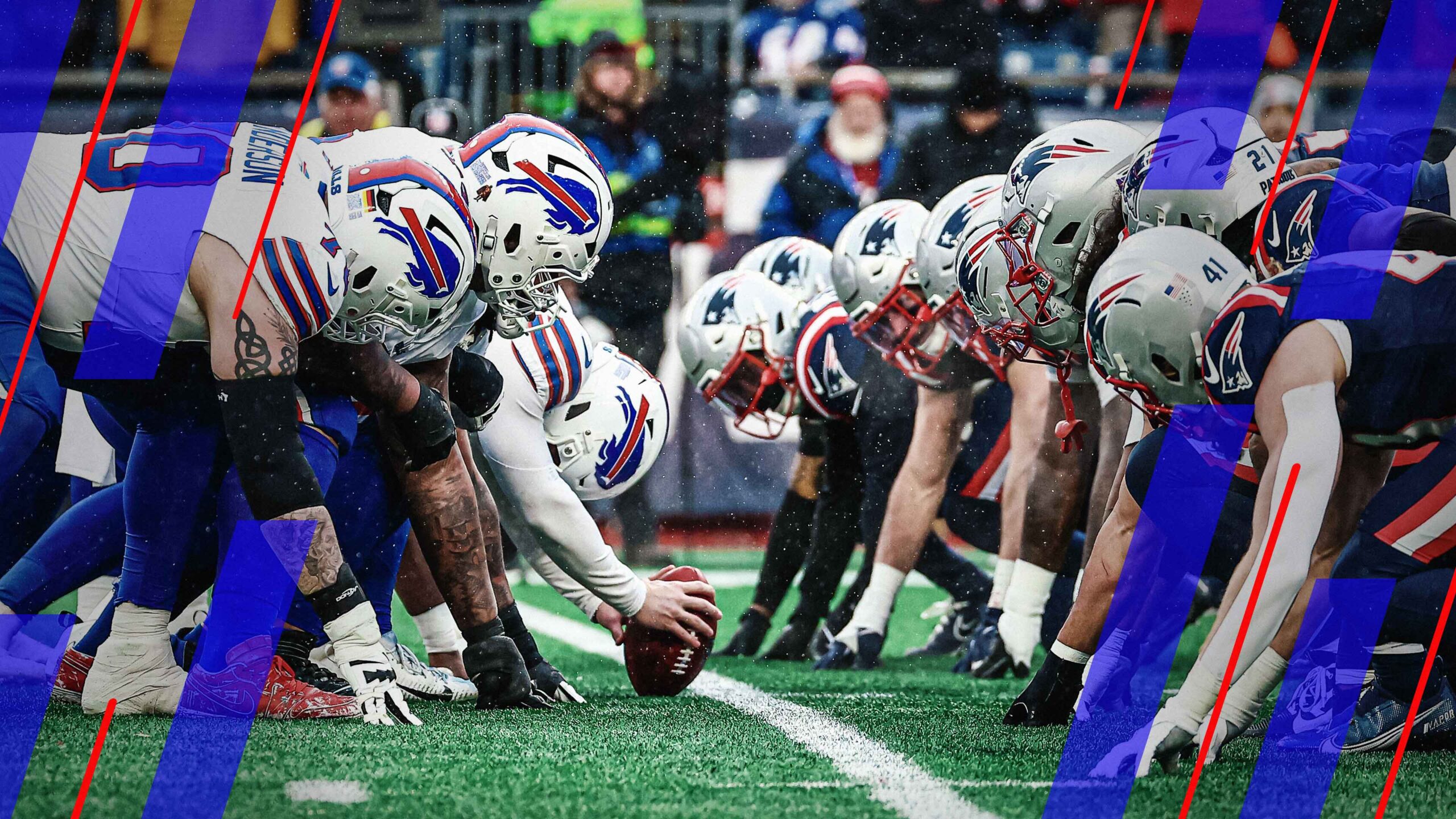
The NFL’s 2025 season has ushered in notable shifts in both offensive and defensive strategies, with a marked increase in base personnel usage and a growing reliance on quarters coverages. This evolution reflects a response to the league’s changing dynamics, where size and structure increasingly dominate play-calling decisions.
Resurgence of Base Personnel
Base defensive personnel usage has experienced a significant rise, climbing from 23.5% of total plays last season to 29.6% this year. While this may seem modest, it signifies a critical shift after years of declining reliance on traditional defensive setups. The increase is largely attributed to offenses employing larger, heavier formations, such as the use of multiple tight ends and additional linemen.
Teams like the Detroit Lions have embraced this approach, with a remarkable 82.3% of first-down plays featuring base personnel, driven by linebacker Jack Campbell’s standout performance. This trend is particularly evident in the NFC North, where the Lions, Packers, and Vikings are among the leaders in base personnel usage, adapting their strategies to counteract the league’s evolving offensive schemes.
Growth of Quarters Coverages
On the defensive front, the principle of “limiting explosive plays” has become more than just a catchphrase; it now informs coverage strategies across the league. Quarters coverages, particularly Cover-4 and Cover-6, have gained traction, accounting for approximately 25% of all coverages on passing plays this season. This increase, albeit modest at around three percentage points from last year, continues a decade-long trend that has integrated these concepts into core defensive frameworks.
Teams poised for playoff contention, such as the Los Angeles Chargers and Philadelphia Eagles, are leading this charge. The influence of defensive coordinator Vic Fangio in Philadelphia is noteworthy, with Cover-6 being utilized on more than 20% of passing snaps, effectively countering downfield attacks.
The decline of man-to-man coverage has been pronounced, with its usage dropping to 22.6%, the lowest in recent years. This reduction correlates with the rise of base personnel, as defenses favor zone concepts to prevent mismatches against faster offensive players. Notably, the Cleveland Browns, led by coach Jim Schwartz, stand out by maintaining the highest rate of man coverage at 45.1%.
Decline of RPO and Rise of Pre-Snap Motion
Offensively, the run-pass option (RPO) has seen a continued decline, now comprising just 8.1% of plays, marking its lowest usage since 2019. As defenses adapt, the initial surprise and efficiency that RPOs provided have waned. Conversely, RPOs remain a robust component at the collegiate level, representing 23% of offensive plays, highlighting the disparity between college and professional strategies.
In contrast, pre-snap motion has solidified its role in NFL offenses, now employed on 64.0% of plays. This represents a steady increase from 61.5% last season, indicating a consensus among teams to utilize motion for strategic advantages. The New York Giants are the only outlier, as every other team has integrated motion into at least half of their plays.
Overall, the 2025 season showcases an NFL that is evolving through nuanced adjustments rather than sweeping changes. Offenses are leveraging size to exploit lighter defensive personnel, while defenses are adapting by emphasizing coverage schemes that prioritize limiting explosive plays. The increasing sophistication of pre-snap motion continues to provide offensive teams with an edge, revealing defensive intentions and coverage alignments.
As the league progresses, teams that successfully tailor these trends to their unique rosters and playing styles will likely find themselves at the forefront of future successes, shaping the next era of NFL football.

Philadelphia Parks Launch Free Earth Month Events Starting April 1

Bradford’s Fish Fry Fridays Serve Community with Delicious Dinners

Trump Faces Growing Challenges Amid Rising Tensions with Iran

Scientists Probe the Universe’s Missing Topological Defects

Samsung Galaxy Watch 9 to Feature Larger 435mAh Battery

UConn Huskies Aim to Defend Title in 2026 NCAA Women’s Tournament

U.S. Littoral Combat Ships Dock in Malaysia Amid Regional Tensions

Healthy Choice Wellness Reports Quarterly Earnings, Shares Rise

Urgent News: Charles M. Payment Passes Away at 78 in Duluth

University of Hawaiʻi Joins $25.6M AI Project to Enhance Disaster Monitoring

Major Grant Enhances Cancer Care and Research in Hawaiʻi

Joleen Chaney, Beloved Journalist, Passes Leaving Lasting Legacy

San Francisco’s SFO to Welcome 16 Airlines with Nonstop Flights to Europe in 2026

Goldman Sachs Unveils 2026 Catalyst Playbook for Biotech Investors

Discover Top Business Smartphones for Professionals in 2026

Urgent Update: Tom Aspinall’s Vision Deteriorates After UFC 321

Texas Roadhouse Honors Veterans with Free Meal Vouchers

CD Projekt Red Confirms No Release for The Witcher 4 in 2026
-
Science9 months ago
University of Hawaiʻi Joins $25.6M AI Project to Enhance Disaster Monitoring
-
 Health8 months ago
Major Grant Enhances Cancer Care and Research in Hawaiʻi
-
 Top Stories9 months ago
Joleen Chaney, Beloved Journalist, Passes Leaving Lasting Legacy
-
 World7 months ago
San Francisco’s SFO to Welcome 16 Airlines with Nonstop Flights to Europe in 2026
-
 Business8 months ago
Goldman Sachs Unveils 2026 Catalyst Playbook for Biotech Investors
-
 Business7 months ago
Discover Top Business Smartphones for Professionals in 2026
-
 Top Stories9 months ago
Urgent Update: Tom Aspinall’s Vision Deteriorates After UFC 321
-
 Lifestyle9 months ago
Texas Roadhouse Honors Veterans with Free Meal Vouchers
-
 Entertainment8 months ago
CD Projekt Red Confirms No Release for The Witcher 4 in 2026
-

 Top Stories10 months ago
AI Disruption: AWS Faces Threat as Startups Shift Cloud Focus
-

 Health10 months ago
MIT Scientists Uncover Surprising Genomic Loops During Cell Division
-

 Entertainment10 months ago
Discover the Full Map of Pokémon Legends: Z-A’s Lumiose City