
Politics
Rubio Clarifies U.S. Role in Venezuela After Maduro’s Capture

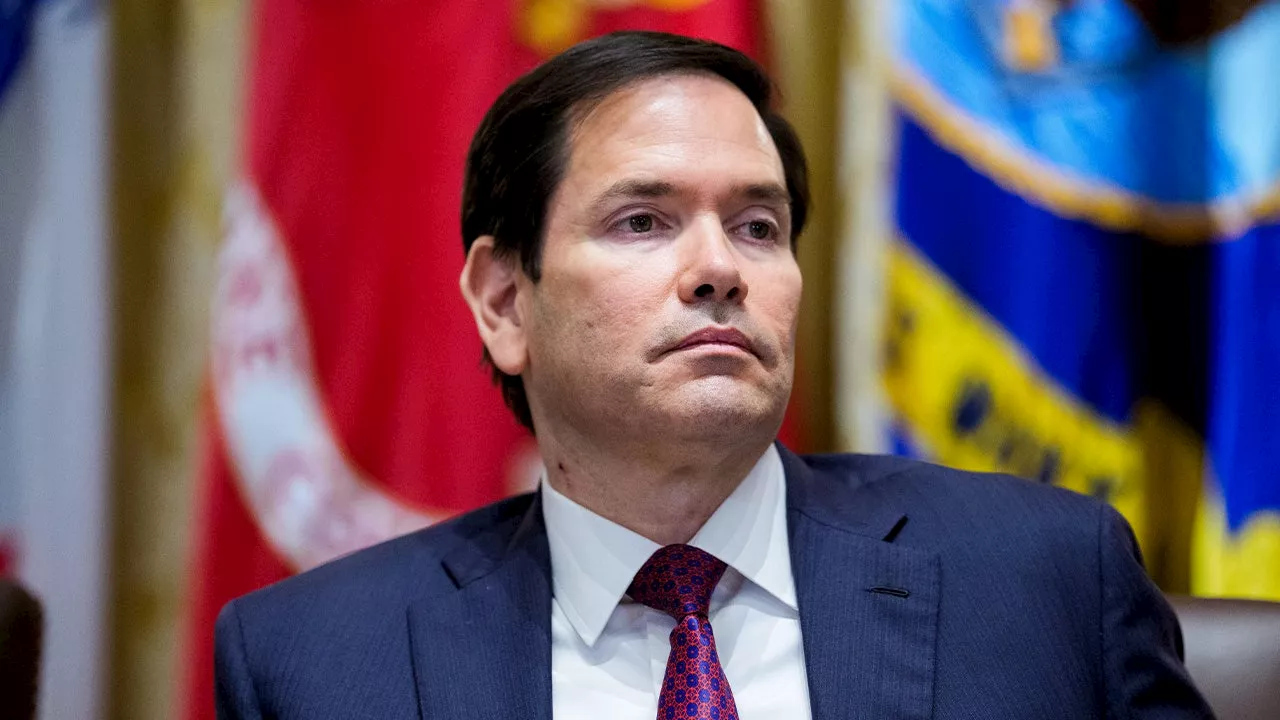
Secretary of State Marco Rubio addressed concerns regarding the United States’ involvement in Venezuela during a recent interview on ABC’s “This Week.” His comments followed the capture of Venezuelan President Nicolás Maduro, prompting inquiries about the legal authority and nature of U.S. intervention in the country.
The discussion, hosted by George Stephanopoulos, revolved around President Donald Trump’s assertion that the U.S. would “run the country” until a stable transition of power could be established. Rubio faced persistent questioning about the implications of this statement, particularly regarding the legal frameworks guiding U.S. actions in Venezuela.
Rubio emphasized the economic strategies being employed to influence Venezuela’s trajectory. He discussed the quarantine on Venezuelan oil as a crucial measure in applying pressure to dismantle the nation’s role as a hub for narco-trafficking. He highlighted the U.S. commitment to fostering a future free from such activities, which he described as critical for the well-being of Venezuelans.
In response to Stephanopoulos’ probing questions, Rubio underscored the importance of legal mechanisms in enforcing sanctions. He mentioned the use of court orders and sanctioned vessels as vital tools in the U.S. strategy, demonstrating a structured approach to economic intervention. These actions, he argued, are essential for creating conditions conducive to democratic change in Venezuela.
Rubio expressed skepticism about the legitimacy of the Maduro regime, referencing the broader international community’s perspective on the matter. He conveyed optimism regarding the potential for new leadership to emerge through a transitional phase and subsequent elections. This vision included a significant transformation of Venezuela, departing from the political environment that has characterized the nation for the past fifteen years.
The interview also touched on the U.S. Coast Guard’s involvement in law enforcement operations related to Venezuela. Rubio reiterated that while the U.S. remains engaged in these efforts, it does not constitute direct governance of the country. Instead, he stated that the focus lies in leveraging influence to guide Venezuela toward a more stable future.
Rubio’s remarks highlighted the complexities surrounding U.S. policy in Venezuela, navigating legal, political, and economic dimensions. The interview served as a platform for him to clearly articulate the administration’s objectives and demonstrate the methods employed to achieve them. The dialogue revealed the challenges of addressing legal authority while striving for strategic ambitions in the region.
In summary, Rubio’s defense of U.S. actions in Venezuela illustrated the administration’s commitment to addressing drug trafficking and promoting democratic governance. His emphasis on legal frameworks and economic leverage underscores the multifaceted approach being taken in response to the ongoing crisis. The evolving situation in Venezuela continues to attract international attention, with implications for U.S. foreign policy and regional stability.

Philadelphia Parks Launch Free Earth Month Events Starting April 1

Bradford’s Fish Fry Fridays Serve Community with Delicious Dinners

Trump Faces Growing Challenges Amid Rising Tensions with Iran

Scientists Probe the Universe’s Missing Topological Defects

Samsung Galaxy Watch 9 to Feature Larger 435mAh Battery

UConn Huskies Aim to Defend Title in 2026 NCAA Women’s Tournament

U.S. Littoral Combat Ships Dock in Malaysia Amid Regional Tensions

Healthy Choice Wellness Reports Quarterly Earnings, Shares Rise

Urgent News: Charles M. Payment Passes Away at 78 in Duluth

University of Hawaiʻi Joins $25.6M AI Project to Enhance Disaster Monitoring

Major Grant Enhances Cancer Care and Research in Hawaiʻi

Joleen Chaney, Beloved Journalist, Passes Leaving Lasting Legacy

San Francisco’s SFO to Welcome 16 Airlines with Nonstop Flights to Europe in 2026

Goldman Sachs Unveils 2026 Catalyst Playbook for Biotech Investors

Discover Top Business Smartphones for Professionals in 2026

Urgent Update: Tom Aspinall’s Vision Deteriorates After UFC 321

Texas Roadhouse Honors Veterans with Free Meal Vouchers

CD Projekt Red Confirms No Release for The Witcher 4 in 2026
-
Science9 months ago
University of Hawaiʻi Joins $25.6M AI Project to Enhance Disaster Monitoring
-
 Health8 months ago
Major Grant Enhances Cancer Care and Research in Hawaiʻi
-
 Top Stories9 months ago
Joleen Chaney, Beloved Journalist, Passes Leaving Lasting Legacy
-
 World7 months ago
San Francisco’s SFO to Welcome 16 Airlines with Nonstop Flights to Europe in 2026
-
 Business8 months ago
Goldman Sachs Unveils 2026 Catalyst Playbook for Biotech Investors
-
 Business8 months ago
Discover Top Business Smartphones for Professionals in 2026
-
 Top Stories10 months ago
Urgent Update: Tom Aspinall’s Vision Deteriorates After UFC 321
-
 Lifestyle9 months ago
Texas Roadhouse Honors Veterans with Free Meal Vouchers
-
 Entertainment8 months ago
CD Projekt Red Confirms No Release for The Witcher 4 in 2026
-

 Top Stories10 months ago
AI Disruption: AWS Faces Threat as Startups Shift Cloud Focus
-

 Health10 months ago
MIT Scientists Uncover Surprising Genomic Loops During Cell Division
-

 Entertainment10 months ago
Discover the Full Map of Pokémon Legends: Z-A’s Lumiose City