
Business
Data Centers to Extend Fossil Fuel Use, Says NorthWestern Energy CEO

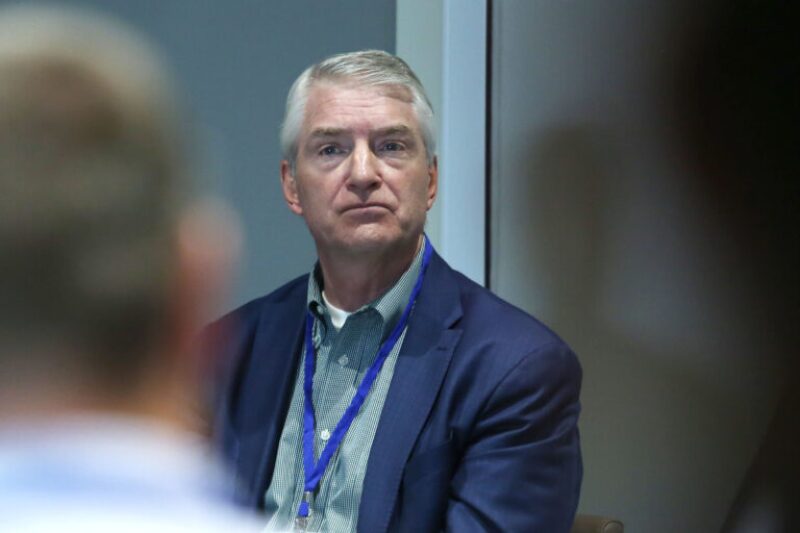
The increasing demand for data centers is set to prolong the reliance on fossil fuels, according to Brian Bird, President and CEO of NorthWestern Energy. Speaking to the Downtown Sioux Falls Rotary Club, Bird highlighted that these energy-intensive facilities will necessitate the continued operation and construction of fossil-fuel power plants.
Bird acknowledged the environmental concerns linked to data centers, yet he framed them as an opportunity for utilities that have faced stagnant electricity demand in recent years. He explained that these large-scale facilities, often covering 100 to 1,000 acres, are now vital for processing data for artificial intelligence and cryptocurrency applications. Notably, such data centers can consume up to 1,000 megawatts of electricity, equivalent to the needs of approximately 800,000 residential customers.
Currently, South Dakota’s largest data center consumes about 30 megawatts, but proposals for larger facilities are underway. Data centers account for 4.4% of annual electricity consumption in the United States, a figure projected to triple by the end of the decade, according to a report from the Congressional Research Service.
NorthWestern Energy’s Growth Strategy
Based in Sioux Falls, NorthWestern Energy supplies natural gas and electricity across the western two-thirds of Montana and eastern South Dakota, with additional services in Nebraska and support for Yellowstone National Park. The company is currently undergoing a merger with Black Hills Energy, partly to address the rising demand driven by data centers.
Bird emphasized that meeting the energy needs of these facilities will primarily require power from coal and natural gas plants, as opposed to intermittent sources like wind and solar. He noted that while battery storage technologies can help meet short-term demands, they do not effectively address reliability issues, particularly during extreme cold temperatures when demand surges. Current industrial-scale batteries offer only about four hours of storage capacity.
The discussion also hinted at a potential shift towards nuclear power, which is not presently available in South Dakota. Bird suggested that advancements in battery technology, particularly if they achieve around 100 hours of storage capacity, could alter the energy landscape, potentially reducing the appeal of nuclear power.
Economic Implications for South Dakota
Following the meeting, Bird conveyed to South Dakota Searchlight that the demand for data centers is likely to be fulfilled regardless of whether South Dakota accommodates them. This trend indicates an inevitable increase in fossil fuel consumption, with the possibility that facilities could be established in countries with less stringent environmental regulations.
Bird urged state leaders to capitalize on the benefits that data centers could bring, including job creation and significant revenue through electricity sales taxes and property taxes. He raised concerns about a recent defeat of a bill in the state House Committee that aimed to provide sales tax exemptions for data center developers, stating that such exemptions are crucial for attracting investment. A proposed data center in Deuel County estimated that the failed legislation could have saved them approximately $500 million in sales tax relief for hardware and software updates.
In addition to data center discussions, Bird touched upon a pending state bill that would offer wildfire liability protection to utilities, contingent on their filing of a wildfire mitigation plan. This legislation, recently passed in the state Senate with a vote of 29-4, requires utilities to identify high-risk areas and develop strategies for managing vegetation and coordinating with wildfire agencies.
Bird underscored the importance of addressing wildfire risks, which have financial implications for utility customers. A report from the U.S. Department of the Treasury highlighted that homeowners in high-risk areas are paying significantly more for insurance coverage, with those in the most vulnerable 20% of ZIP codes facing costs that are 82% higher than those in the lowest-risk regions.
As the legislative processes unfold, the implications of data center growth, fossil fuel reliance, and wildfire risk management will continue to be critical topics for South Dakota’s energy future.

Philadelphia Parks Launch Free Earth Month Events Starting April 1

Bradford’s Fish Fry Fridays Serve Community with Delicious Dinners

Trump Faces Growing Challenges Amid Rising Tensions with Iran

Scientists Probe the Universe’s Missing Topological Defects

Samsung Galaxy Watch 9 to Feature Larger 435mAh Battery

UConn Huskies Aim to Defend Title in 2026 NCAA Women’s Tournament

U.S. Littoral Combat Ships Dock in Malaysia Amid Regional Tensions

Healthy Choice Wellness Reports Quarterly Earnings, Shares Rise

Urgent News: Charles M. Payment Passes Away at 78 in Duluth

University of Hawaiʻi Joins $25.6M AI Project to Enhance Disaster Monitoring

Major Grant Enhances Cancer Care and Research in Hawaiʻi

Joleen Chaney, Beloved Journalist, Passes Leaving Lasting Legacy

San Francisco’s SFO to Welcome 16 Airlines with Nonstop Flights to Europe in 2026

Goldman Sachs Unveils 2026 Catalyst Playbook for Biotech Investors

Discover Top Business Smartphones for Professionals in 2026

Urgent Update: Tom Aspinall’s Vision Deteriorates After UFC 321

Texas Roadhouse Honors Veterans with Free Meal Vouchers

CD Projekt Red Confirms No Release for The Witcher 4 in 2026
-
Science9 months ago
University of Hawaiʻi Joins $25.6M AI Project to Enhance Disaster Monitoring
-
 Health8 months ago
Major Grant Enhances Cancer Care and Research in Hawaiʻi
-
 Top Stories9 months ago
Joleen Chaney, Beloved Journalist, Passes Leaving Lasting Legacy
-
 World7 months ago
San Francisco’s SFO to Welcome 16 Airlines with Nonstop Flights to Europe in 2026
-
 Business8 months ago
Goldman Sachs Unveils 2026 Catalyst Playbook for Biotech Investors
-
 Business7 months ago
Discover Top Business Smartphones for Professionals in 2026
-
 Top Stories9 months ago
Urgent Update: Tom Aspinall’s Vision Deteriorates After UFC 321
-
 Lifestyle9 months ago
Texas Roadhouse Honors Veterans with Free Meal Vouchers
-
 Entertainment8 months ago
CD Projekt Red Confirms No Release for The Witcher 4 in 2026
-

 Top Stories10 months ago
AI Disruption: AWS Faces Threat as Startups Shift Cloud Focus
-

 Health10 months ago
MIT Scientists Uncover Surprising Genomic Loops During Cell Division
-

 Entertainment10 months ago
Discover the Full Map of Pokémon Legends: Z-A’s Lumiose City