
Lifestyle
Understanding Presidents Day: History and Significance Explained

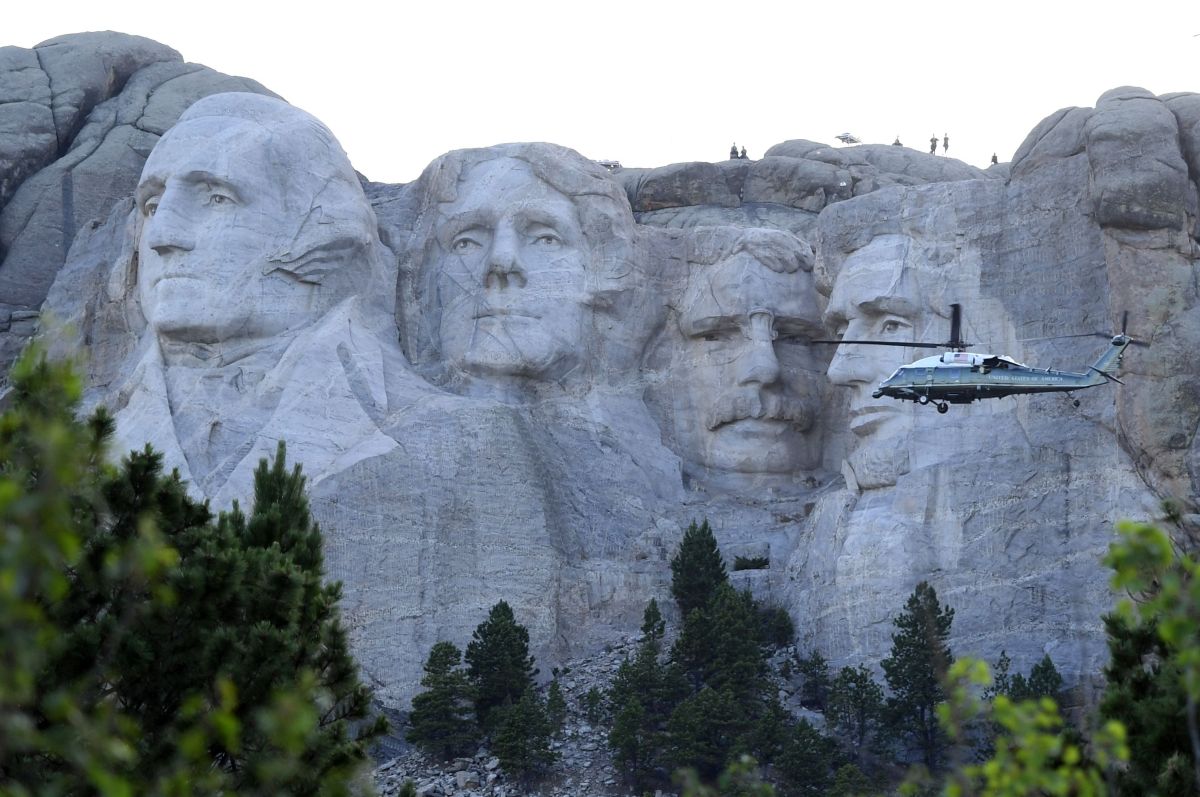
Presidents Day, observed on the third Monday of February, is a federal holiday that honors the legacy of the United States’ first president, George Washington. In 2024, this holiday will fall on February 19. Many government offices close on federal holidays, and some private businesses may also choose to shut their doors. According to USA.gov, federal employees receive pay for this day and often enjoy time off.
The origins of Presidents Day date back to the late 19th century, when the holiday was established to commemorate Washington’s birth on February 22, 1732. However, in 1971, the holiday was officially moved to the third Monday of February. This change positioned it between the birthdays of Washington and Abraham Lincoln, which led to the popular name “Presidents Day.” While Congress has never formally recognized this name change, it has become widely adopted in public discourse, including calendars and advertising, as noted by the U.S. National Archives and Records Administration.
Historical Context of Presidents Day
The establishment of Washington’s Birthday as a federal holiday began in 1879 when the 45th Congress recognized February 22 as a significant date worthy of celebration. As stated in a 2004 article from Prologue, a magazine published by the National Archives, the proposal to make it an official holiday encountered little debate. This acknowledgment formalized an unofficial celebration that had existed long before Washington’s death.
In the wake of the national centennial celebration of 1876, a renewed sense of patriotism emerged, culminating in a centennial observance of Washington’s death in 1899. Senator Steven Wallace Dorsey from Arkansas proposed to include Washington’s birthday among the four existing bank holidays, which were New Year’s Day, Independence Day, Thanksgiving, and Christmas. This move aimed to address the issue of federal employee absenteeism on significant dates.
President Rutherford B. Hayes signed Washington’s Birthday into law on January 31, 1879. Initially, this designation applied only to federal workers in Washington, D.C., but by 1885, it was extended nationwide.
Modern Observance and Changes
By the late 1960s, lawmakers recognized the need to reform the federal holiday system. This effort was motivated by the belief that redesigning the holiday calendar would minimize absenteeism among government employees. Washington’s Birthday was one of nine federal holidays that were celebrated on specific dates, often resulting in inconsistent observance throughout the week.
The introduction of the Uniform Monday Holiday Law in 1971 changed the date of this federal holiday, moving it to the third Monday in February. This adjustment not only unified the holiday schedule but also aligned it with the birthdays of both Washington and Lincoln, fostering a broader recognition of U.S. presidents.
Today, Presidents Day serves as a time for reflection on the contributions of all U.S. presidents. The holiday has evolved from its initial focus on Washington to encompass a wider celebration of presidential leadership and legacy. As the nation observes this day, many engage in various activities, including educational programs and community events that honor the historical significance of the presidency.
In summary, Presidents Day has a rich history that reflects the evolution of American society and its values. From its origins in the late 19th century to its current form, this holiday remains a significant occasion for honoring the leaders who shaped the nation.

Philadelphia Parks Launch Free Earth Month Events Starting April 1

Bradford’s Fish Fry Fridays Serve Community with Delicious Dinners

Trump Faces Growing Challenges Amid Rising Tensions with Iran

Scientists Probe the Universe’s Missing Topological Defects

Samsung Galaxy Watch 9 to Feature Larger 435mAh Battery

UConn Huskies Aim to Defend Title in 2026 NCAA Women’s Tournament

U.S. Littoral Combat Ships Dock in Malaysia Amid Regional Tensions

Healthy Choice Wellness Reports Quarterly Earnings, Shares Rise

Urgent News: Charles M. Payment Passes Away at 78 in Duluth

University of Hawaiʻi Joins $25.6M AI Project to Enhance Disaster Monitoring

Major Grant Enhances Cancer Care and Research in Hawaiʻi

Joleen Chaney, Beloved Journalist, Passes Leaving Lasting Legacy

San Francisco’s SFO to Welcome 16 Airlines with Nonstop Flights to Europe in 2026

Goldman Sachs Unveils 2026 Catalyst Playbook for Biotech Investors

Discover Top Business Smartphones for Professionals in 2026

Urgent Update: Tom Aspinall’s Vision Deteriorates After UFC 321

Texas Roadhouse Honors Veterans with Free Meal Vouchers

CD Projekt Red Confirms No Release for The Witcher 4 in 2026
-
Science9 months ago
University of Hawaiʻi Joins $25.6M AI Project to Enhance Disaster Monitoring
-
 Health8 months ago
Major Grant Enhances Cancer Care and Research in Hawaiʻi
-
 Top Stories9 months ago
Joleen Chaney, Beloved Journalist, Passes Leaving Lasting Legacy
-
 World7 months ago
San Francisco’s SFO to Welcome 16 Airlines with Nonstop Flights to Europe in 2026
-
 Business8 months ago
Goldman Sachs Unveils 2026 Catalyst Playbook for Biotech Investors
-
 Business7 months ago
Discover Top Business Smartphones for Professionals in 2026
-
 Top Stories9 months ago
Urgent Update: Tom Aspinall’s Vision Deteriorates After UFC 321
-
 Lifestyle9 months ago
Texas Roadhouse Honors Veterans with Free Meal Vouchers
-
 Entertainment8 months ago
CD Projekt Red Confirms No Release for The Witcher 4 in 2026
-

 Top Stories10 months ago
AI Disruption: AWS Faces Threat as Startups Shift Cloud Focus
-

 Health10 months ago
MIT Scientists Uncover Surprising Genomic Loops During Cell Division
-

 Entertainment10 months ago
Discover the Full Map of Pokémon Legends: Z-A’s Lumiose City