
Sports
Wade Barrett Discusses Why His Bad News Gimmick Failed in WWE

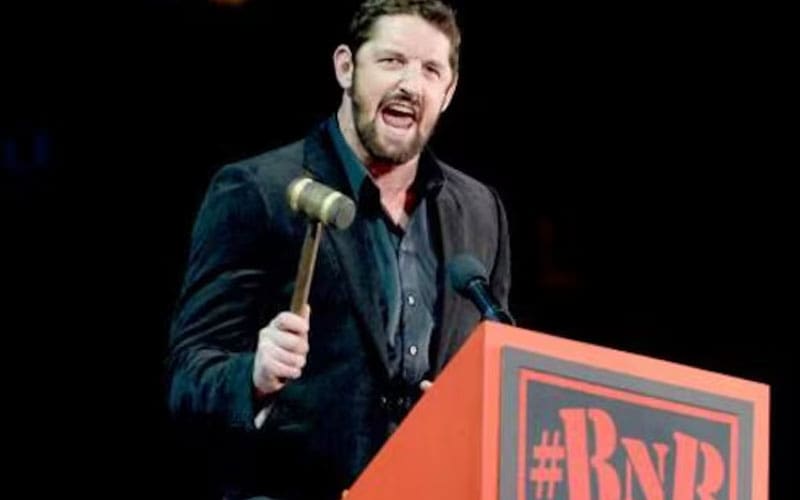
Wade Barrett has shed light on the reasons behind the decline of his popular Bad News Barrett gimmick in WWE, emphasizing that the character’s failure was not due to a lack of fan support. Speaking to Inside the Ropes, Barrett explained that audience enthusiasm for the gimmick was undeniable. Instead, the issue arose from WWE’s refusal to adapt to the overwhelming cheer from fans who wanted to see him transition into a good guy.
Barrett, who had spent the majority of his WWE career as a heel, found himself in uncharted territory with Bad News Barrett. The catchphrase, “I’m afraid I’ve got some bad news,” resonated with audiences, leading to spontaneous cheers rather than the anticipated boos. “There was a moment that for sure I should have been turned into a baby face,” he recalled. Despite the clear shift in audience sentiment, Barrett’s proposal to Vince McMahon to embrace the change was met with resistance.
During a meeting with the creative team, McMahon reportedly stated, “Barrett will never be a baby face. He’s not a baby face. He’s a heel for life. He’ll always be a heel.” This decision presented a unique challenge for Barrett and the creative team. Every time he delivered his famous catchphrase, the crowd erupted in applause, which complicated the narrative of him as a villain.
In an attempt to re-establish his heel persona, WWE instructed Barrett to stop using the catchphrase that had become synonymous with his character. “He told me, ‘I want you to still be Bad News Barrett, but you can’t say the catchphrase anymore,’” Barrett explained. This directive undermined the very essence of the character. “If you’re Bad News Barrett and you’re not saying the catchphrase, then you’re not really Bad News Barrett,” he asserted.
Despite Barrett’s attempts to communicate the importance of the catchphrase to McMahon, the response remained unyielding. “No, no, it’ll be fine. No problem. Just go out and do that,” Barrett recounted. The result was a gradual decline in audience reaction and Barrett’s standing within the company.
“The momentum faded,” he noted. “At that point, it was kind of dead in the water. I felt myself literally week by week slipping lower and lower on the card.” Barrett believes that the failure of Bad News Barrett was not a reflection of the gimmick’s potential, but rather a missed opportunity for WWE to pivot and embrace the cheers from fans.
This situation raises questions about creative decision-making in professional wrestling. Should WWE have capitalized on the audience’s demand for a babyface Barrett, or was maintaining him as a heel the better choice? As Barrett’s career illustrates, sometimes fan sentiment can dictate the trajectory of a character, and the refusal to adapt can lead to missed opportunities in the wrestling industry.
What are your thoughts on Barrett’s experience? Should WWE have turned Bad News Barrett into a fan favorite when the audience demanded it? Share your opinions below.

Philadelphia Parks Launch Free Earth Month Events Starting April 1

Bradford’s Fish Fry Fridays Serve Community with Delicious Dinners

Trump Faces Growing Challenges Amid Rising Tensions with Iran

Scientists Probe the Universe’s Missing Topological Defects

Samsung Galaxy Watch 9 to Feature Larger 435mAh Battery

UConn Huskies Aim to Defend Title in 2026 NCAA Women’s Tournament

U.S. Littoral Combat Ships Dock in Malaysia Amid Regional Tensions

Healthy Choice Wellness Reports Quarterly Earnings, Shares Rise

Urgent News: Charles M. Payment Passes Away at 78 in Duluth

University of Hawaiʻi Joins $25.6M AI Project to Enhance Disaster Monitoring

Major Grant Enhances Cancer Care and Research in Hawaiʻi

Joleen Chaney, Beloved Journalist, Passes Leaving Lasting Legacy

San Francisco’s SFO to Welcome 16 Airlines with Nonstop Flights to Europe in 2026

Goldman Sachs Unveils 2026 Catalyst Playbook for Biotech Investors

Discover Top Business Smartphones for Professionals in 2026

Urgent Update: Tom Aspinall’s Vision Deteriorates After UFC 321

Texas Roadhouse Honors Veterans with Free Meal Vouchers

CD Projekt Red Confirms No Release for The Witcher 4 in 2026
-
Science9 months ago
University of Hawaiʻi Joins $25.6M AI Project to Enhance Disaster Monitoring
-
 Health8 months ago
Major Grant Enhances Cancer Care and Research in Hawaiʻi
-
 Top Stories9 months ago
Joleen Chaney, Beloved Journalist, Passes Leaving Lasting Legacy
-
 World7 months ago
San Francisco’s SFO to Welcome 16 Airlines with Nonstop Flights to Europe in 2026
-
 Business8 months ago
Goldman Sachs Unveils 2026 Catalyst Playbook for Biotech Investors
-
 Business7 months ago
Discover Top Business Smartphones for Professionals in 2026
-
 Top Stories9 months ago
Urgent Update: Tom Aspinall’s Vision Deteriorates After UFC 321
-
 Lifestyle9 months ago
Texas Roadhouse Honors Veterans with Free Meal Vouchers
-
 Entertainment8 months ago
CD Projekt Red Confirms No Release for The Witcher 4 in 2026
-

 Top Stories10 months ago
AI Disruption: AWS Faces Threat as Startups Shift Cloud Focus
-

 Health10 months ago
MIT Scientists Uncover Surprising Genomic Loops During Cell Division
-

 Entertainment10 months ago
Discover the Full Map of Pokémon Legends: Z-A’s Lumiose City