
Politics
Family Tensions Rise Over New Table Manners Among In-Laws

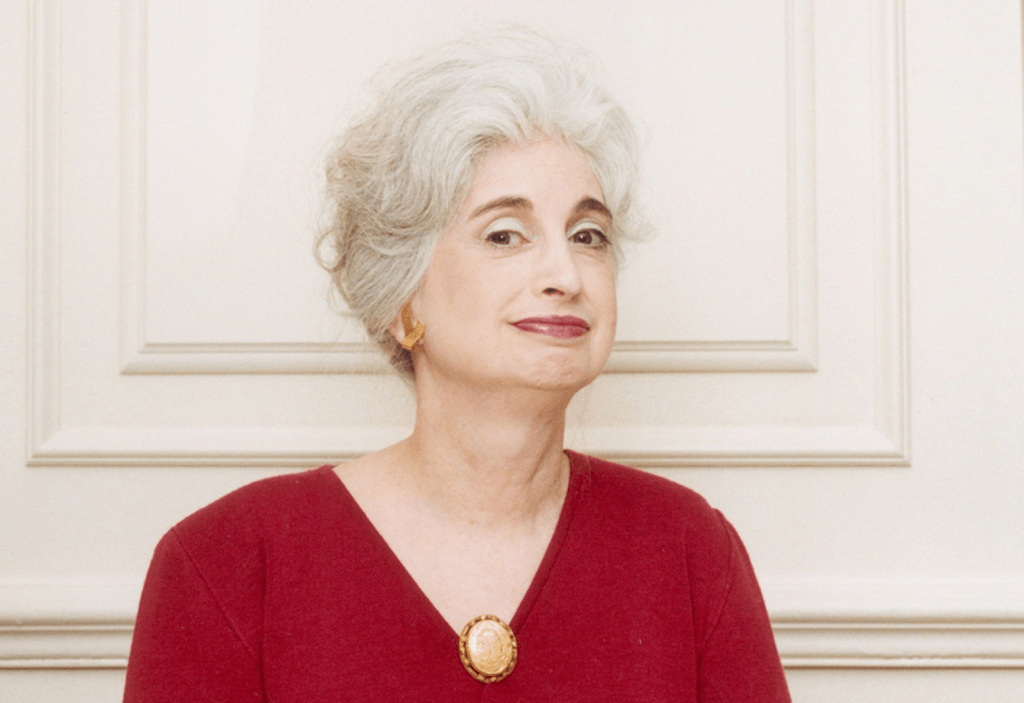
A recent letter to renowned etiquette columnist Miss Manners has highlighted a growing concern among families regarding the evolving standards of table manners. A mother expressed her dismay at the new dining behaviors adopted by her sons-in-law and, subsequently, their children. The mother, who learned manners from her own parents, noted a stark departure from traditional etiquette, leading to family tensions.
The letter detailed several examples of what the writer perceives as a decline in decorum. Offending behaviors include placing arms on the table, resting one foot on a chair with the knee elevated, and aggressive jabbing at food. Other grievances involve improper handling of silverware and the practice of eating before all guests are seated. This shift in dining behavior has not only frustrated the mother but has also caused her to lament the lack of basic decency in her teenage grandchildren.
In her response, Miss Manners questioned the notion that widespread poor manners could justify their acceptance. She emphasized that just because many individuals are behaving inappropriately does not make it right, likening it to the act of shoplifting. While she acknowledged that these behaviors do not cause harm to others, they reflect poorly on the individuals practicing them.
The columnist advised the mother to accept that she may not influence the adults in her family, as they are already set in their ways. However, Miss Manners offered a glimmer of hope regarding the grandchildren. She suggested that teenagers are often more concerned about making a good impression than adults, particularly in settings like college or job interviews. These situations present opportunities for the mother to impart valuable lessons on etiquette without directly criticizing their parents.
To approach this delicate matter, Miss Manners recommended inviting the grandchildren to a more formal dinner setting. During this gathering, she could discuss potential situations that might require proper table manners and share the advantages of knowing them. By framing the conversation around enhancing their confidence in social situations, it may be possible to instill a sense of decorum without offending anyone.
The letter serves as a reminder that etiquette evolves, often reflecting generational changes in society. While Miss Manners recognizes the importance of maintaining traditional manners, she also highlights the need for understanding and adapting to new norms. The balance between respecting established etiquette and navigating contemporary behaviors remains a challenge for many families.
In conclusion, the ongoing dialogue about table manners illustrates a broader cultural conversation about respect and propriety in social settings. As families navigate these changes, the hope is that they can find common ground and foster mutual understanding, ensuring that future generations carry forward the essence of good manners.

Philadelphia Parks Launch Free Earth Month Events Starting April 1

Bradford’s Fish Fry Fridays Serve Community with Delicious Dinners

Trump Faces Growing Challenges Amid Rising Tensions with Iran

Scientists Probe the Universe’s Missing Topological Defects

Samsung Galaxy Watch 9 to Feature Larger 435mAh Battery

UConn Huskies Aim to Defend Title in 2026 NCAA Women’s Tournament

U.S. Littoral Combat Ships Dock in Malaysia Amid Regional Tensions

Healthy Choice Wellness Reports Quarterly Earnings, Shares Rise

Urgent News: Charles M. Payment Passes Away at 78 in Duluth

University of Hawaiʻi Joins $25.6M AI Project to Enhance Disaster Monitoring

Major Grant Enhances Cancer Care and Research in Hawaiʻi

Joleen Chaney, Beloved Journalist, Passes Leaving Lasting Legacy

San Francisco’s SFO to Welcome 16 Airlines with Nonstop Flights to Europe in 2026

Goldman Sachs Unveils 2026 Catalyst Playbook for Biotech Investors

Discover Top Business Smartphones for Professionals in 2026

Urgent Update: Tom Aspinall’s Vision Deteriorates After UFC 321

Texas Roadhouse Honors Veterans with Free Meal Vouchers

CD Projekt Red Confirms No Release for The Witcher 4 in 2026
-
Science9 months ago
University of Hawaiʻi Joins $25.6M AI Project to Enhance Disaster Monitoring
-
 Health8 months ago
Major Grant Enhances Cancer Care and Research in Hawaiʻi
-
 Top Stories9 months ago
Joleen Chaney, Beloved Journalist, Passes Leaving Lasting Legacy
-
 World7 months ago
San Francisco’s SFO to Welcome 16 Airlines with Nonstop Flights to Europe in 2026
-
 Business8 months ago
Goldman Sachs Unveils 2026 Catalyst Playbook for Biotech Investors
-
 Business7 months ago
Discover Top Business Smartphones for Professionals in 2026
-
 Top Stories9 months ago
Urgent Update: Tom Aspinall’s Vision Deteriorates After UFC 321
-
 Lifestyle9 months ago
Texas Roadhouse Honors Veterans with Free Meal Vouchers
-
 Entertainment8 months ago
CD Projekt Red Confirms No Release for The Witcher 4 in 2026
-

 Top Stories10 months ago
AI Disruption: AWS Faces Threat as Startups Shift Cloud Focus
-

 Health10 months ago
MIT Scientists Uncover Surprising Genomic Loops During Cell Division
-

 Entertainment10 months ago
Discover the Full Map of Pokémon Legends: Z-A’s Lumiose City