
Politics
Trump Faces Tough Choices: Diplomacy or Conflict with Iran

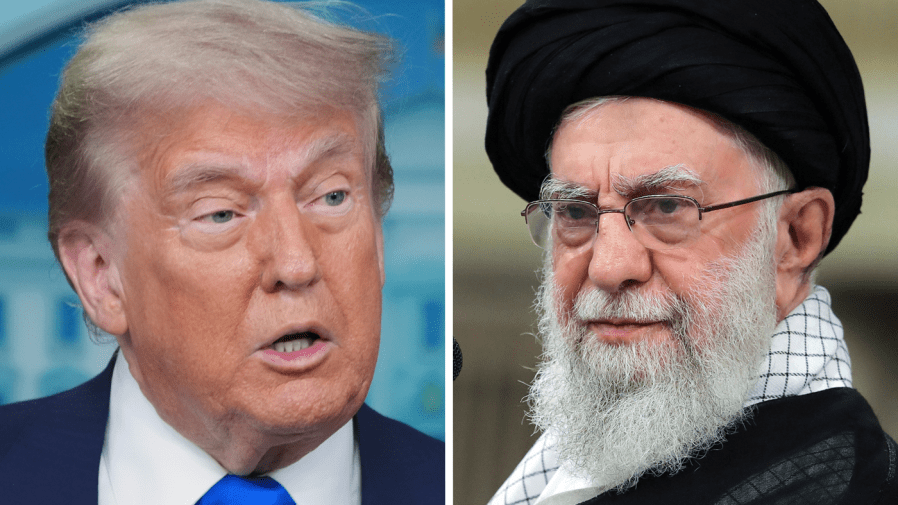
Tensions between the United States and Iran are intensifying as former President Donald Trump confronts critical decisions regarding U.S. policy in the region. As the 2024 Presidential Election approaches, the stakes are high; Trump must balance the pursuit of a diplomatic solution against the potential for military conflict. The situation is further complicated by Iran’s steadfast commitment to its survival and regional influence.
The dynamics of this confrontation are complex. Trump has often framed his approach as a binary choice: “deal or war.” This tactic, while historically effective in negotiations, may overlook a crucial element: Iran’s determination to protect its regime. The Iranian leadership has consistently shown a willingness to endure significant pressure, including economic sanctions, to maintain its sovereignty and power.
The U.S. State Department has emphasized its commitment to preventing Iran from acquiring nuclear weapons. Diplomatic efforts to revive the Joint Comprehensive Plan of Action (JCPOA), commonly known as the nuclear deal, have stalled, leaving a vacuum that could lead to escalation. In recent months, Iran has resumed certain nuclear activities, raising alarms among international observers and heightening the urgency for a response from Washington.
Trump’s administration has previously imposed stringent sanctions on Iran, aiming to cripple its economy and diminish its influence in the Middle East. However, these measures have had mixed results. While they have weakened Iran economically, they have not altered its strategic ambitions. Observers note that the Iranian regime appears more committed than ever to its nuclear program and regional aspirations, raising questions about the effectiveness of the current U.S. strategy.
As Trump navigates this intricate landscape, he faces pressure from various fronts. On one hand, there are advisors advocating for a hardline approach, emphasizing military readiness and deterrence. On the other hand, there are voices calling for renewed diplomacy, arguing that engagement is the path to long-term stability in the region.
The potential ramifications of Trump’s decisions extend beyond U.S.-Iran relations. A conflict could destabilize the entire Middle East, impacting global security and economic interests. Energy prices, for example, could surge if tensions escalate into military action, affecting consumers worldwide.
In conclusion, as the 2024 Presidential Election looms, Trump’s choices regarding Iran will be scrutinized closely. The balance between diplomacy and military action will not only define his foreign policy legacy but also shape the geopolitical landscape for years to come. The world watches as this critical situation unfolds, understanding that the consequences of these choices will resonate far beyond the borders of Iran and the United States.

Philadelphia Parks Launch Free Earth Month Events Starting April 1

Bradford’s Fish Fry Fridays Serve Community with Delicious Dinners

Trump Faces Growing Challenges Amid Rising Tensions with Iran

Scientists Probe the Universe’s Missing Topological Defects

Samsung Galaxy Watch 9 to Feature Larger 435mAh Battery

UConn Huskies Aim to Defend Title in 2026 NCAA Women’s Tournament

U.S. Littoral Combat Ships Dock in Malaysia Amid Regional Tensions

Healthy Choice Wellness Reports Quarterly Earnings, Shares Rise

Urgent News: Charles M. Payment Passes Away at 78 in Duluth

University of Hawaiʻi Joins $25.6M AI Project to Enhance Disaster Monitoring

Major Grant Enhances Cancer Care and Research in Hawaiʻi

Joleen Chaney, Beloved Journalist, Passes Leaving Lasting Legacy

San Francisco’s SFO to Welcome 16 Airlines with Nonstop Flights to Europe in 2026

Goldman Sachs Unveils 2026 Catalyst Playbook for Biotech Investors

Discover Top Business Smartphones for Professionals in 2026

Urgent Update: Tom Aspinall’s Vision Deteriorates After UFC 321

Texas Roadhouse Honors Veterans with Free Meal Vouchers

CD Projekt Red Confirms No Release for The Witcher 4 in 2026
-
Science9 months ago
University of Hawaiʻi Joins $25.6M AI Project to Enhance Disaster Monitoring
-
 Health8 months ago
Major Grant Enhances Cancer Care and Research in Hawaiʻi
-
 Top Stories9 months ago
Joleen Chaney, Beloved Journalist, Passes Leaving Lasting Legacy
-
 World7 months ago
San Francisco’s SFO to Welcome 16 Airlines with Nonstop Flights to Europe in 2026
-
 Business8 months ago
Goldman Sachs Unveils 2026 Catalyst Playbook for Biotech Investors
-
 Business7 months ago
Discover Top Business Smartphones for Professionals in 2026
-
 Top Stories9 months ago
Urgent Update: Tom Aspinall’s Vision Deteriorates After UFC 321
-
 Lifestyle9 months ago
Texas Roadhouse Honors Veterans with Free Meal Vouchers
-
 Entertainment8 months ago
CD Projekt Red Confirms No Release for The Witcher 4 in 2026
-

 Top Stories10 months ago
AI Disruption: AWS Faces Threat as Startups Shift Cloud Focus
-

 Health10 months ago
MIT Scientists Uncover Surprising Genomic Loops During Cell Division
-

 Entertainment10 months ago
Discover the Full Map of Pokémon Legends: Z-A’s Lumiose City