
Health
Stay Independent After 60: 6 Essential Exercises for Vitality

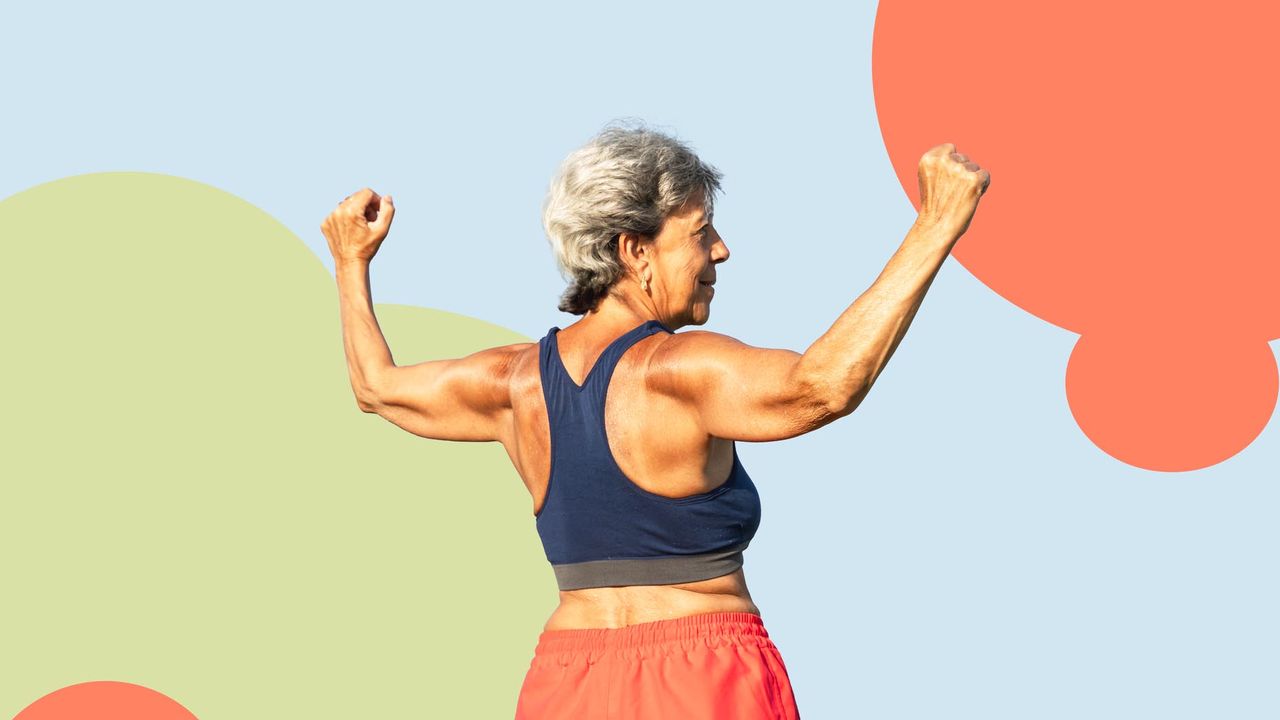
Staying independent after the age of 60 relies on the ability to perform everyday movements with confidence rather than on intense workout routines. The focus should be on practical exercises that strengthen essential functions such as getting up from chairs, turning while driving, and maintaining balance to prevent falls. According to Charlie Page, Lead Physical Therapist at South Coast Home Physiotherapy, these small movements are crucial for self-sufficiency as people age.
Page emphasizes that strength, balance, mobility, and flexibility can be developed at any stage of life, making it possible for older adults to enhance their independence through targeted exercise. The right movements do not have to be complicated or time-consuming, but they must be purposeful. Regular practice not only reduces the risk of falls but also supports joint health and simplifies daily tasks.
Key Exercises to Promote Independence
The following six exercises recommended by Page focus on the key areas that significantly affect independence: lower-body strength, upper-body pushing power, rotational mobility, and balance. Each exercise is designed to be practical and scalable, ensuring that individuals can adapt them to their own abilities.
1. **Sit-to-Stand from a Dining Chair**
“This is the single most functional exercise I prescribe,” Page states. This movement directly translates to real-world scenarios, such as getting off the sofa or exiting a car. Practicing the sit-to-stand motion strengthens vital muscles like the quads and glutes, which are essential for maintaining everyday independence.
2. **Wall Press-Up**
Upper-body strength plays a key role in various daily activities, from opening heavy doors to getting up from the floor after a fall. A wall press-up is a safe and accessible way to build this strength without the need to get down on the floor, making it suitable for older adults.
3. **Standing Hip Abduction**
This exercise targets the hip abductors, which stabilize the pelvis with every step. “If they’re weak, your walking pattern becomes less steady, which raises fall risk,” Page explains. Strengthening these muscles is vital for maintaining a steady gait.
4. **Seated Trunk Rotation**
As people age, rotational mobility often declines, impacting tasks like reaching or looking over one’s shoulder. This exercise maintains mid-back mobility while providing a safe, supported position.
5. **Tandem Stance (Heel-to-Toe Stand)**
Balance is a significant predictor of independence. Improved balance reduces the likelihood of falls, which are one of the leading causes of hospitalization among older adults. The tandem stance challenges stability in a way that closely reflects real-life situations, such as navigating uneven surfaces.
6. **Single-Leg Stand**
Considered a gold-standard balance exercise, the ability to hold a single-leg stand for 10 seconds is closely linked to long-term health. “It’s simple, but incredibly powerful,” Page notes. This exercise is both a training tool and an assessment of balance.
While these exercises may appear deceptively simple, their effectiveness lies in their focus on movements relied upon in daily life. Standing, walking, reaching, turning, and balancing are all targeted through these activities. Over time, consistent practice translates into greater confidence and independence.
Instead of viewing these exercises as a workout, individuals are encouraged to incorporate them into their daily routines. Even dedicating a few minutes each day can significantly impact one’s physical well-being and independence.
Maintaining independence after 60 is achievable through practical and consistent exercise, enabling older adults to navigate life with strength and confidence.

Philadelphia Parks Launch Free Earth Month Events Starting April 1

Bradford’s Fish Fry Fridays Serve Community with Delicious Dinners

Trump Faces Growing Challenges Amid Rising Tensions with Iran

Scientists Probe the Universe’s Missing Topological Defects

Samsung Galaxy Watch 9 to Feature Larger 435mAh Battery

UConn Huskies Aim to Defend Title in 2026 NCAA Women’s Tournament

U.S. Littoral Combat Ships Dock in Malaysia Amid Regional Tensions

Healthy Choice Wellness Reports Quarterly Earnings, Shares Rise

Urgent News: Charles M. Payment Passes Away at 78 in Duluth

University of Hawaiʻi Joins $25.6M AI Project to Enhance Disaster Monitoring

Major Grant Enhances Cancer Care and Research in Hawaiʻi

Joleen Chaney, Beloved Journalist, Passes Leaving Lasting Legacy

San Francisco’s SFO to Welcome 16 Airlines with Nonstop Flights to Europe in 2026

Goldman Sachs Unveils 2026 Catalyst Playbook for Biotech Investors

Discover Top Business Smartphones for Professionals in 2026

Urgent Update: Tom Aspinall’s Vision Deteriorates After UFC 321

Texas Roadhouse Honors Veterans with Free Meal Vouchers

CD Projekt Red Confirms No Release for The Witcher 4 in 2026
-
Science9 months ago
University of Hawaiʻi Joins $25.6M AI Project to Enhance Disaster Monitoring
-
 Health8 months ago
Major Grant Enhances Cancer Care and Research in Hawaiʻi
-
 Top Stories9 months ago
Joleen Chaney, Beloved Journalist, Passes Leaving Lasting Legacy
-
 World7 months ago
San Francisco’s SFO to Welcome 16 Airlines with Nonstop Flights to Europe in 2026
-
 Business8 months ago
Goldman Sachs Unveils 2026 Catalyst Playbook for Biotech Investors
-
 Business7 months ago
Discover Top Business Smartphones for Professionals in 2026
-
 Top Stories9 months ago
Urgent Update: Tom Aspinall’s Vision Deteriorates After UFC 321
-
 Lifestyle9 months ago
Texas Roadhouse Honors Veterans with Free Meal Vouchers
-
 Entertainment8 months ago
CD Projekt Red Confirms No Release for The Witcher 4 in 2026
-

 Top Stories10 months ago
AI Disruption: AWS Faces Threat as Startups Shift Cloud Focus
-

 Health10 months ago
MIT Scientists Uncover Surprising Genomic Loops During Cell Division
-

 Entertainment10 months ago
Discover the Full Map of Pokémon Legends: Z-A’s Lumiose City