
Top Stories
Wi-Fi Signal Strength Misleading: Poor Performance Despite Full Bars

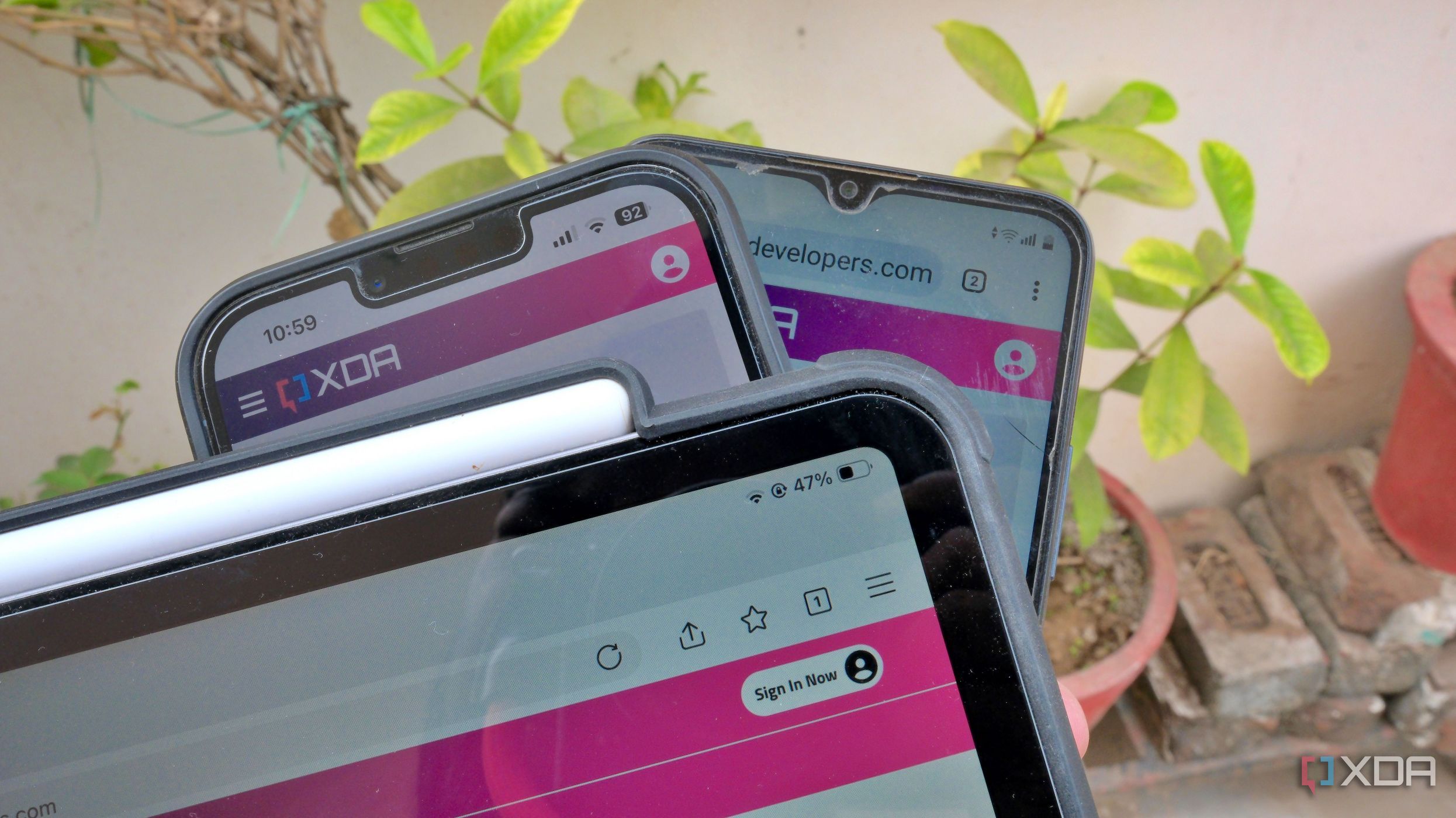
UPDATE: New reports confirm that the full bars showing on your Wi-Fi signal strength indicator may not guarantee reliable internet performance. Users worldwide are experiencing frustrating slow connectivity, even when their devices display maximum signal strength.
Recent observations reveal that many people are puzzled when their devices, including smartphones and laptops, fail to load apps or web pages promptly, despite showing full Wi-Fi signal bars. The discrepancy between signal strength and actual performance has led to growing concerns about the reliability of wireless connections.
Officials from several tech organizations explain that the Wi-Fi bars displayed on devices merely represent the signal strength between the device and the router. However, this does not account for numerous factors that can impact real-world internet speeds. For instance, even with three or four bars indicating a strong signal, users can experience lag, delayed downloads, and interrupted video calls.
A recent personal test involving an Android 11 device, an iPhone 13 Pro Max, and an iPad Pro (M1), all connected to a 2.4 GHz band, yielded alarming results. Although all three devices showed similar signal strength, they produced varying speeds on consecutive tests, demonstrating that strong signal bars do not equate to reliable performance.
Experts warn that various factors contribute to weak wireless signals, including the placement of routers, physical obstructions like walls and furniture, and interference from neighboring networks. Many users unknowingly leave their routers on crowded channels, leading to unpredictable performance and further confusion regarding their internet experience.
The Wi-Fi bars can mislead users into thinking they have optimal connectivity when, in fact, they may be facing significant latency, jitter, and packet loss. A quick speed test is recommended to assess true performance and identify any issues that may hinder smooth connectivity.
Moreover, not all devices are created equal. The hardware in devices can significantly affect wireless performance. While laptops may perform adequately on lower signal strength, smartphones and portable devices may struggle under similar conditions.
In light of these developments, users are encouraged to optimize their home networks to suit their devices and usage patterns. Adjusting router settings, choosing less crowded channels, and ensuring devices connect to the appropriate frequency bands can all help improve performance.
As technology advances, many devices now support Wi-Fi 6 and Wi-Fi 7, which promise improved data transfer speeds and efficiency. However, without understanding the limitations of signal strength indicators, users may still find themselves frustrated by lagging connections.
The takeaway? The Wi-Fi signal strength icon is not the full story. As connectivity issues persist, users are urged to be proactive in assessing their network performance and troubleshooting potential problems.
For those currently experiencing issues, consider running a speed test and adjusting your router settings to ensure optimal performance. Don’t let misleading signal bars lead to unnecessary frustration. Stay informed and share this critical information with others who may be similarly affected.

Philadelphia Parks Launch Free Earth Month Events Starting April 1

Bradford’s Fish Fry Fridays Serve Community with Delicious Dinners

Trump Faces Growing Challenges Amid Rising Tensions with Iran

Scientists Probe the Universe’s Missing Topological Defects

Samsung Galaxy Watch 9 to Feature Larger 435mAh Battery

UConn Huskies Aim to Defend Title in 2026 NCAA Women’s Tournament

U.S. Littoral Combat Ships Dock in Malaysia Amid Regional Tensions

Healthy Choice Wellness Reports Quarterly Earnings, Shares Rise

Urgent News: Charles M. Payment Passes Away at 78 in Duluth

University of Hawaiʻi Joins $25.6M AI Project to Enhance Disaster Monitoring

Major Grant Enhances Cancer Care and Research in Hawaiʻi

Joleen Chaney, Beloved Journalist, Passes Leaving Lasting Legacy

San Francisco’s SFO to Welcome 16 Airlines with Nonstop Flights to Europe in 2026

Goldman Sachs Unveils 2026 Catalyst Playbook for Biotech Investors

Discover Top Business Smartphones for Professionals in 2026

Urgent Update: Tom Aspinall’s Vision Deteriorates After UFC 321

Texas Roadhouse Honors Veterans with Free Meal Vouchers

CD Projekt Red Confirms No Release for The Witcher 4 in 2026
-
Science9 months ago
University of Hawaiʻi Joins $25.6M AI Project to Enhance Disaster Monitoring
-
 Health8 months ago
Major Grant Enhances Cancer Care and Research in Hawaiʻi
-
 Top Stories9 months ago
Joleen Chaney, Beloved Journalist, Passes Leaving Lasting Legacy
-
 World7 months ago
San Francisco’s SFO to Welcome 16 Airlines with Nonstop Flights to Europe in 2026
-
 Business8 months ago
Goldman Sachs Unveils 2026 Catalyst Playbook for Biotech Investors
-
 Business8 months ago
Discover Top Business Smartphones for Professionals in 2026
-
 Top Stories9 months ago
Urgent Update: Tom Aspinall’s Vision Deteriorates After UFC 321
-
 Lifestyle9 months ago
Texas Roadhouse Honors Veterans with Free Meal Vouchers
-
 Entertainment8 months ago
CD Projekt Red Confirms No Release for The Witcher 4 in 2026
-

 Top Stories10 months ago
AI Disruption: AWS Faces Threat as Startups Shift Cloud Focus
-

 Health10 months ago
MIT Scientists Uncover Surprising Genomic Loops During Cell Division
-

 Entertainment10 months ago
Discover the Full Map of Pokémon Legends: Z-A’s Lumiose City