
Business
Supreme Court to Review Trump Tariffs That Could Change Trade Policy

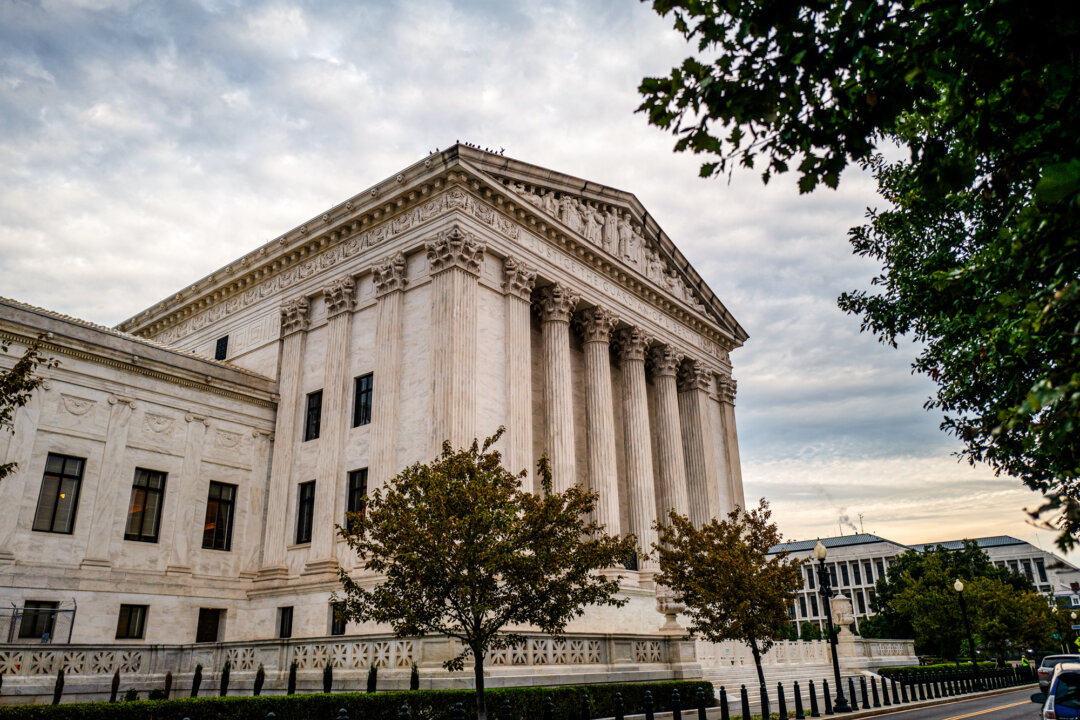
The United States Supreme Court is set to hear a pivotal case that could significantly influence the future of U.S. trade policy. The court will examine the legality of the tariffs imposed by former President Donald Trump under the 1977 International Emergency Economic Powers Act (IEEPA). This case is crucial as it questions whether Trump exceeded his presidential authority by imposing extensive tariffs on various trading partners, including nations as influential as China and members of the European Union.
These tariffs, implemented during Trump’s administration, have had far-reaching implications, altering global supply chains and escalating trade tensions with several countries. The Supreme Court’s decision, anticipated sometime in the court’s 2025–2026 term, could redefine the scope of presidential power in trade matters and establish a new framework for how such decisions are made in the future.
The legal challenge centers on the interpretation of the IEEPA, which grants the president the authority to impose economic sanctions in response to national emergencies. Critics argue that Trump’s use of this power for broad tariffs was an overreach, while supporters contend that such measures were necessary to protect U.S. interests.
As the Supreme Court prepares to deliberate, the outcome could have lasting effects on the balance of power between the executive branch and Congress regarding trade policy. A ruling in support of the tariffs could embolden future presidents to take similar actions without congressional approval, while a decision against them may reinforce the legislative branch’s role in trade negotiations.
Legal experts are closely monitoring the case, recognizing its potential to reshape not only U.S. trade law but also international relations. The implications extend beyond tariffs; they touch on the fundamental question of how much authority a president should wield in economic matters that affect the global landscape.
In this evolving legal landscape, the Supreme Court’s ruling will resonate far beyond the courtroom, influencing economic policies and diplomatic relations for years to come. As both domestic and international stakeholders await the court’s decision, the stakes could not be higher for the future of U.S. trade policy and its position on the world stage.

Philadelphia Parks Launch Free Earth Month Events Starting April 1

Bradford’s Fish Fry Fridays Serve Community with Delicious Dinners

Trump Faces Growing Challenges Amid Rising Tensions with Iran

Scientists Probe the Universe’s Missing Topological Defects

Samsung Galaxy Watch 9 to Feature Larger 435mAh Battery

UConn Huskies Aim to Defend Title in 2026 NCAA Women’s Tournament

U.S. Littoral Combat Ships Dock in Malaysia Amid Regional Tensions

Healthy Choice Wellness Reports Quarterly Earnings, Shares Rise

Urgent News: Charles M. Payment Passes Away at 78 in Duluth

University of Hawaiʻi Joins $25.6M AI Project to Enhance Disaster Monitoring

Major Grant Enhances Cancer Care and Research in Hawaiʻi

Joleen Chaney, Beloved Journalist, Passes Leaving Lasting Legacy

San Francisco’s SFO to Welcome 16 Airlines with Nonstop Flights to Europe in 2026

Goldman Sachs Unveils 2026 Catalyst Playbook for Biotech Investors

Discover Top Business Smartphones for Professionals in 2026

Urgent Update: Tom Aspinall’s Vision Deteriorates After UFC 321

Texas Roadhouse Honors Veterans with Free Meal Vouchers

CD Projekt Red Confirms No Release for The Witcher 4 in 2026
-
Science9 months ago
University of Hawaiʻi Joins $25.6M AI Project to Enhance Disaster Monitoring
-
 Health8 months ago
Major Grant Enhances Cancer Care and Research in Hawaiʻi
-
 Top Stories9 months ago
Joleen Chaney, Beloved Journalist, Passes Leaving Lasting Legacy
-
 World7 months ago
San Francisco’s SFO to Welcome 16 Airlines with Nonstop Flights to Europe in 2026
-
 Business8 months ago
Goldman Sachs Unveils 2026 Catalyst Playbook for Biotech Investors
-
 Business7 months ago
Discover Top Business Smartphones for Professionals in 2026
-
 Top Stories9 months ago
Urgent Update: Tom Aspinall’s Vision Deteriorates After UFC 321
-
 Lifestyle9 months ago
Texas Roadhouse Honors Veterans with Free Meal Vouchers
-
 Entertainment8 months ago
CD Projekt Red Confirms No Release for The Witcher 4 in 2026
-

 Top Stories10 months ago
AI Disruption: AWS Faces Threat as Startups Shift Cloud Focus
-

 Health10 months ago
MIT Scientists Uncover Surprising Genomic Loops During Cell Division
-

 Entertainment10 months ago
Discover the Full Map of Pokémon Legends: Z-A’s Lumiose City