
Lifestyle
Dinner Party Turns Sour After Missing Art Sparks Concerns

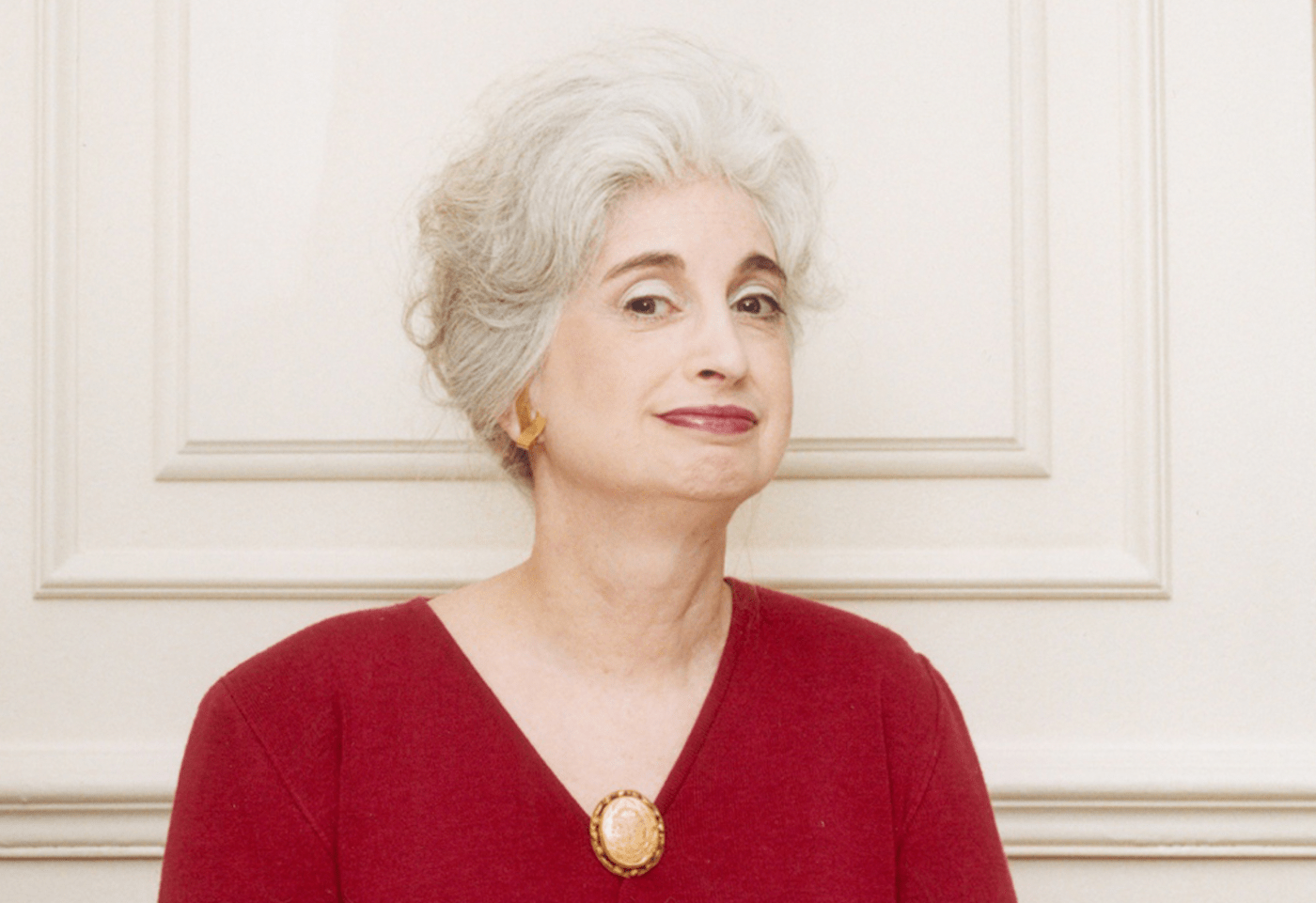
A recent dinner party took an unexpected turn when two pieces of art went missing from a designated smoking room. The host, concerned about the situation, has sought guidance on how to address the issue without creating discomfort among the guests.
During the dinner party, which featured a total of 20 guests, the host had arranged a separate space for smokers to enjoy their cigarettes without imposing on non-smoking attendees. After the event, the host discovered that a small painting and a sculpture were missing from this area. Although the items lacked significant financial or sentimental value, the incident left the host feeling distressed.
Only three guests had accessed the smoking room, raising suspicions about the disappearance of the art. The host has refrained from mentioning the missing items to anyone, fearing that doing so might lead to uncomfortable speculation regarding who might have taken them.
In addressing the situation, etiquette expert Miss Manners offered a potential solution. She suggested that the host could casually inquire with the three guests about the missing items, framing it as a question regarding whether they had seen the art while in the room. This approach would allow the host to subtly indicate awareness of the situation without making direct accusations.
Miss Manners emphasized that this method would not fool anyone involved but would serve to alert the potential culprit that their actions had not gone unnoticed. This kind of indirect communication is often necessary in social situations where direct confrontation might lead to further complications.
The host expressed concern about the implications of not addressing the issue. If a similar situation were to arise in someone else’s home, they feared they would feel guilty for remaining silent. This dilemma highlights the complexities of navigating social etiquette and personal relationships, particularly when trust is questioned.
In a separate inquiry, another reader sought advice regarding unsolicited praise received for caring for a relative with severe disabilities. The reader, who has taken on the role of legal guardian, expressed frustration over well-meaning individuals who laud their commitment. They described feeling uncomfortable with the compliments, interpreting them as a reflection of others’ relief at not being in their situation.
Miss Manners suggested a straightforward response: ask the well-meaning individuals, “Wouldn’t you do the same for someone you loved?” This response aims to redirect the conversation while challenging the notion that extraordinary effort should be rewarded with praise.
Both scenarios underscore the delicate balance of social expectations and personal feelings in interpersonal relationships. As individuals navigate these challenges, the guidance of etiquette experts can provide valuable insights into maintaining harmony within social circles.

Philadelphia Parks Launch Free Earth Month Events Starting April 1

Bradford’s Fish Fry Fridays Serve Community with Delicious Dinners

Trump Faces Growing Challenges Amid Rising Tensions with Iran

Scientists Probe the Universe’s Missing Topological Defects

Samsung Galaxy Watch 9 to Feature Larger 435mAh Battery

UConn Huskies Aim to Defend Title in 2026 NCAA Women’s Tournament

U.S. Littoral Combat Ships Dock in Malaysia Amid Regional Tensions

Healthy Choice Wellness Reports Quarterly Earnings, Shares Rise

Urgent News: Charles M. Payment Passes Away at 78 in Duluth

University of Hawaiʻi Joins $25.6M AI Project to Enhance Disaster Monitoring

Major Grant Enhances Cancer Care and Research in Hawaiʻi

Joleen Chaney, Beloved Journalist, Passes Leaving Lasting Legacy

San Francisco’s SFO to Welcome 16 Airlines with Nonstop Flights to Europe in 2026

Goldman Sachs Unveils 2026 Catalyst Playbook for Biotech Investors

Discover Top Business Smartphones for Professionals in 2026

Urgent Update: Tom Aspinall’s Vision Deteriorates After UFC 321

Texas Roadhouse Honors Veterans with Free Meal Vouchers

CD Projekt Red Confirms No Release for The Witcher 4 in 2026
-
Science9 months ago
University of Hawaiʻi Joins $25.6M AI Project to Enhance Disaster Monitoring
-
 Health8 months ago
Major Grant Enhances Cancer Care and Research in Hawaiʻi
-
 Top Stories9 months ago
Joleen Chaney, Beloved Journalist, Passes Leaving Lasting Legacy
-
 World7 months ago
San Francisco’s SFO to Welcome 16 Airlines with Nonstop Flights to Europe in 2026
-
 Business8 months ago
Goldman Sachs Unveils 2026 Catalyst Playbook for Biotech Investors
-
 Business7 months ago
Discover Top Business Smartphones for Professionals in 2026
-
 Top Stories9 months ago
Urgent Update: Tom Aspinall’s Vision Deteriorates After UFC 321
-
 Lifestyle9 months ago
Texas Roadhouse Honors Veterans with Free Meal Vouchers
-
 Entertainment8 months ago
CD Projekt Red Confirms No Release for The Witcher 4 in 2026
-

 Top Stories10 months ago
AI Disruption: AWS Faces Threat as Startups Shift Cloud Focus
-

 Health10 months ago
MIT Scientists Uncover Surprising Genomic Loops During Cell Division
-

 Entertainment10 months ago
Discover the Full Map of Pokémon Legends: Z-A’s Lumiose City