
Top Stories
Virginia Data Center Bills Stall as Energy Concerns Surge

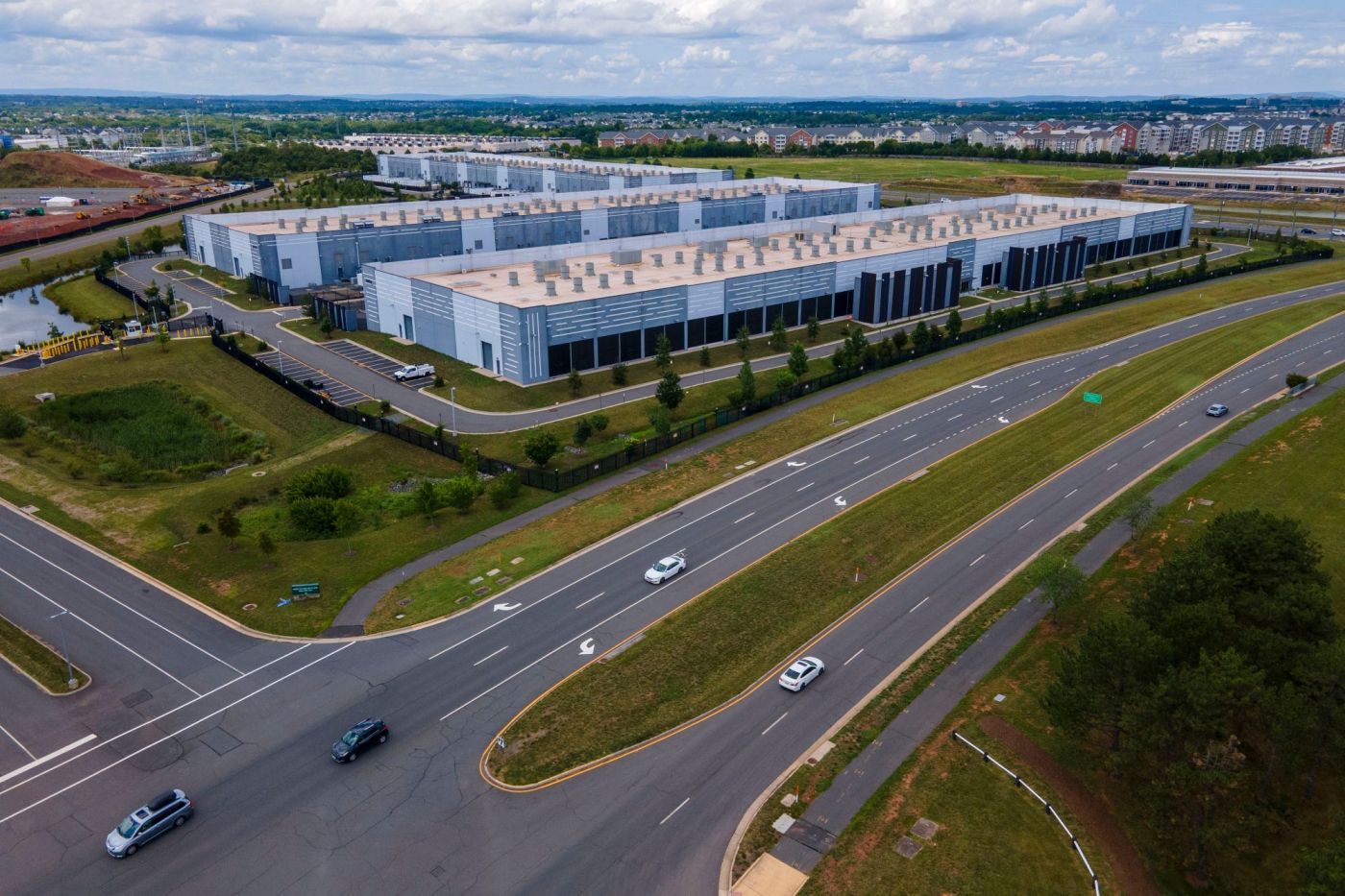
UPDATE: In an urgent legislative session, the Virginia General Assembly faces backlash as over **60 data center bills** stall, raising alarms over unchecked growth and resource strain. Advocates warn that the few bills advancing may not adequately address the **energy and water demands** posed by the rapidly expanding data center industry.
Officials report that nearly **half of the proposed bills** have been pushed to next year or left in committee, prompting concerns from environmental advocates. **Chris Miller**, president of the Piedmont Environmental Council, emphasizes the urgent need for regulation, stating, “The energy infrastructure… is going to affect **100 times more land** than the data center footprint itself.”
According to a recent study by the **Electric Power Research Institute**, data centers in Virginia already consume over **20% of the state’s electricity**, a figure projected to soar to between **39% and 57%** by **2030**. Miller underscores the potential need for a staggering **$400 to $500 billion** investment in infrastructure to accommodate this growth, highlighting a missed opportunity for the General Assembly to take decisive action.
Two critical bills aimed at increasing regulatory oversight—**SB619** and **SB339**—have seen some support but remain stalled. SB619 seeks to require new data centers to obtain approval from the **State Corporation Commission (SCC)** before construction, ensuring compliance with energy and environmental standards. Despite passing the Senate with a **23-16 vote**, it was tabled in a House subcommittee earlier this week. Meanwhile, SB339 aims to study the cost allocation of energy transmission from high-load customers but has similarly faced delays.
With only two weeks left in the session, Miller urges legislators to act, warning, “There are some good bills that passed, but they don’t address the core problem: we’re approving data centers too fast.” Governor **Abigail Spanberger** has yet to comment on whether she supports additional regulations, leaving many advocates anxious.
Water supply is another pressing issue, as large data centers can consume around **5 million gallons of water daily** for cooling. While a recent report from the **Joint Legislative Audit and Review Commission** indicates current water use is sustainable, it acknowledges a trend toward rising consumption. Miller criticizes the lack of centralized data on water usage by data centers, stating, “We don’t have enough water for what they’re approving, but nobody seems to be doing the analysis.”
In a related development, **HB589**, which would have mandated water utilities to report data center water supply, died in committee. However, **SB553** aims to establish similar reporting requirements and has passed the Senate, although a House substitute with more lenient restrictions is now under discussion.
Other proposed legislation includes measures to implement demand flexibility programs for energy-intensive customers and to ensure data centers meet specific emissions standards. The future of the data center sales and use tax exemption also hangs in the balance, with the Senate’s budget proposal suggesting nearly **$1 billion** in revenue if the exemption expires by year-end.
Supporters of the data center industry argue that it significantly contributes to Virginia’s economy, claiming **74,000 jobs** and **$5.5 billion** in labor income. The **Data Center Coalition** asserts that Virginia’s competitive tax environment is essential for ongoing investment and job creation.
As the General Assembly concludes, stakeholders are closely monitoring the situation, with advocates pushing for stronger regulatory frameworks to prevent a crisis in resource management. Residents are urged to stay informed as these legislative developments unfold, with the potential to impact both the environment and local economies significantly.

Philadelphia Parks Launch Free Earth Month Events Starting April 1

Bradford’s Fish Fry Fridays Serve Community with Delicious Dinners

Trump Faces Growing Challenges Amid Rising Tensions with Iran

Scientists Probe the Universe’s Missing Topological Defects

Samsung Galaxy Watch 9 to Feature Larger 435mAh Battery

UConn Huskies Aim to Defend Title in 2026 NCAA Women’s Tournament

U.S. Littoral Combat Ships Dock in Malaysia Amid Regional Tensions

Healthy Choice Wellness Reports Quarterly Earnings, Shares Rise

Urgent News: Charles M. Payment Passes Away at 78 in Duluth

University of Hawaiʻi Joins $25.6M AI Project to Enhance Disaster Monitoring

Major Grant Enhances Cancer Care and Research in Hawaiʻi

Joleen Chaney, Beloved Journalist, Passes Leaving Lasting Legacy

San Francisco’s SFO to Welcome 16 Airlines with Nonstop Flights to Europe in 2026

Goldman Sachs Unveils 2026 Catalyst Playbook for Biotech Investors

Discover Top Business Smartphones for Professionals in 2026

Urgent Update: Tom Aspinall’s Vision Deteriorates After UFC 321

Texas Roadhouse Honors Veterans with Free Meal Vouchers

CD Projekt Red Confirms No Release for The Witcher 4 in 2026
-
Science9 months ago
University of Hawaiʻi Joins $25.6M AI Project to Enhance Disaster Monitoring
-
 Health8 months ago
Major Grant Enhances Cancer Care and Research in Hawaiʻi
-
 Top Stories9 months ago
Joleen Chaney, Beloved Journalist, Passes Leaving Lasting Legacy
-
 World7 months ago
San Francisco’s SFO to Welcome 16 Airlines with Nonstop Flights to Europe in 2026
-
 Business8 months ago
Goldman Sachs Unveils 2026 Catalyst Playbook for Biotech Investors
-
 Business7 months ago
Discover Top Business Smartphones for Professionals in 2026
-
 Top Stories9 months ago
Urgent Update: Tom Aspinall’s Vision Deteriorates After UFC 321
-
 Lifestyle9 months ago
Texas Roadhouse Honors Veterans with Free Meal Vouchers
-
 Entertainment8 months ago
CD Projekt Red Confirms No Release for The Witcher 4 in 2026
-

 Top Stories10 months ago
AI Disruption: AWS Faces Threat as Startups Shift Cloud Focus
-

 Health10 months ago
MIT Scientists Uncover Surprising Genomic Loops During Cell Division
-

 Entertainment10 months ago
Discover the Full Map of Pokémon Legends: Z-A’s Lumiose City