
Science
NTSB Confirms Hull Damage Caused Titan Submersible Implosion

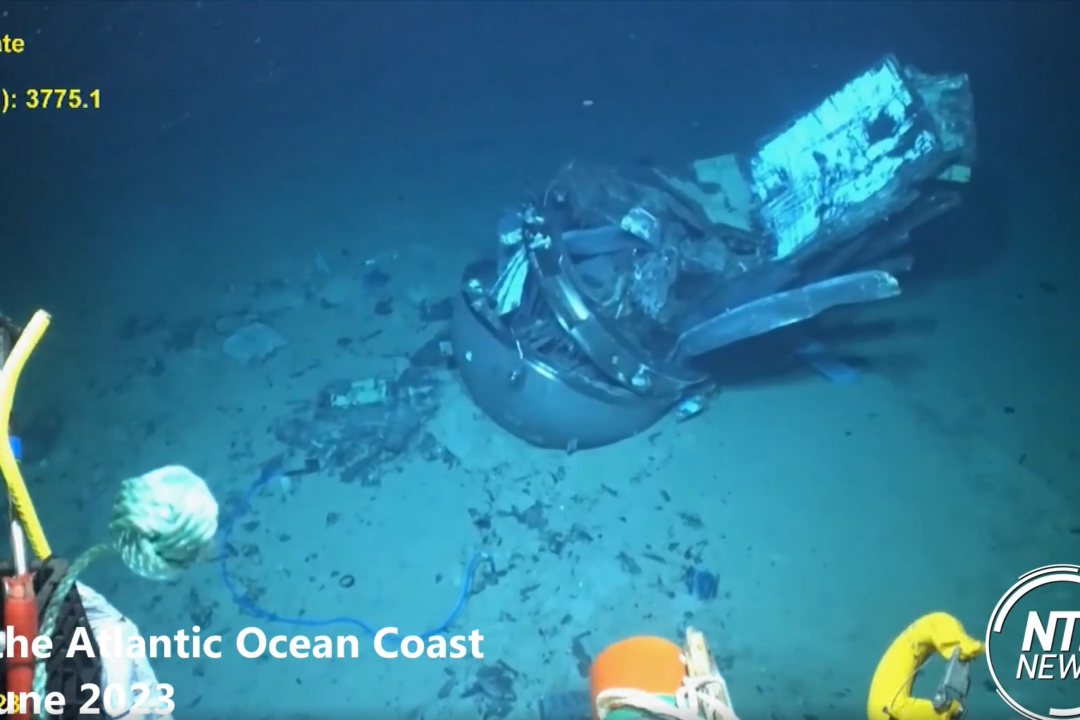
The National Transportation Safety Board (NTSB) has concluded that damage to the hull of the Titan submersible led to its catastrophic implosion during an expedition to the wreckage of the Titanic on June 18, 2023. The incident resulted in the loss of all five individuals aboard the experimental craft, which was designed and built by the private company OceanGate in 2021.
In an official report published on October 15, the NTSB identified the root cause of the hull failure as **OceanGate’s inadequate engineering process**. This process failed to accurately assess the strength and durability of the Titan’s pressure vessel, leading to a tragic outcome during the deep-sea exploration in the North Atlantic Ocean.
The Titan submersible was on a mission to explore the iconic wreck, located approximately 3,800 meters below the ocean’s surface. During its descent, the vessel suffered a structural failure, resulting in an implosion that has raised significant concerns regarding the safety protocols employed in deep-sea exploration.
Investigation Highlights Critical Safety Flaws
The NTSB’s investigation revealed that the engineering practices utilized by OceanGate fell short of industry standards. The report highlighted that the company did not implement sufficient testing or validation to ensure the pressure vessel could withstand the extreme conditions found at such depths.
Furthermore, the NTSB noted that the Titan’s design did not incorporate adequate safety features typically expected in submersibles operating in deep-sea environments. This failure to adhere to established engineering principles has led to calls for stricter regulations and oversight within the rapidly evolving sector of deep-sea exploration.
The incident has prompted discussions about the responsibilities of private companies engaging in high-risk operations. The NTSB has emphasized the need for comprehensive safety measures to protect both crew members and the integrity of exploratory missions.
Reactions from OceanGate and Industry Experts
In response to the NTSB’s findings, OceanGate expressed condolences to the families of the victims and stated that they are committed to enhancing safety measures in their future operations. The company acknowledged the report’s recommendations and has indicated that it will review its engineering processes to prevent similar tragedies in the future.
Industry experts have echoed the NTSB’s concerns, stressing the importance of rigorous testing and compliance with safety standards in deep-sea activities. They argue that as more private entities venture into this domain, there must be a collective effort to prioritize safety and transparency.
As the investigation continues, the implications of this incident are likely to resonate throughout the maritime exploration community. The need for improved engineering practices and regulatory frameworks may shape the future of deep-sea exploration, ensuring that such tragedies are not repeated.

Philadelphia Parks Launch Free Earth Month Events Starting April 1

Bradford’s Fish Fry Fridays Serve Community with Delicious Dinners

Trump Faces Growing Challenges Amid Rising Tensions with Iran

Scientists Probe the Universe’s Missing Topological Defects

Samsung Galaxy Watch 9 to Feature Larger 435mAh Battery

UConn Huskies Aim to Defend Title in 2026 NCAA Women’s Tournament

U.S. Littoral Combat Ships Dock in Malaysia Amid Regional Tensions

Healthy Choice Wellness Reports Quarterly Earnings, Shares Rise

Urgent News: Charles M. Payment Passes Away at 78 in Duluth

University of Hawaiʻi Joins $25.6M AI Project to Enhance Disaster Monitoring

Major Grant Enhances Cancer Care and Research in Hawaiʻi

Joleen Chaney, Beloved Journalist, Passes Leaving Lasting Legacy

San Francisco’s SFO to Welcome 16 Airlines with Nonstop Flights to Europe in 2026

Goldman Sachs Unveils 2026 Catalyst Playbook for Biotech Investors

Discover Top Business Smartphones for Professionals in 2026

Urgent Update: Tom Aspinall’s Vision Deteriorates After UFC 321

Texas Roadhouse Honors Veterans with Free Meal Vouchers

CD Projekt Red Confirms No Release for The Witcher 4 in 2026
-
Science9 months ago
University of Hawaiʻi Joins $25.6M AI Project to Enhance Disaster Monitoring
-
 Health8 months ago
Major Grant Enhances Cancer Care and Research in Hawaiʻi
-
 Top Stories9 months ago
Joleen Chaney, Beloved Journalist, Passes Leaving Lasting Legacy
-
 World7 months ago
San Francisco’s SFO to Welcome 16 Airlines with Nonstop Flights to Europe in 2026
-
 Business8 months ago
Goldman Sachs Unveils 2026 Catalyst Playbook for Biotech Investors
-
 Business7 months ago
Discover Top Business Smartphones for Professionals in 2026
-
 Top Stories9 months ago
Urgent Update: Tom Aspinall’s Vision Deteriorates After UFC 321
-
 Lifestyle9 months ago
Texas Roadhouse Honors Veterans with Free Meal Vouchers
-
 Entertainment8 months ago
CD Projekt Red Confirms No Release for The Witcher 4 in 2026
-

 Top Stories10 months ago
AI Disruption: AWS Faces Threat as Startups Shift Cloud Focus
-

 Health10 months ago
MIT Scientists Uncover Surprising Genomic Loops During Cell Division
-

 Entertainment10 months ago
Discover the Full Map of Pokémon Legends: Z-A’s Lumiose City