
Business
Trump and Xi Finalize Landmark Trade Deal in South Korea

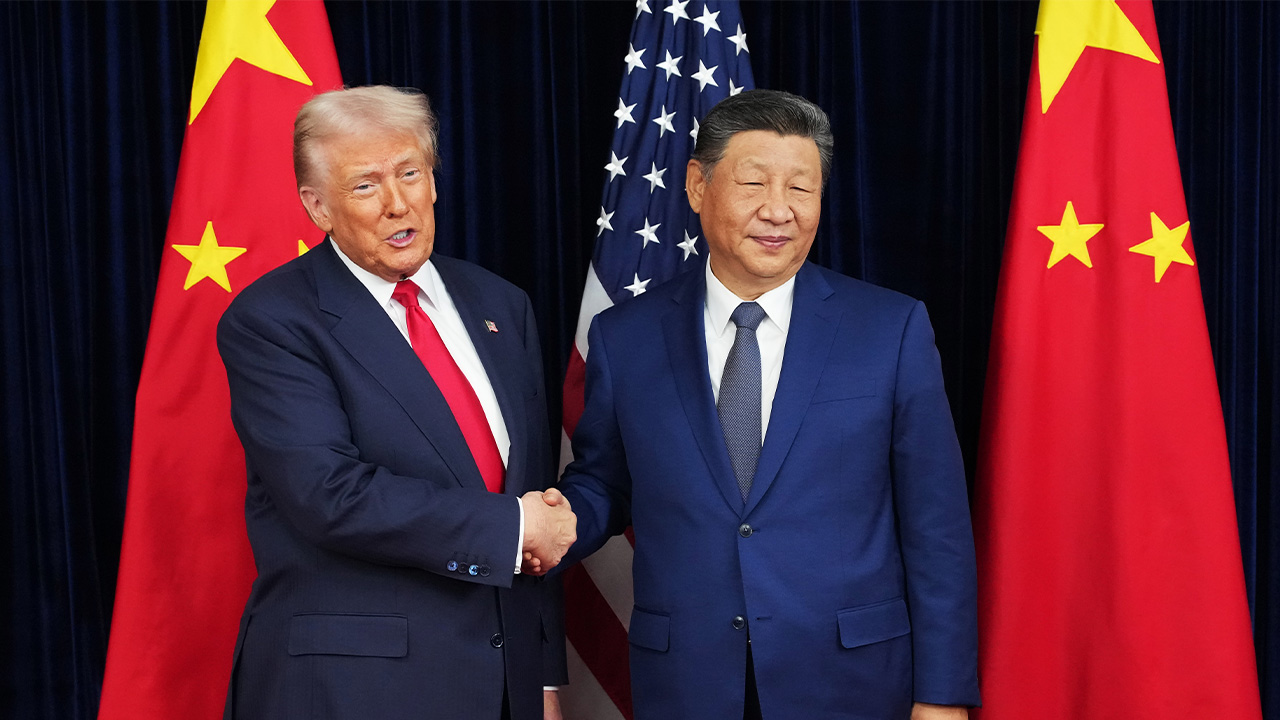
The White House has announced a significant trade agreement between President Donald Trump and Chinese President Xi Jinping, following a bilateral meeting in Busan, South Korea on October 30, 2025. This landmark deal aims to ease tensions between the two largest economies in the world and includes various concessions aimed at fostering better economic relations.
The administration characterized this agreement as a “massive victory” for the United States, emphasizing its potential to protect economic strength and national security while prioritizing American workers, farmers, and families. As detailed in a White House news release, the deal encompasses reductions in U.S. tariffs and Chinese commitments on several critical issues, including the trade of agricultural goods and the flow of fentanyl precursor chemicals.
In a concrete outline of the agreement, China has committed to several key actions. These include suspending new export controls on rare earth elements and issuing general licenses for the exports of rare earths, gallium, germanium, antimony, and graphite. Additionally, China will take “significant measures” to curb the flow of fentanyl into the U.S. and lift retaliatory tariffs imposed since March on U.S. agricultural products, notably soybeans, pork, corn, and dairy goods.
The specifics of China’s commitments also include purchasing 12 million metric tons of U.S. soybeans by the end of the year and pledging to buy 25 million tons annually through 2028. Furthermore, China has agreed to resume imports of U.S. sorghum and hardwood logs, as well as trade from Nexperia’s chip facilities in China. This also involves lifting sanctions that were previously enacted in response to U.S. investigations into China’s maritime, logistics, and shipbuilding sectors.
In exchange for these concessions, the United States will reduce tariffs on Chinese imports by 10 percentage points beginning on November 10, 2025, while maintaining higher reciprocal tariffs suspended until November 10, 2026. The U.S. will also extend certain Section 301 tariff exclusions through November 10, 2026 and delay enforcement of new export rules targeting affiliates of blacklisted Chinese firms.
The White House hailed this agreement as part of a series of “historic wins for the American people” during Trump’s trip to Asia. Alongside this trade deal with China, the visit also resulted in new agreements with Malaysia and Cambodia and established frameworks for negotiations with Thailand and Vietnam. Investment commitments were secured from both Japan and South Korea, further solidifying the outcomes of this diplomatic effort.
“This trade and economic deal caps President Trump’s successful trip to Asia, where he delivered a series of historic wins for the American people,” stated the White House. As the global economy continues to navigate challenges, this agreement marks a pivotal moment in U.S.-China relations and sets the stage for future engagement between the two nations.

Philadelphia Parks Launch Free Earth Month Events Starting April 1

Bradford’s Fish Fry Fridays Serve Community with Delicious Dinners

Trump Faces Growing Challenges Amid Rising Tensions with Iran

Scientists Probe the Universe’s Missing Topological Defects

Samsung Galaxy Watch 9 to Feature Larger 435mAh Battery

UConn Huskies Aim to Defend Title in 2026 NCAA Women’s Tournament

U.S. Littoral Combat Ships Dock in Malaysia Amid Regional Tensions

Healthy Choice Wellness Reports Quarterly Earnings, Shares Rise

Urgent News: Charles M. Payment Passes Away at 78 in Duluth

University of Hawaiʻi Joins $25.6M AI Project to Enhance Disaster Monitoring

Major Grant Enhances Cancer Care and Research in Hawaiʻi

Joleen Chaney, Beloved Journalist, Passes Leaving Lasting Legacy

San Francisco’s SFO to Welcome 16 Airlines with Nonstop Flights to Europe in 2026

Goldman Sachs Unveils 2026 Catalyst Playbook for Biotech Investors

Discover Top Business Smartphones for Professionals in 2026

Urgent Update: Tom Aspinall’s Vision Deteriorates After UFC 321

Texas Roadhouse Honors Veterans with Free Meal Vouchers

CD Projekt Red Confirms No Release for The Witcher 4 in 2026
-
Science9 months ago
University of Hawaiʻi Joins $25.6M AI Project to Enhance Disaster Monitoring
-
 Health8 months ago
Major Grant Enhances Cancer Care and Research in Hawaiʻi
-
 Top Stories9 months ago
Joleen Chaney, Beloved Journalist, Passes Leaving Lasting Legacy
-
 World7 months ago
San Francisco’s SFO to Welcome 16 Airlines with Nonstop Flights to Europe in 2026
-
 Business8 months ago
Goldman Sachs Unveils 2026 Catalyst Playbook for Biotech Investors
-
 Business7 months ago
Discover Top Business Smartphones for Professionals in 2026
-
 Top Stories9 months ago
Urgent Update: Tom Aspinall’s Vision Deteriorates After UFC 321
-
 Lifestyle9 months ago
Texas Roadhouse Honors Veterans with Free Meal Vouchers
-
 Entertainment8 months ago
CD Projekt Red Confirms No Release for The Witcher 4 in 2026
-

 Top Stories10 months ago
AI Disruption: AWS Faces Threat as Startups Shift Cloud Focus
-

 Health10 months ago
MIT Scientists Uncover Surprising Genomic Loops During Cell Division
-

 Entertainment10 months ago
Discover the Full Map of Pokémon Legends: Z-A’s Lumiose City