
Business
California Lawmakers Push for Nuclear Energy Revival Amid Supply Concerns

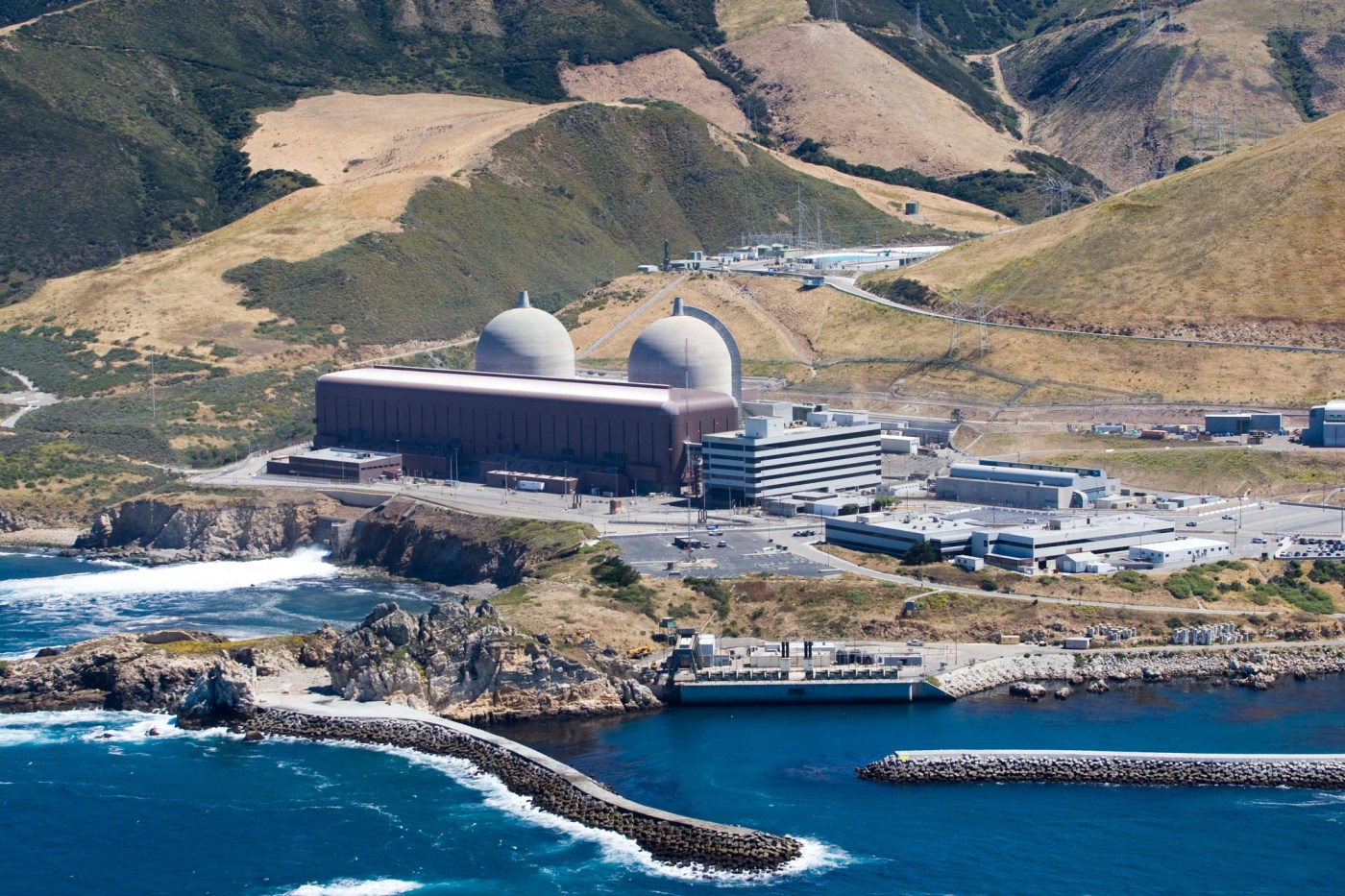
California is taking significant steps toward expanding its nuclear energy capabilities, a move that could reshape the state’s energy landscape. A bipartisan coalition of lawmakers introduced legislation aimed at exempting nuclear reactors approved by the Nuclear Regulatory Commission since 2005 from California’s long-standing moratorium on new nuclear builds. This legislative effort, spearheaded by Democratic Assemblymembers Lisa Calderon, John Harabedian, and Alex Lee, along with Republican Senator Brian Jones, marks a pivotal shift in the state’s energy policy.
Historically, California has had a complicated relationship with nuclear energy. The state was the first in the nation to impose a moratorium on new reactors in 1976, shortly before the Three Mile Island incident heightened public concern about the safety of nuclear power. This moratorium led to a stagnation of the nuclear sector in California, despite the fact that nuclear energy is one of the cleanest and safest energy sources available.
The recent legislative proposal seeks to include advanced reactor designs, such as the AP1000, which is currently utilized in the Vogtle Units 3 and 4 in Georgia. This initiative is particularly noteworthy as it comes at a time when California faces rising electricity demand and ambitious environmental goals. The collaboration across party lines signals a growing recognition that nuclear energy may play a crucial role in achieving a reliable and sustainable energy future.
The backdrop for this legislative push includes California’s ongoing challenges with electricity prices and grid reliability. The state is known for having some of the highest electricity rates in the United States, factors that can be attributed to both external conditions, like wildfires damaging infrastructure, and internal policies such as net metering and renewable portfolio standards. These self-imposed regulations have been linked to higher retail electricity rates, further complicating the state’s energy dynamics.
Following the closure of the San Onofre plant in 2013, California has seen an increase in emissions, raising concerns about its environmental goals. Despite efforts to close the Diablo Canyon nuclear plant, which was expected to shut down in 2025, lawmakers decided in 2022 to extend its operation through 2030. This decision was made in light of the need for grid reliability and emissions reduction, underscoring the importance of maintaining nuclear capacity in California’s energy mix.
The recent legislative initiative is a significant step forward, signaling that California is reconsidering its stance on nuclear energy. It suggests that lawmakers are beginning to view modern nuclear technology, which incorporates advanced safety features, as a viable solution to meet both energy reliability and emissions reduction targets.
The renewed openness to nuclear energy reflects a broader understanding that a balanced approach is needed to power the fourth-largest economy in the world. As California grapples with energy supply challenges and strives for a sustainable future, nuclear energy could emerge as a key player in the state’s energy strategy, providing clean, firm power while addressing cost and reliability issues.
As this legislation progresses, it will be crucial for California to maintain a dialogue about the benefits and safety of nuclear energy. The state’s energy policies must evolve to ensure that reliability, affordability, and environmental sustainability are prioritized. Nuclear power can contribute to all three objectives, offering a path forward for California as it navigates its complex energy landscape.

Philadelphia Parks Launch Free Earth Month Events Starting April 1

Bradford’s Fish Fry Fridays Serve Community with Delicious Dinners

Trump Faces Growing Challenges Amid Rising Tensions with Iran

Scientists Probe the Universe’s Missing Topological Defects

Samsung Galaxy Watch 9 to Feature Larger 435mAh Battery

UConn Huskies Aim to Defend Title in 2026 NCAA Women’s Tournament

U.S. Littoral Combat Ships Dock in Malaysia Amid Regional Tensions

Healthy Choice Wellness Reports Quarterly Earnings, Shares Rise

Urgent News: Charles M. Payment Passes Away at 78 in Duluth

University of Hawaiʻi Joins $25.6M AI Project to Enhance Disaster Monitoring

Major Grant Enhances Cancer Care and Research in Hawaiʻi

Joleen Chaney, Beloved Journalist, Passes Leaving Lasting Legacy

San Francisco’s SFO to Welcome 16 Airlines with Nonstop Flights to Europe in 2026

Goldman Sachs Unveils 2026 Catalyst Playbook for Biotech Investors

Discover Top Business Smartphones for Professionals in 2026

Urgent Update: Tom Aspinall’s Vision Deteriorates After UFC 321

Texas Roadhouse Honors Veterans with Free Meal Vouchers

CD Projekt Red Confirms No Release for The Witcher 4 in 2026
-
Science9 months ago
University of Hawaiʻi Joins $25.6M AI Project to Enhance Disaster Monitoring
-
 Health8 months ago
Major Grant Enhances Cancer Care and Research in Hawaiʻi
-
 Top Stories9 months ago
Joleen Chaney, Beloved Journalist, Passes Leaving Lasting Legacy
-
 World7 months ago
San Francisco’s SFO to Welcome 16 Airlines with Nonstop Flights to Europe in 2026
-
 Business8 months ago
Goldman Sachs Unveils 2026 Catalyst Playbook for Biotech Investors
-
 Business7 months ago
Discover Top Business Smartphones for Professionals in 2026
-
 Top Stories9 months ago
Urgent Update: Tom Aspinall’s Vision Deteriorates After UFC 321
-
 Lifestyle9 months ago
Texas Roadhouse Honors Veterans with Free Meal Vouchers
-
 Entertainment8 months ago
CD Projekt Red Confirms No Release for The Witcher 4 in 2026
-

 Top Stories10 months ago
AI Disruption: AWS Faces Threat as Startups Shift Cloud Focus
-

 Health10 months ago
MIT Scientists Uncover Surprising Genomic Loops During Cell Division
-

 Entertainment10 months ago
Discover the Full Map of Pokémon Legends: Z-A’s Lumiose City