
Business
Germany Faces Industrial Crisis as Green Policies Fail to Deliver

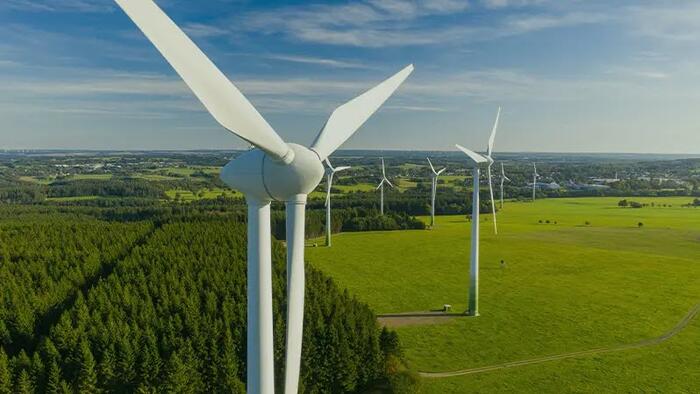
On Thursday, German Chancellor Friedrich Merz convened a summit with leading executives from the German steel industry to address a significant crisis affecting the sector. Since its peak in 2018, German steel production has plummeted by approximately 25 percent. The combination of soaring energy costs, fierce competition from nations like China and India, and the European Union’s push for “green steel” has placed immense pressure on companies, leading many to face insolvency or relocate operations abroad. This meeting marks another attempt by the federal government to find solutions amid escalating challenges, though critics argue that tangible outcomes remain elusive.
The summit highlighted a singular pressing issue: the cost of industrial electricity. Currently, industrial electricity prices in Germany fluctuate between 16–17 cents per kilowatt-hour, significantly higher than those in the United States or France, which benefit from a nuclear energy base. German industries pay up to 70 percent more for electricity compared to their international competitors, a situation that threatens jobs and reduces economic output across the country.
The federal government appears prepared to approve state subsidies aimed at alleviating these costs. According to Katerina Reiche, Germany’s Minister of Economics, subsidies for energy-intensive industries could commence on January 1, 2026. The German Economic Institute estimates that the revised industrial power scheme may cost around €4 billion annually. Previous estimates suggested costs could reach as high as €50 billion, indicating a steep financial burden for taxpayers, who would ultimately fund these initiatives through increased levies or debt financing.
The ongoing intervention reflects a broader trend of escalating subsidies as the government grapples with the consequences of its energy transition strategy. Despite the urgency of the situation, the European Commission’s opposition to the subsidy plan poses a significant hurdle. Strict regulations limit state aid to a maximum of 50 percent of energy consumption and for only three years, leaving industry leaders in a precarious position.
The frequency of these summits underscores a troubling reality: Germany’s ambitious transition to a climate-neutral economy is faltering. Critics point to the Supply Chain Act as a substantial regulatory obstacle. The bureaucratic demands on German companies have prompted the creation of 325,000 additional positions in the past three years, not for production or innovation, but solely to navigate the increasingly complex regulatory landscape.
As state intervention becomes more pronounced, the subsidized industrial electricity price serves as a clear indicator of the shortcomings of Germany’s energy transition. The current policies have made it nearly impossible for energy-intensive production to remain competitive in a global market, particularly with the cessation of cheap Russian gas and the decommissioning of nuclear plants.
With energy costs set to rise further due to geopolitical shifts and regulatory constraints, the U.S. is poised to attract more industrial production, leveraging its lower energy costs. The shift in the U.S. energy sector, particularly during the administration of Donald Trump, has exacerbated the competitive disadvantage faced by German industries.
The summit appears to be more about maintaining the status quo than fostering innovation or sustainable solutions. A subsidized industrial electricity price is merely a temporary fix in a landscape demanding a comprehensive reevaluation of energy policies. The current approach leads to a transfer of resources from one group to another, perpetuating a cycle that many argue is unsustainable.
In conclusion, without a strategic overhaul of environmental regulations and energy sourcing, Germany risks losing its industrial edge and compromising economic stability. Adapting to the realities of the global market will require more than just financial subsidies; it will necessitate a fundamental shift in how energy policies are crafted and implemented. The time for a serious discussion about long-term economic viability and regulatory reform is now.

Philadelphia Parks Launch Free Earth Month Events Starting April 1

Bradford’s Fish Fry Fridays Serve Community with Delicious Dinners

Trump Faces Growing Challenges Amid Rising Tensions with Iran

Scientists Probe the Universe’s Missing Topological Defects

Samsung Galaxy Watch 9 to Feature Larger 435mAh Battery

UConn Huskies Aim to Defend Title in 2026 NCAA Women’s Tournament

U.S. Littoral Combat Ships Dock in Malaysia Amid Regional Tensions

Healthy Choice Wellness Reports Quarterly Earnings, Shares Rise

Urgent News: Charles M. Payment Passes Away at 78 in Duluth

University of Hawaiʻi Joins $25.6M AI Project to Enhance Disaster Monitoring

Major Grant Enhances Cancer Care and Research in Hawaiʻi

Joleen Chaney, Beloved Journalist, Passes Leaving Lasting Legacy

San Francisco’s SFO to Welcome 16 Airlines with Nonstop Flights to Europe in 2026

Goldman Sachs Unveils 2026 Catalyst Playbook for Biotech Investors

Discover Top Business Smartphones for Professionals in 2026

Urgent Update: Tom Aspinall’s Vision Deteriorates After UFC 321

Texas Roadhouse Honors Veterans with Free Meal Vouchers

CD Projekt Red Confirms No Release for The Witcher 4 in 2026
-
Science9 months ago
University of Hawaiʻi Joins $25.6M AI Project to Enhance Disaster Monitoring
-
 Health8 months ago
Major Grant Enhances Cancer Care and Research in Hawaiʻi
-
 Top Stories9 months ago
Joleen Chaney, Beloved Journalist, Passes Leaving Lasting Legacy
-
 World7 months ago
San Francisco’s SFO to Welcome 16 Airlines with Nonstop Flights to Europe in 2026
-
 Business8 months ago
Goldman Sachs Unveils 2026 Catalyst Playbook for Biotech Investors
-
 Business7 months ago
Discover Top Business Smartphones for Professionals in 2026
-
 Top Stories9 months ago
Urgent Update: Tom Aspinall’s Vision Deteriorates After UFC 321
-
 Lifestyle9 months ago
Texas Roadhouse Honors Veterans with Free Meal Vouchers
-
 Entertainment8 months ago
CD Projekt Red Confirms No Release for The Witcher 4 in 2026
-

 Top Stories10 months ago
AI Disruption: AWS Faces Threat as Startups Shift Cloud Focus
-

 Health10 months ago
MIT Scientists Uncover Surprising Genomic Loops During Cell Division
-

 Entertainment10 months ago
Discover the Full Map of Pokémon Legends: Z-A’s Lumiose City