
Business
Supreme Court Ruling Leaves Industry-Specific Tariffs Intact

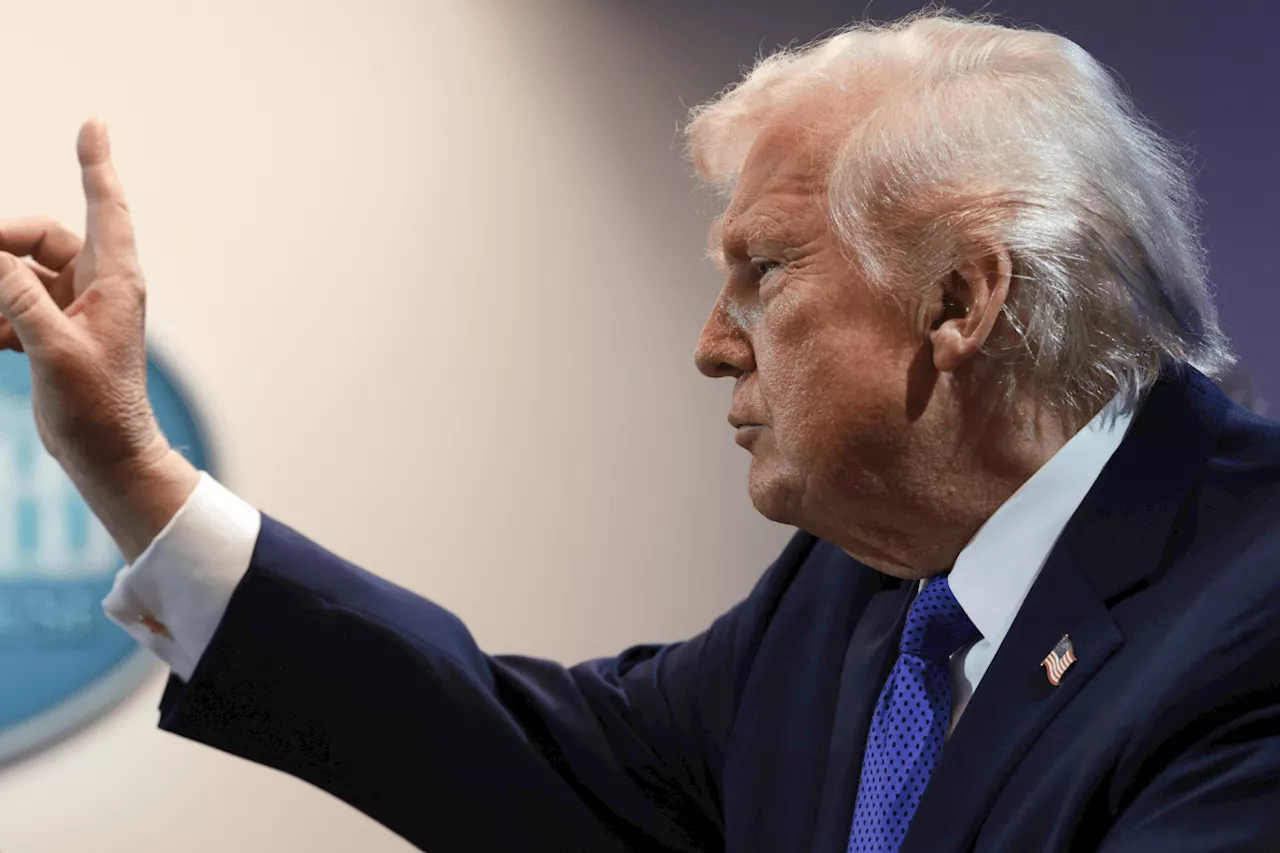
The Supreme Court’s recent ruling did not affect industry-specific tariffs imposed during the Trump administration under national security claims. These tariffs, enacted under Section 232, remain in place for critical sectors such as steel, aluminum, automobiles and parts, lumber, furniture, and selected semiconductors. This decision ensures that levies on various imported goods continue to influence prices and trade dynamics within the U.S. economy.
Tariffs on steel and aluminum imports, as well as those on vehicles and auto parts, will persist, impacting numerous manufactured products. Additionally, certain agricultural imports are still subject to duties, alongside country-specific tariffs that were implemented through different legal frameworks or linked to separate trade actions.
During his presidency, Trump negotiated agreements with several partners, including the United Kingdom and Japan, to reduce auto tariffs to between 10% and 15%. A deal with South Korea was also announced, but the specific details regarding these changes remain unclear. This situation raises the possibility of a protracted dispute over whether companies and consumers will receive any financial relief as a result of the court’s ruling.
The Supreme Court’s decision has drawn mixed reactions from political leaders. Some have expressed disappointment, stating it undermines the executive’s ability to impose tariffs effectively. Critics of the ruling have described it as a setback for American consumers, arguing it constitutes an unlawful tax affecting everyday expenses from groceries to building materials.
Supporters of Trump’s tariff policies assert that these measures have generated billions of dollars in revenue and have strengthened America’s trade position. They contend that tariffs are essential for enforcing fair trade practices and protecting U.S. workers from exploitation.
As the focus shifts to Congress and the Biden administration, lawmakers must now evaluate whether to amend existing trade laws or explore alternative legal avenues to implement new tariffs. Some observers have noted that the language in congressional bills has contributed to the current legal ambiguities surrounding tariffs, complicating the path forward.
In conclusion, the Supreme Court’s ruling has solidified the current tariff regime, leaving significant implications for the U.S. economy. The ongoing discussions in Congress will determine the future landscape of tariffs and trade policy, shaping the interactions between the U.S. and its global trading partners.

Philadelphia Parks Launch Free Earth Month Events Starting April 1

Bradford’s Fish Fry Fridays Serve Community with Delicious Dinners

Trump Faces Growing Challenges Amid Rising Tensions with Iran

Scientists Probe the Universe’s Missing Topological Defects

Samsung Galaxy Watch 9 to Feature Larger 435mAh Battery

UConn Huskies Aim to Defend Title in 2026 NCAA Women’s Tournament

U.S. Littoral Combat Ships Dock in Malaysia Amid Regional Tensions

Healthy Choice Wellness Reports Quarterly Earnings, Shares Rise

Urgent News: Charles M. Payment Passes Away at 78 in Duluth

University of Hawaiʻi Joins $25.6M AI Project to Enhance Disaster Monitoring

Major Grant Enhances Cancer Care and Research in Hawaiʻi

Joleen Chaney, Beloved Journalist, Passes Leaving Lasting Legacy

San Francisco’s SFO to Welcome 16 Airlines with Nonstop Flights to Europe in 2026

Goldman Sachs Unveils 2026 Catalyst Playbook for Biotech Investors

Discover Top Business Smartphones for Professionals in 2026

Urgent Update: Tom Aspinall’s Vision Deteriorates After UFC 321

Texas Roadhouse Honors Veterans with Free Meal Vouchers

CD Projekt Red Confirms No Release for The Witcher 4 in 2026
-
Science9 months ago
University of Hawaiʻi Joins $25.6M AI Project to Enhance Disaster Monitoring
-
 Health8 months ago
Major Grant Enhances Cancer Care and Research in Hawaiʻi
-
 Top Stories9 months ago
Joleen Chaney, Beloved Journalist, Passes Leaving Lasting Legacy
-
 World7 months ago
San Francisco’s SFO to Welcome 16 Airlines with Nonstop Flights to Europe in 2026
-
 Business8 months ago
Goldman Sachs Unveils 2026 Catalyst Playbook for Biotech Investors
-
 Business7 months ago
Discover Top Business Smartphones for Professionals in 2026
-
 Top Stories9 months ago
Urgent Update: Tom Aspinall’s Vision Deteriorates After UFC 321
-
 Lifestyle9 months ago
Texas Roadhouse Honors Veterans with Free Meal Vouchers
-
 Entertainment8 months ago
CD Projekt Red Confirms No Release for The Witcher 4 in 2026
-

 Top Stories10 months ago
AI Disruption: AWS Faces Threat as Startups Shift Cloud Focus
-

 Health10 months ago
MIT Scientists Uncover Surprising Genomic Loops During Cell Division
-

 Entertainment10 months ago
Discover the Full Map of Pokémon Legends: Z-A’s Lumiose City