
Business
Wall Street Strategists Unite: Nvidia Drives 2026 Optimism

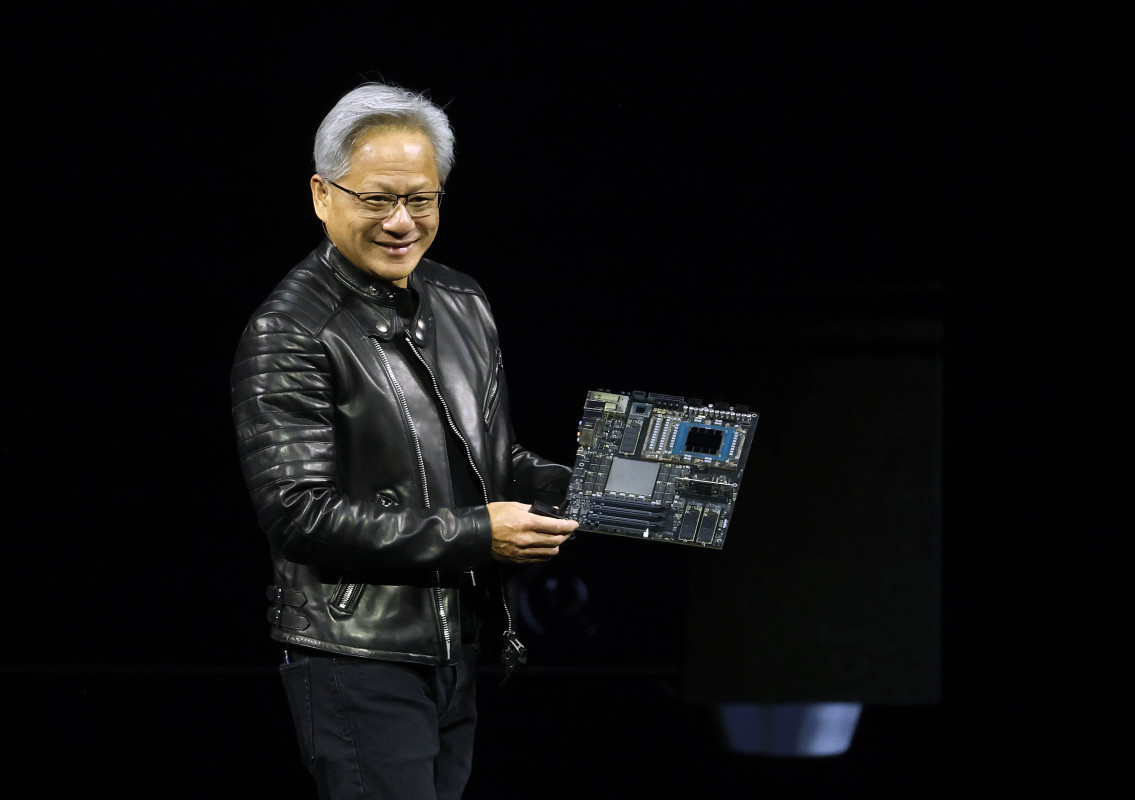
Analysts on Wall Street are notably aligned in their predictions for 2026, with no strategist forecasting a downturn for the S&P 500, according to a comprehensive survey of major broker estimates compiled by Bloomberg. This unanimous outlook provides investors with a rare opportunity to assess a clear “base case” as they navigate the upcoming year. While challenges may arise, the consensus serves as a valuable guide for those looking to capitalize on potential market gains.
The consensus view underscores several key factors that investors should consider. Strategists from CFRA, as reported by Sam Ro, highlight that Nvidia stands out as a pivotal player in this optimistic scenario. The company aligns with critical assumptions such as robust earnings growth, increased spending on artificial intelligence (AI), and a market largely led by major technology firms.
A central question persists as 2026 approaches: Will the AI driving force continue its momentum, or will it falter enough to trigger market instability? With Nvidia identified as the anchor stock for the prevailing bullish thesis, understanding its trajectory becomes crucial for market participants.
Key Considerations for Investors in 2026
The consensus among analysts emphasizes a few essential tenets that investors should monitor closely. Firstly, the expectation is that earnings will grow sufficiently to justify current stock prices. Additionally, interest rates are not anticipated to hinder financial conditions significantly, despite previous inflationary pressures. Furthermore, heightened AI expenditure is projected to remain robust, and the leading companies, predominantly in the tech sector, are expected to maintain their performance.
This consensus essentially functions as a checklist for investors, outlining the critical elements that could influence market dynamics. While a failure of any single pillar may not preclude overall market growth, it could complicate the investment landscape and introduce volatility that tests investor resolve. If the foundational elements of this bullish outlook hold firm, a mid-to-high single-digit return for the S&P 500 may be within reach.
Investors are encouraged to adopt a risk management mindset, shifting away from binary thinking of “all in” or “all out.” Instead, they should contemplate what they are betting on and what indicators would signal a need for reassessment.
Nvidia: The Market’s Litmus Test
Nvidia’s significance extends beyond mere financial metrics; it encapsulates the broader market narrative in a single ticker. The company serves as a proxy for AI capital expenditure, often capturing substantial investments when corporations enhance their AI infrastructure. Additionally, Nvidia’s valuation can be particularly sensitive to market expectations. Rapid price increases usually accompany high expectations, making the stock and, by extension, the sector vulnerable to surprises.
Moreover, the concentration of returns among a limited number of leaders can obscure weaknesses in other market segments. If Nvidia falters, the hidden vulnerabilities across the market could quickly come to light. Thus, while daily fluctuations in Nvidia’s stock may not warrant excessive concern, its performance remains a vital barometer for the overall health of the investment landscape.
Investors are urged to consider four key questions throughout the year to gauge the sustainability of the bullish outlook:
1. **Evaluate the “AI Spend vs. AI Hype” Gap**: Assess the balance between genuine demand and the narrative surrounding AI growth. Real demand is characterized by consistent orders and deployments, while narrative demand often relies on attention-grabbing headlines, which may not translate into tangible results.
2. **Expect Valuations to Act as a Headwind**: The market frequently prices in optimism, anticipating “great” outcomes rather than merely “good.” This expectation can influence the degree of market response to earnings reports, where even modest disappointments can lead to significant stock declines.
3. **Monitor Market Breadth**: A healthy bull market typically features broad participation across multiple sectors. If market gains are predominantly driven by a few large companies like Nvidia, overall investor experience may differ significantly from index performance. Consistent performance from Nvidia, alongside improvements in other sectors, will signal a healthier market environment.
4. **Prepare for Volatility**: Investors should brace for potential market disruptions, even in an overall positive climate. Factors such as Federal Reserve announcements, earnings guidance shifts, geopolitical tensions, and sentiment shifts in AI can create turbulence without necessitating an economic downturn.
Ultimately, while Wall Street’s rare unified optimism for 2026 offers a compelling outlook, investors must remain vigilant and adaptable. By employing a strategic approach that accounts for potential market fluctuations and leveraging Nvidia as a real-time indicator of market health, investors can position themselves effectively. Balancing their portfolios with diversified holdings will mitigate risks and enhance resilience against unforeseen market challenges.

Philadelphia Parks Launch Free Earth Month Events Starting April 1

Bradford’s Fish Fry Fridays Serve Community with Delicious Dinners

Trump Faces Growing Challenges Amid Rising Tensions with Iran

Scientists Probe the Universe’s Missing Topological Defects

Samsung Galaxy Watch 9 to Feature Larger 435mAh Battery

UConn Huskies Aim to Defend Title in 2026 NCAA Women’s Tournament

U.S. Littoral Combat Ships Dock in Malaysia Amid Regional Tensions

Healthy Choice Wellness Reports Quarterly Earnings, Shares Rise

Urgent News: Charles M. Payment Passes Away at 78 in Duluth

University of Hawaiʻi Joins $25.6M AI Project to Enhance Disaster Monitoring

Major Grant Enhances Cancer Care and Research in Hawaiʻi

Joleen Chaney, Beloved Journalist, Passes Leaving Lasting Legacy

San Francisco’s SFO to Welcome 16 Airlines with Nonstop Flights to Europe in 2026

Goldman Sachs Unveils 2026 Catalyst Playbook for Biotech Investors

Discover Top Business Smartphones for Professionals in 2026

Urgent Update: Tom Aspinall’s Vision Deteriorates After UFC 321

Texas Roadhouse Honors Veterans with Free Meal Vouchers

CD Projekt Red Confirms No Release for The Witcher 4 in 2026
-
Science9 months ago
University of Hawaiʻi Joins $25.6M AI Project to Enhance Disaster Monitoring
-
 Health8 months ago
Major Grant Enhances Cancer Care and Research in Hawaiʻi
-
 Top Stories9 months ago
Joleen Chaney, Beloved Journalist, Passes Leaving Lasting Legacy
-
 World7 months ago
San Francisco’s SFO to Welcome 16 Airlines with Nonstop Flights to Europe in 2026
-
 Business8 months ago
Goldman Sachs Unveils 2026 Catalyst Playbook for Biotech Investors
-
 Business8 months ago
Discover Top Business Smartphones for Professionals in 2026
-
 Top Stories10 months ago
Urgent Update: Tom Aspinall’s Vision Deteriorates After UFC 321
-
 Lifestyle9 months ago
Texas Roadhouse Honors Veterans with Free Meal Vouchers
-
 Entertainment8 months ago
CD Projekt Red Confirms No Release for The Witcher 4 in 2026
-

 Top Stories10 months ago
AI Disruption: AWS Faces Threat as Startups Shift Cloud Focus
-

 Health10 months ago
MIT Scientists Uncover Surprising Genomic Loops During Cell Division
-

 Entertainment10 months ago
Discover the Full Map of Pokémon Legends: Z-A’s Lumiose City