
Entertainment
‘Angel’s Egg’ Returns to Theaters, Celebrating Anime’s Visual Mastery

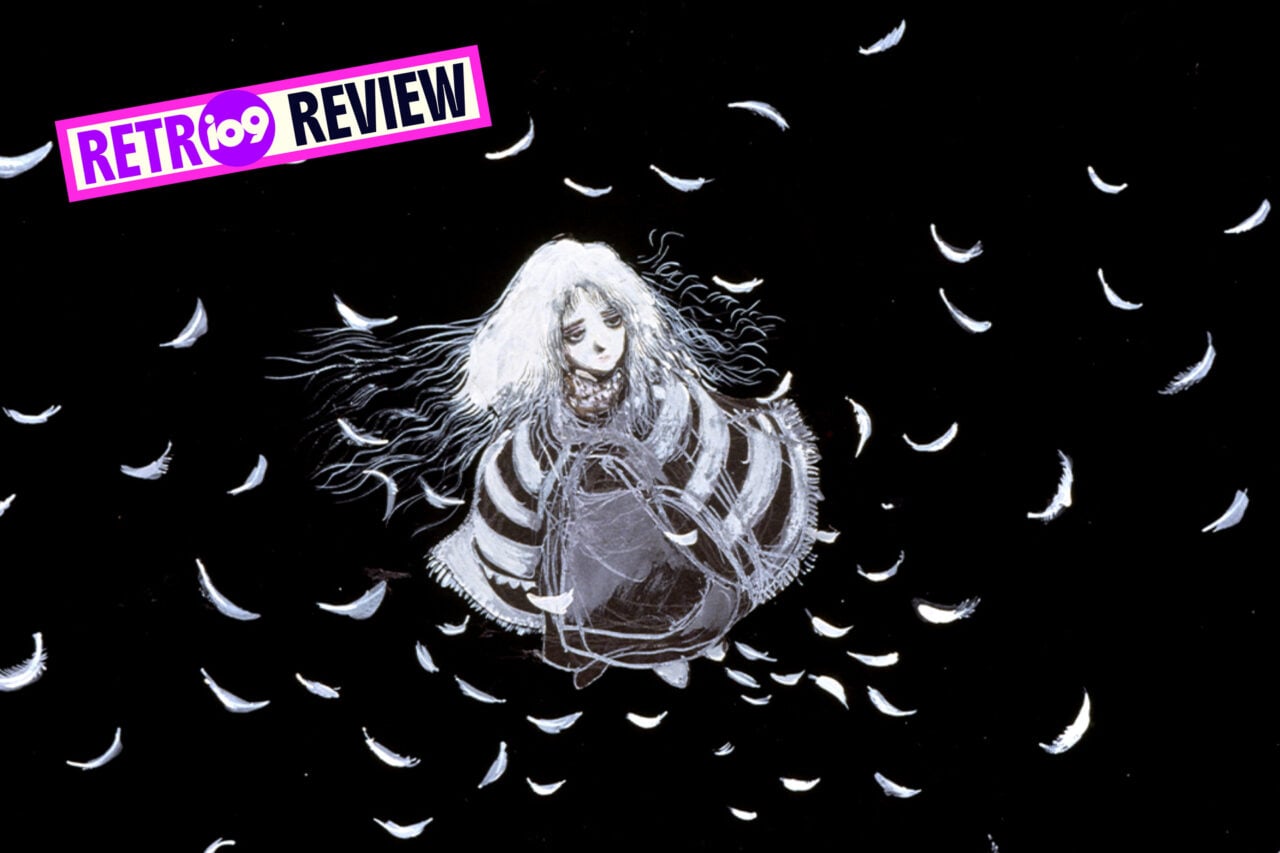
The iconic anime film Angel’s Egg, directed by Mamoru Oshii, makes its return to theaters in a newly restored 4K version, thanks to Gkids. Originally released in 1985, this cult classic continues to captivate audiences with its haunting visual storytelling and minimal dialogue. Its re-release introduces a new generation to a film often regarded as one of the most enigmatic and artistically profound works in the anime genre.
A Visual Journey Through Silence
Angel’s Egg embodies the principle of “show, don’t tell,” immersing viewers in a dreamlike experience rather than a straightforward narrative. The film follows a nameless girl who tends to a mysterious egg, navigating through desolate landscapes filled with striking imagery. Her journey intertwines with that of a boy, also unnamed, who appears to have arrived from another world. Their interactions are sparse, relying on visual cues and an evocative score by Yoshihiro Kanno, creating an atmosphere that resonates deeply with audiences.
Despite its historical struggles—initially bombed at the box office and leaving its director momentarily out of work—Angel’s Egg has since been celebrated as a surreal masterpiece. Its unique approach to storytelling, characterized by a lack of dialogue and an emphasis on visual artistry, sets it apart from contemporary films. This bold choice invites viewers to engage with the film on a more personal level, prompting interpretation rather than dictating meaning.
The film’s opening moments challenge viewers to embrace silence as it begins with a black screen, creating a sense of anticipation. As the story unfolds, its deliberate pacing allows even the smallest visual details to hold significance, emphasizing the beauty found in a bleak world. The meticulous artistry, including backgrounds reminiscent of the works of renowned artist Yoshitaka Amano, enhances the film’s dreamlike quality.
Artistic Impact and Cultural Resonance
Oshii’s unique vision has garnered respect from fellow filmmakers, including Hayao Miyazaki, who acknowledged the film’s artistic merit while suggesting it may not resonate with all audiences. This dichotomy reflects the film’s complexity, which flirts with the abstract and the narrative. As viewers encounter the girl’s pilgrimage and the specter of the egg, they are compelled to ponder the deeper implications of their journey.
Critically, Angel’s Egg engages with themes of environmental decay and existential inquiry. The egg itself symbolizes potential life in a barren world, inviting various interpretations. Is it a commentary on humanity’s relationship with nature, or does it speak to broader spiritual questions? The film’s refusal to offer definitive answers contributes to its status as a cult classic, encouraging multiple viewings and discussions among fans.
The 71-minute runtime, though seemingly brief, is rich with moments that invite reflection. The dynamic between the two characters, marked by subtle gestures and shared silence, captivates audiences. Each scene becomes a tableau of emotions, revealing layers of meaning through the quiet interplay of visuals and sound.
In an era where films often prioritize fast-paced storytelling and dazzling effects, Angel’s Egg stands as a testament to the power of patience in filmmaking. By taking the time to explore its themes and visual poetry, it remains a profound experience that challenges viewers to engage with art on a deeper level.
As the film returns to theaters, it offers audiences a rare opportunity to witness a work that not only defines a genre but also transcends it. Angel’s Egg is more than just a film; it is an experience that encourages introspection and appreciation for the artistry of anime. For those seeking a cinematic encounter that defies conventional storytelling, this restored classic is an essential viewing.
With its current theatrical run, Angel’s Egg invites both new and longtime fans to immerse themselves in its haunting beauty and enigmatic narrative. It reminds us of the transformative power of visual storytelling, making it a must-see for anyone interested in the evolution of anime as an art form.

Philadelphia Parks Launch Free Earth Month Events Starting April 1

Bradford’s Fish Fry Fridays Serve Community with Delicious Dinners

Trump Faces Growing Challenges Amid Rising Tensions with Iran

Scientists Probe the Universe’s Missing Topological Defects

Samsung Galaxy Watch 9 to Feature Larger 435mAh Battery

UConn Huskies Aim to Defend Title in 2026 NCAA Women’s Tournament

U.S. Littoral Combat Ships Dock in Malaysia Amid Regional Tensions

Healthy Choice Wellness Reports Quarterly Earnings, Shares Rise

Urgent News: Charles M. Payment Passes Away at 78 in Duluth

University of Hawaiʻi Joins $25.6M AI Project to Enhance Disaster Monitoring

Major Grant Enhances Cancer Care and Research in Hawaiʻi

Joleen Chaney, Beloved Journalist, Passes Leaving Lasting Legacy

San Francisco’s SFO to Welcome 16 Airlines with Nonstop Flights to Europe in 2026

Goldman Sachs Unveils 2026 Catalyst Playbook for Biotech Investors

Discover Top Business Smartphones for Professionals in 2026

Urgent Update: Tom Aspinall’s Vision Deteriorates After UFC 321

Texas Roadhouse Honors Veterans with Free Meal Vouchers

CD Projekt Red Confirms No Release for The Witcher 4 in 2026
-
Science9 months ago
University of Hawaiʻi Joins $25.6M AI Project to Enhance Disaster Monitoring
-
 Health8 months ago
Major Grant Enhances Cancer Care and Research in Hawaiʻi
-
 Top Stories9 months ago
Joleen Chaney, Beloved Journalist, Passes Leaving Lasting Legacy
-
 World7 months ago
San Francisco’s SFO to Welcome 16 Airlines with Nonstop Flights to Europe in 2026
-
 Business8 months ago
Goldman Sachs Unveils 2026 Catalyst Playbook for Biotech Investors
-
 Business8 months ago
Discover Top Business Smartphones for Professionals in 2026
-
 Top Stories9 months ago
Urgent Update: Tom Aspinall’s Vision Deteriorates After UFC 321
-
 Lifestyle9 months ago
Texas Roadhouse Honors Veterans with Free Meal Vouchers
-
 Entertainment8 months ago
CD Projekt Red Confirms No Release for The Witcher 4 in 2026
-

 Top Stories10 months ago
AI Disruption: AWS Faces Threat as Startups Shift Cloud Focus
-

 Health10 months ago
MIT Scientists Uncover Surprising Genomic Loops During Cell Division
-

 Entertainment10 months ago
Discover the Full Map of Pokémon Legends: Z-A’s Lumiose City