
Entertainment
Funding Crisis Forces Closure of Remake, A Fashion Advocacy Leader

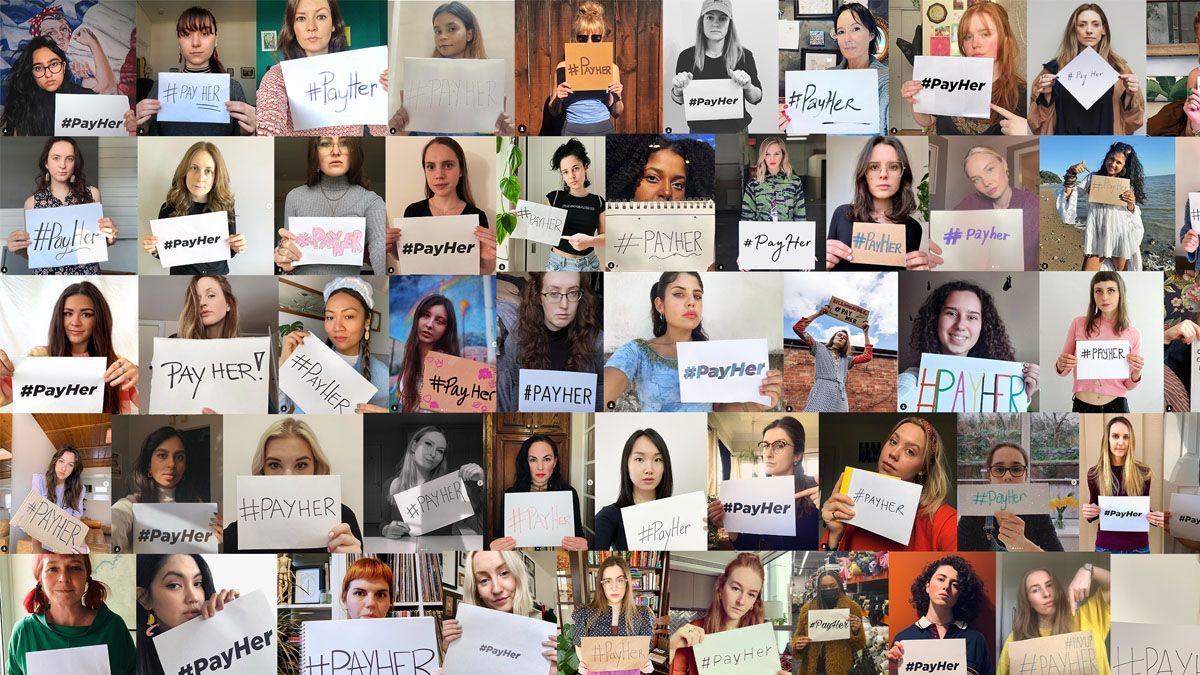
The Californian fashion advocacy organization Remake will cease operations this week due to significant funding challenges. In a statement released on February 19, 2024, the non-governmental organization (NGO) announced its closure, highlighting that it could no longer sustain its operations after a decade of advocacy. Known for its impactful #PayUp campaign, which urged global brands to honor $22 billion in canceled orders during the COVID-19 pandemic, Remake’s shutdown reflects broader issues within the NGO sector.
Remake’s struggles are echoed across the landscape of non-profits as they grapple with diminishing financial support. Various NGOs have reported that the current geopolitical situation has led to reductions in humanitarian aid budgets, compelling funders to adopt a more cautious approach. This trend often results in demands for higher returns on investments, creating a challenging environment for organizations reliant on philanthropy.
Ayesha Barenblat, founder of Remake, emphasized the shifting dynamics in donor behavior. “Donors can be fickle,” she stated, noting that many high-net-worth individuals (HNWIs) in the United States have become more conservative in their giving following the 2024 election cycle. According to a report from the Center for Effective Philanthropy, 61% of U.S. NGOs anticipate losing funding from foundations by 2026, while 53% expect a decline in individual donor contributions this year.
The impact of government funding cuts is equally concerning. The U.S. Agency for International Development (USAID) has faced significant budget reductions, particularly during the second term of President Donald Trump, which saw a cut of approximately $31 billion from its international affairs budget. Research indicates that the Official Development Assistance (ODA) from 34 countries in the OECD’s Development Assistance Committee is forecasted to decrease by $42.6 billion in 2024 compared to 2023 levels.
Several European governments have also reduced their funding for NGOs. For instance, the Dutch government announced a 70% cut in NGO funding, amounting to €1 billion over five years. Similarly, the British government is implementing a three-year reduction plan for foreign aid, which will result in the lowest spending levels since 1999.
NGOs play a critical role in holding the fashion industry accountable for its social and environmental impacts. They mobilize communities, launch advocacy campaigns, and produce educational programs to foster transparency and track industry progress. Remake, alongside its #PayUp initiative, was instrumental in the passage of California’s Garment Worker Protection Act in 2021. The organization also conducted annual assessments of major fashion brands on issues related to environmental justice and supply chain transparency.
Without the monitoring and advocacy provided by organizations like Remake, there is a risk that the fashion industry will regress on its commitments to ethical practices. “That’s really problematic,” said Ineke Zeldenrust, international coordinator for the Clean Clothes Campaign (CCC). “The fashion industry is not just destroying lives; it is also consuming itself by overusing raw materials.”
The funding challenges faced by NGOs have led to a significant reduction in their operational capacity. CCC, founded in 1989 and comprising over 220 organizations, has seen a 40% staff reduction due to funding losses. Zeldenrust explained that their traditional funding sources, which were split evenly between government assistance and private philanthropy, have become increasingly unstable.
Consequently, many organizations have shifted to seeking program-specific funding rather than general support. Shruti Singh, director of Fashion Revolution India, noted that this focus on project-based funding leads to shorter fundraising cycles, hindering the ability to build sustainable capacity. Funders now demand more measurable results, often overlooking the intangible impacts of advocacy work.
Increasing reporting requirements have also complicated the funding landscape. Christina Dean, founder of the NGO Redress, highlighted the trend of funders seeking more rigorous accountability. “We’ve seen much heavier due diligence,” she remarked, noting that this has forced organizations to make difficult staffing cuts in response to funding delays.
To maintain independence, organizations like CCC and Remake have refrained from accepting funding from fashion brands. Barenblat explained that consulting for brands would compromise their watchdog role. In contrast, Redress has sought partnerships with brands for programs such as clothing collection initiatives, but Dean acknowledged the challenges in securing reliable funding from an industry facing its own financial obstacles.
As part of their strategy to diversify funding sources, CCC launched a small donor program in 2024. Although it currently represents a small fraction of their total donations, Zeldenrust noted it has shown promising growth. Singh emphasized the necessity of a balanced funding approach, combining core funding, project financing, and citizen-based contributions to navigate the unpredictable landscape.
The NGO sector may also benefit from a focus on organizations that specialize in specific sustainability issues. Singh cited The Or Foundation, known for tackling textile waste in Accra, Ghana. The foundation secured a controversial $15 million partnership with Shein to support its work, indicating the potential for more strategic collaborations within the industry.
As Remake concludes its operations, Barenblat reflects on the past decade of activism, drawing inspiration from Jane Fonda‘s words about activism being a relay race. She believes the global community of activists that supported Remake will continue the fight for sustainable fashion. “Our 3,000 Changemakers in 80 countries have expressed their commitment to keep organizing and advocating,” she said. “The seeds you’ve planted will continue to bloom.”

Philadelphia Parks Launch Free Earth Month Events Starting April 1

Bradford’s Fish Fry Fridays Serve Community with Delicious Dinners

Trump Faces Growing Challenges Amid Rising Tensions with Iran

Scientists Probe the Universe’s Missing Topological Defects

Samsung Galaxy Watch 9 to Feature Larger 435mAh Battery

UConn Huskies Aim to Defend Title in 2026 NCAA Women’s Tournament

U.S. Littoral Combat Ships Dock in Malaysia Amid Regional Tensions

Healthy Choice Wellness Reports Quarterly Earnings, Shares Rise

Urgent News: Charles M. Payment Passes Away at 78 in Duluth

University of Hawaiʻi Joins $25.6M AI Project to Enhance Disaster Monitoring

Major Grant Enhances Cancer Care and Research in Hawaiʻi

Joleen Chaney, Beloved Journalist, Passes Leaving Lasting Legacy

San Francisco’s SFO to Welcome 16 Airlines with Nonstop Flights to Europe in 2026

Goldman Sachs Unveils 2026 Catalyst Playbook for Biotech Investors

Discover Top Business Smartphones for Professionals in 2026

Urgent Update: Tom Aspinall’s Vision Deteriorates After UFC 321

Texas Roadhouse Honors Veterans with Free Meal Vouchers

CD Projekt Red Confirms No Release for The Witcher 4 in 2026
-
Science9 months ago
University of Hawaiʻi Joins $25.6M AI Project to Enhance Disaster Monitoring
-
 Health8 months ago
Major Grant Enhances Cancer Care and Research in Hawaiʻi
-
 Top Stories9 months ago
Joleen Chaney, Beloved Journalist, Passes Leaving Lasting Legacy
-
 World7 months ago
San Francisco’s SFO to Welcome 16 Airlines with Nonstop Flights to Europe in 2026
-
 Business8 months ago
Goldman Sachs Unveils 2026 Catalyst Playbook for Biotech Investors
-
 Business7 months ago
Discover Top Business Smartphones for Professionals in 2026
-
 Top Stories9 months ago
Urgent Update: Tom Aspinall’s Vision Deteriorates After UFC 321
-
 Lifestyle9 months ago
Texas Roadhouse Honors Veterans with Free Meal Vouchers
-
 Entertainment8 months ago
CD Projekt Red Confirms No Release for The Witcher 4 in 2026
-

 Top Stories10 months ago
AI Disruption: AWS Faces Threat as Startups Shift Cloud Focus
-

 Health10 months ago
MIT Scientists Uncover Surprising Genomic Loops During Cell Division
-

 Entertainment10 months ago
Discover the Full Map of Pokémon Legends: Z-A’s Lumiose City