
Entertainment
Jesse Jackson’s Legacy: Championing Hip-Hop as a Voice for Change

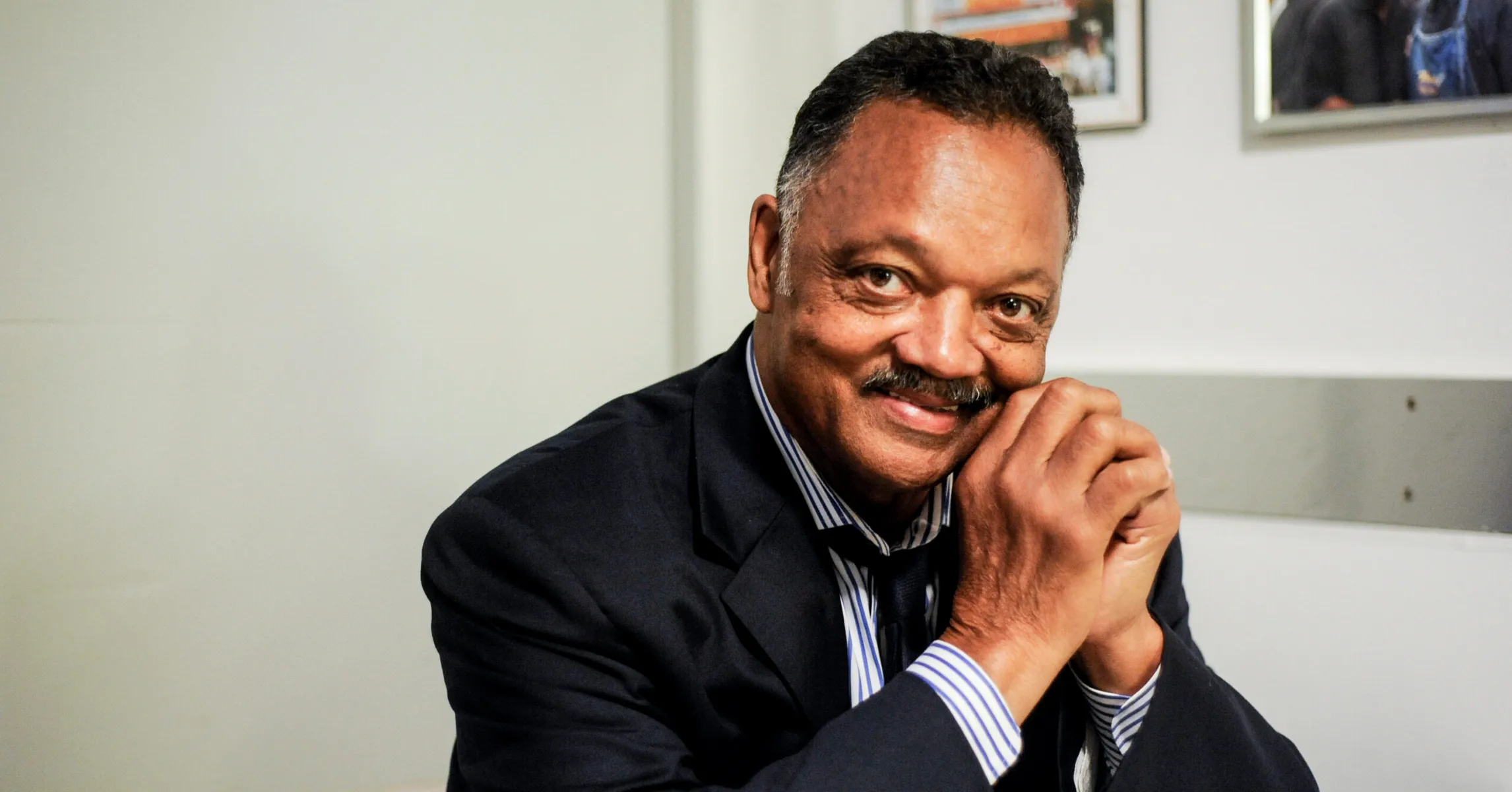
The passing of civil rights leader Jesse Jackson on February 17, 2026, at the age of 84, marks a significant loss for a figure who recognized the transformative power of hip-hop. Jackson’s connection to the genre was rooted in his commitment to civil rights, viewing rap not merely as entertainment but as a vital extension of the Black freedom struggle. His insights into the genre’s potential for activism remain influential, echoing through the voices of marginalized communities worldwide.
Hip-hop emerged as a cultural force in the United States during the late 20th century, evolving from grassroots movements in urban areas to a global phenomenon. It reflects the political urgency and moral foundations laid by leaders like Jackson during the civil rights era. This genre has become synonymous with the voices of communities confronting marginalization across continents, from Europe to Africa, Asia, and Latin America.
Jesse Jackson began his activism in the 1960s, marching alongside Martin Luther King Jr., and continued to challenge systemic racism throughout his life. His approach to hip-hop was unique; he viewed it as a potential ally in the fight for social justice. While many politicians and media figures criticized hip-hop during the late 1980s and 1990s, labeling it as a negative influence, Jackson argued for its legitimacy as a form of political expression.
In this context, Jackson’s relationship with the genre was complex. He acknowledged the issues within hip-hop, including misogyny and violence, while defending its right to exist as political speech. This balance positioned him as a bridge between hip-hop’s cultural significance and its political implications. His influence extended to artists like Nas and groups such as Public Enemy, who recognized him as part of the broader heritage of Black leadership.
One of the most notable intersections between Jackson and hip-hop occurred in 2005, when Kanye West famously interrupted a telethon for Hurricane Katrina relief. West’s declaration, “George Bush doesn’t care about Black people,” resonated with Jackson’s long-standing advocacy for the marginalized and became emblematic of prophetic protest speech. Jackson supported the underlying message of West’s words, asserting that the suffering of Black residents in New Orleans highlighted a historical disregard for their plight.
In Chicago, where much of Jackson’s activism unfolded, his influence on hip-hop was felt deeply. During an interview with The Breakfast Club, hip-hop pioneer Kurtis Blow recalled how Jackson viewed hip-hop artists as the next generation of civil rights leaders. This sentiment resonated with early artists, encouraging them to adopt a code of ethics that promoted discipline and respectability to gain mainstream acceptance.
Jackson’s outreach efforts, particularly through the Rainbow PUSH Coalition, integrated hip-hop’s community-driven ethos. His advocacy for young people often reflected his belief in the genre’s ability to mobilize grassroots activism. A pivotal moment occurred in 1992 after the Los Angeles riots when rapper and activist Sister Souljah made controversial statements. While then-presidential candidate Bill Clinton criticized her, Jackson defended her right to voice the frustrations of her generation, emphasizing her significance as a representative of broader societal emotions.
Despite his support for hip-hop, Jackson was not blind to the genre’s commercialization and the problematic elements that surfaced as it gained corporate backing. He maintained that while hip-hop had the potential for positive change, it also carried a responsibility to address its own excesses. His approach emphasized a blend of hope and accountability, recognizing the need for artists to reflect critically on their impact.
Although Jackson was not a music mogul or producer, his spirit resonates in contemporary artists who blend personal reflection and social commentary. For instance, Killer Mike channels Jackson’s passionate cadence in his work, merging confession with critique.
In today’s landscape, hip-hop’s ability to challenge political norms is often debated. As the genre faces increasing corporate influence, many artists are hesitant to engage with pressing social issues. Nevertheless, hip-hop remains fundamentally a grassroots movement. It continues to articulate the experiences and aspirations of marginalized communities, ensuring that the echoes of Jesse Jackson’s voice endure in its rhythms and verses.

Philadelphia Parks Launch Free Earth Month Events Starting April 1

Bradford’s Fish Fry Fridays Serve Community with Delicious Dinners

Trump Faces Growing Challenges Amid Rising Tensions with Iran

Scientists Probe the Universe’s Missing Topological Defects

Samsung Galaxy Watch 9 to Feature Larger 435mAh Battery

UConn Huskies Aim to Defend Title in 2026 NCAA Women’s Tournament

U.S. Littoral Combat Ships Dock in Malaysia Amid Regional Tensions

Healthy Choice Wellness Reports Quarterly Earnings, Shares Rise

Urgent News: Charles M. Payment Passes Away at 78 in Duluth

University of Hawaiʻi Joins $25.6M AI Project to Enhance Disaster Monitoring

Major Grant Enhances Cancer Care and Research in Hawaiʻi

Joleen Chaney, Beloved Journalist, Passes Leaving Lasting Legacy

San Francisco’s SFO to Welcome 16 Airlines with Nonstop Flights to Europe in 2026

Goldman Sachs Unveils 2026 Catalyst Playbook for Biotech Investors

Discover Top Business Smartphones for Professionals in 2026

Urgent Update: Tom Aspinall’s Vision Deteriorates After UFC 321

Texas Roadhouse Honors Veterans with Free Meal Vouchers

CD Projekt Red Confirms No Release for The Witcher 4 in 2026
-
Science9 months ago
University of Hawaiʻi Joins $25.6M AI Project to Enhance Disaster Monitoring
-
 Health8 months ago
Major Grant Enhances Cancer Care and Research in Hawaiʻi
-
 Top Stories9 months ago
Joleen Chaney, Beloved Journalist, Passes Leaving Lasting Legacy
-
 World7 months ago
San Francisco’s SFO to Welcome 16 Airlines with Nonstop Flights to Europe in 2026
-
 Business8 months ago
Goldman Sachs Unveils 2026 Catalyst Playbook for Biotech Investors
-
 Business7 months ago
Discover Top Business Smartphones for Professionals in 2026
-
 Top Stories9 months ago
Urgent Update: Tom Aspinall’s Vision Deteriorates After UFC 321
-
 Lifestyle9 months ago
Texas Roadhouse Honors Veterans with Free Meal Vouchers
-
 Entertainment8 months ago
CD Projekt Red Confirms No Release for The Witcher 4 in 2026
-

 Top Stories10 months ago
AI Disruption: AWS Faces Threat as Startups Shift Cloud Focus
-

 Health10 months ago
MIT Scientists Uncover Surprising Genomic Loops During Cell Division
-

 Entertainment10 months ago
Discover the Full Map of Pokémon Legends: Z-A’s Lumiose City