
Health
Choose Wisely: Dental Bridges or Implants for Missing Teeth?

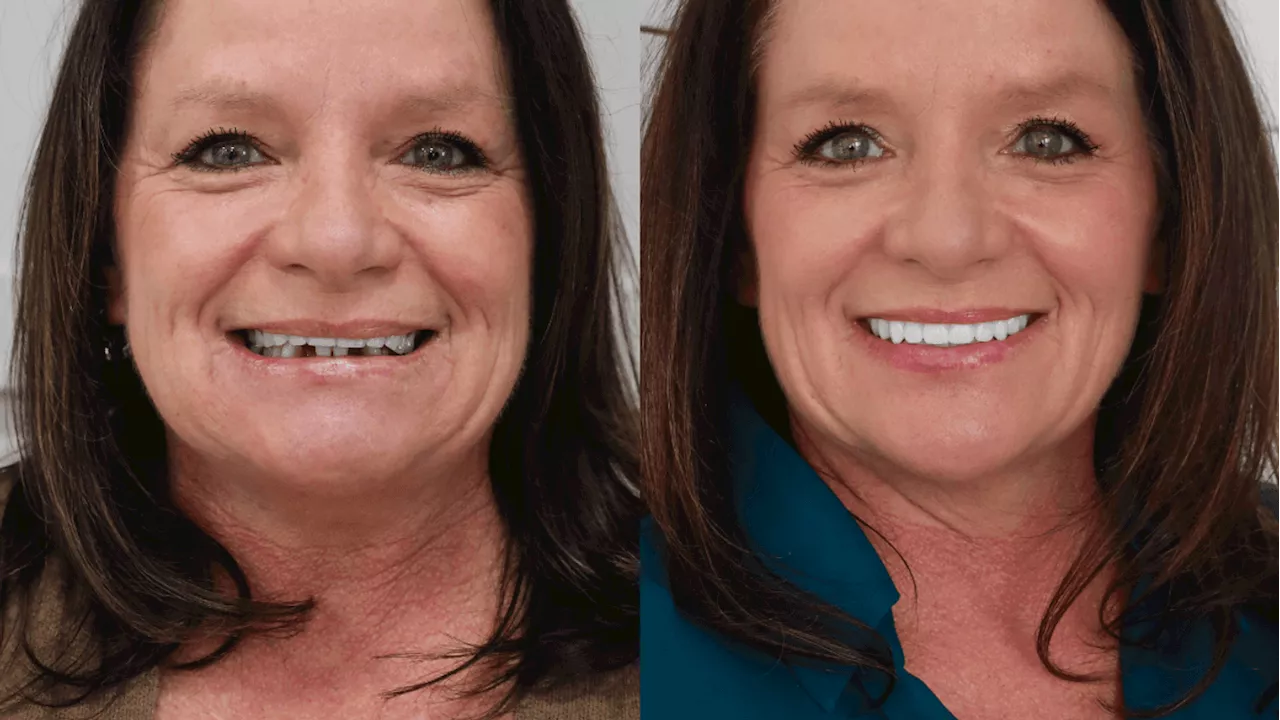
Missing a tooth can significantly affect not only your smile but also your confidence and overall quality of life. In a recent discussion on the show Fresh Living, Dr. David Stubbs from the Stubbs Dental Implant Center highlighted the essential differences between two popular options for tooth replacement: dental bridges and dental implants.
Both treatments aim to restore function and enhance appearance, yet the right choice varies based on individual oral health, lifestyle, and long-term objectives. Dr. Stubbs emphasized the importance of a thorough evaluation by an experienced dental team. Such an assessment ensures that patients receive tailored advice and guidance on selecting the most suitable solution for their needs.
Understanding Dental Bridges and Implants
Dental bridges consist of artificial teeth anchored to adjacent natural teeth or dental implants. They provide a fixed solution for missing teeth and can be a quicker, less invasive option than implants. Typically, bridges can be completed in a matter of weeks, making them appealing for those seeking immediate results.
On the other hand, dental implants involve a surgical procedure where a titanium post is placed directly into the jawbone, serving as a sturdy foundation for artificial teeth. This option mimics the natural tooth structure more closely and often leads to improved long-term oral health. The healing process for implants can take several months, but many patients find the benefits worth the wait.
Dr. Stubbs explained that while both options effectively restore functionality, dental implants may offer additional benefits such as preservation of jawbone density and a more natural appearance. These factors often play a crucial role in a patient’s decision-making process.
Factors in Choosing Your Option
When deciding between a dental bridge and an implant, several factors should be considered. Oral health is paramount; patients with sufficient jawbone density may be better suited for implants, while those with existing dental issues might find bridges to be a more practical choice.
Lifestyle also plays a significant role. For those who prefer a less invasive procedure or require immediate results, bridges may be the way to go. Conversely, individuals willing to undergo a surgical process for long-term benefits might opt for implants.
Dr. Stubbs and his team at Stubbs Dental are committed to helping patients navigate these choices. They provide comprehensive evaluations and answer any questions regarding the procedures, costs, and expected outcomes. Ultimately, the decision should align with personal health needs and future goals.
In conclusion, whether you choose a dental bridge or an implant, understanding the differences and implications of each option is essential. Consulting with a qualified dental professional can guide you toward the best choice for restoring your smile and, by extension, your confidence and quality of life.

Philadelphia Parks Launch Free Earth Month Events Starting April 1

Bradford’s Fish Fry Fridays Serve Community with Delicious Dinners

Trump Faces Growing Challenges Amid Rising Tensions with Iran

Scientists Probe the Universe’s Missing Topological Defects

Samsung Galaxy Watch 9 to Feature Larger 435mAh Battery

UConn Huskies Aim to Defend Title in 2026 NCAA Women’s Tournament

U.S. Littoral Combat Ships Dock in Malaysia Amid Regional Tensions

Healthy Choice Wellness Reports Quarterly Earnings, Shares Rise

Urgent News: Charles M. Payment Passes Away at 78 in Duluth

University of Hawaiʻi Joins $25.6M AI Project to Enhance Disaster Monitoring

Major Grant Enhances Cancer Care and Research in Hawaiʻi

Joleen Chaney, Beloved Journalist, Passes Leaving Lasting Legacy

San Francisco’s SFO to Welcome 16 Airlines with Nonstop Flights to Europe in 2026

Goldman Sachs Unveils 2026 Catalyst Playbook for Biotech Investors

Discover Top Business Smartphones for Professionals in 2026

Urgent Update: Tom Aspinall’s Vision Deteriorates After UFC 321

Texas Roadhouse Honors Veterans with Free Meal Vouchers

CD Projekt Red Confirms No Release for The Witcher 4 in 2026
-
Science9 months ago
University of Hawaiʻi Joins $25.6M AI Project to Enhance Disaster Monitoring
-
 Health8 months ago
Major Grant Enhances Cancer Care and Research in Hawaiʻi
-
 Top Stories9 months ago
Joleen Chaney, Beloved Journalist, Passes Leaving Lasting Legacy
-
 World7 months ago
San Francisco’s SFO to Welcome 16 Airlines with Nonstop Flights to Europe in 2026
-
 Business8 months ago
Goldman Sachs Unveils 2026 Catalyst Playbook for Biotech Investors
-
 Business8 months ago
Discover Top Business Smartphones for Professionals in 2026
-
 Top Stories9 months ago
Urgent Update: Tom Aspinall’s Vision Deteriorates After UFC 321
-
 Lifestyle9 months ago
Texas Roadhouse Honors Veterans with Free Meal Vouchers
-
 Entertainment8 months ago
CD Projekt Red Confirms No Release for The Witcher 4 in 2026
-

 Top Stories10 months ago
AI Disruption: AWS Faces Threat as Startups Shift Cloud Focus
-

 Health10 months ago
MIT Scientists Uncover Surprising Genomic Loops During Cell Division
-

 Entertainment10 months ago
Discover the Full Map of Pokémon Legends: Z-A’s Lumiose City