
Health
Exploring the Rise of Creatine: Benefits and Misconceptions

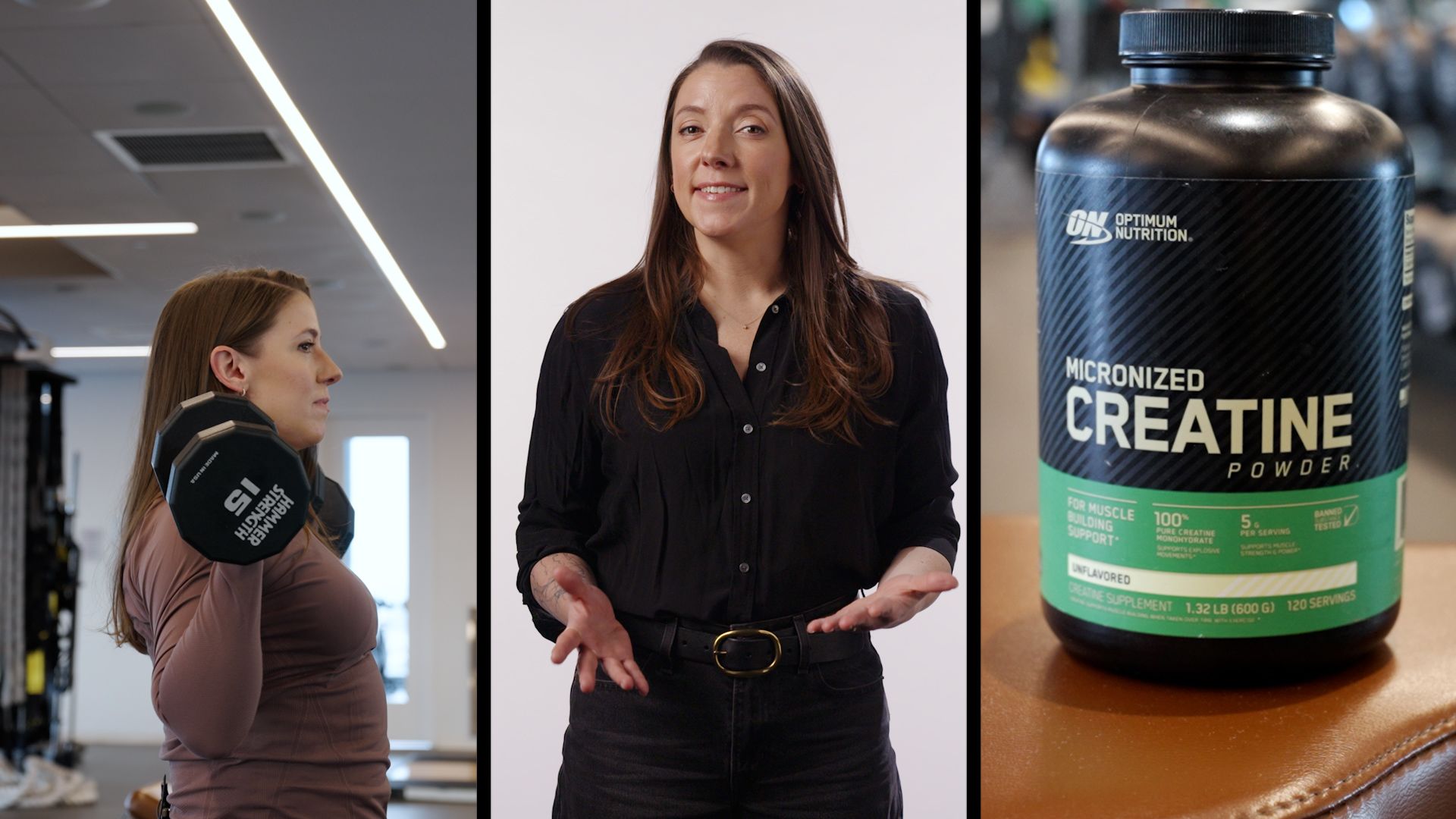
A surge in interest surrounding creatine has transformed it from a niche supplement into a mainstream fitness trend. Once viewed with skepticism, particularly due to its associations with past doping scandals, this compound is now celebrated for its potential benefits in muscle building and cognitive enhancement. According to research, the global market for creatine is projected to exceed $424 million in sales by March 2024, reflecting a growing acceptance among fitness enthusiasts and health-conscious individuals alike.
The Evolution of Creatine’s Reputation
Creatine is a naturally occurring compound found in small amounts in meat and fish, as well as produced by the human body. Traditionally associated with bodybuilders and athletes, it gained notoriety in the late 1990s when former baseball player Mark McGwire publicly acknowledged using it during his pursuit of a home run record. This association with performance enhancement led to skepticism, particularly when combined with steroids in public discourse.
Yet, in recent years, scientific studies have begun to uncover additional benefits of creatine beyond muscle growth. Research indicates it may also assist in combating depression and enhancing cognitive function, particularly among women and older adults. As a result, creatine has emerged as a supplement with broader applications than previously acknowledged.
Understanding the Benefits and Usage
The increasing visibility of creatine in the wellness community has led to a wave of endorsements from fitness influencers and health advocates. Many promote it not only for its muscle-building properties but also for its potential to improve mood and cognitive health. A study published in 2023 found that creatine supplementation could positively influence cognitive function, improving aspects such as memory and attention span.
Dr. Michael Fredericson, a sports medicine physician at Stanford University, supports the growing evidence favoring creatine, stating, “I’m a big, big proponent of creatine. It’s safe and effective for all age groups.” Fredericson emphasizes that there is minimal downside to its use, making it a viable option for many individuals seeking to enhance their physical and mental performance.
Despite these endorsements, users should approach creatine supplementation with caution. Daily intake of about 5 grams is commonly recommended, although some experts suggest that higher doses may yield greater benefits. It is also important to recognize that while creatine may aid recovery and performance, it does not replace the need for proper training and nutrition.
The supplement market remains saturated with various products claiming to deliver health benefits. As consumers navigate these options, understanding the science behind supplements like creatine can empower informed decision-making.
As the popularity of creatine continues to rise, it will be essential for users to remain critical of claims and to consult healthcare professionals when incorporating new supplements into their routines. The potential for creatine to enhance physical performance is evident, but users should remain aware of their individual health needs and objectives.

Philadelphia Parks Launch Free Earth Month Events Starting April 1

Bradford’s Fish Fry Fridays Serve Community with Delicious Dinners

Trump Faces Growing Challenges Amid Rising Tensions with Iran

Scientists Probe the Universe’s Missing Topological Defects

Samsung Galaxy Watch 9 to Feature Larger 435mAh Battery

UConn Huskies Aim to Defend Title in 2026 NCAA Women’s Tournament

U.S. Littoral Combat Ships Dock in Malaysia Amid Regional Tensions

Healthy Choice Wellness Reports Quarterly Earnings, Shares Rise

Urgent News: Charles M. Payment Passes Away at 78 in Duluth

University of Hawaiʻi Joins $25.6M AI Project to Enhance Disaster Monitoring

Major Grant Enhances Cancer Care and Research in Hawaiʻi

Joleen Chaney, Beloved Journalist, Passes Leaving Lasting Legacy

San Francisco’s SFO to Welcome 16 Airlines with Nonstop Flights to Europe in 2026

Goldman Sachs Unveils 2026 Catalyst Playbook for Biotech Investors

Discover Top Business Smartphones for Professionals in 2026

Urgent Update: Tom Aspinall’s Vision Deteriorates After UFC 321

Texas Roadhouse Honors Veterans with Free Meal Vouchers

CD Projekt Red Confirms No Release for The Witcher 4 in 2026
-
Science9 months ago
University of Hawaiʻi Joins $25.6M AI Project to Enhance Disaster Monitoring
-
 Health8 months ago
Major Grant Enhances Cancer Care and Research in Hawaiʻi
-
 Top Stories9 months ago
Joleen Chaney, Beloved Journalist, Passes Leaving Lasting Legacy
-
 World7 months ago
San Francisco’s SFO to Welcome 16 Airlines with Nonstop Flights to Europe in 2026
-
 Business8 months ago
Goldman Sachs Unveils 2026 Catalyst Playbook for Biotech Investors
-
 Business8 months ago
Discover Top Business Smartphones for Professionals in 2026
-
 Top Stories10 months ago
Urgent Update: Tom Aspinall’s Vision Deteriorates After UFC 321
-
 Lifestyle9 months ago
Texas Roadhouse Honors Veterans with Free Meal Vouchers
-
 Entertainment8 months ago
CD Projekt Red Confirms No Release for The Witcher 4 in 2026
-

 Top Stories10 months ago
AI Disruption: AWS Faces Threat as Startups Shift Cloud Focus
-

 Health10 months ago
MIT Scientists Uncover Surprising Genomic Loops During Cell Division
-

 Entertainment10 months ago
Discover the Full Map of Pokémon Legends: Z-A’s Lumiose City