
Health
FDA’s Vinay Prasad Rejects Moderna’s Flu Vaccine Application

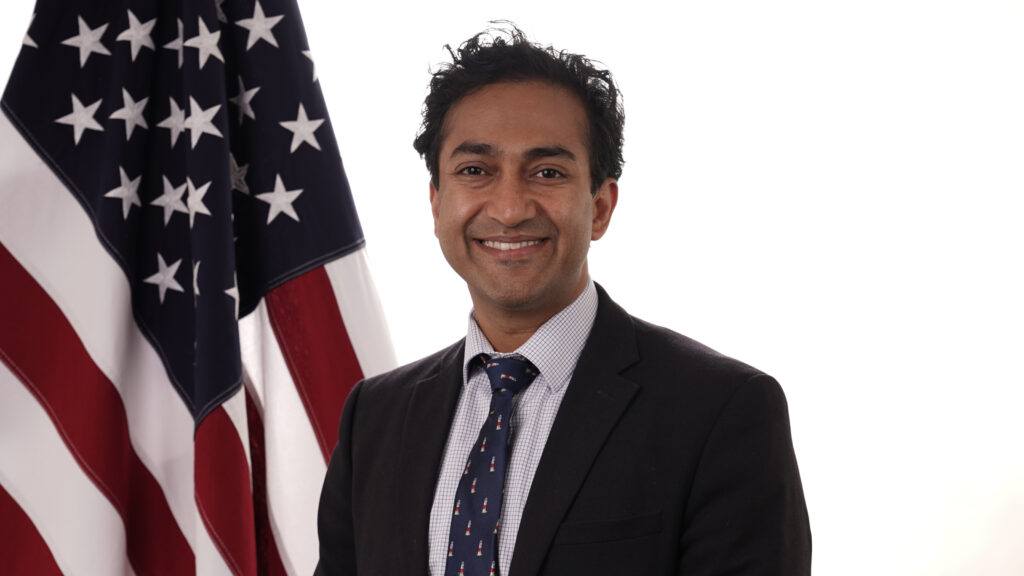
The Food and Drug Administration (FDA) has denied Moderna’s application for a new influenza vaccine, a decision made by Vinay Prasad, a top official at the agency. This unexpected move comes despite the readiness of FDA reviewers to evaluate the application, according to information from three agency officials familiar with the situation.
The decision to reject the application has raised concerns within the scientific community, as it is rare for a center director to override the recommendations of career scientists. David Kaslow, the head of the FDA’s vaccine office, reportedly prepared a detailed memo advocating for the review of Moderna’s submission. This memo was signed by Prasad and dated February 3, 2023. It became public knowledge following a statement from Moderna on Tuesday.
The specifics surrounding Prasad’s decision remain unclear, as a spokesman for the Department of Health and Human Services (HHS) did not provide immediate comments regarding the matter. This rejection not only affects Moderna but also has implications for the broader landscape of vaccine development and public health initiatives aimed at combating influenza.
Implications for Vaccine Development
The implications of this decision could resonate throughout the pharmaceutical industry, particularly among companies developing vaccines. The FDA’s processes are designed to ensure that vaccines are safe and effective before they reach the public. The unusual nature of Prasad’s decision highlights potential tensions within the agency regarding the approval of new vaccines.
There is a growing need for innovations in influenza vaccines, especially considering the ongoing challenges posed by seasonal flu outbreaks. The rejection of Moderna’s application could potentially delay advancements in this area, prompting concerns among healthcare professionals and public health advocates.
Researchers and industry insiders will be closely monitoring the FDA’s future actions regarding vaccine development. The agency’s decisions are critical in shaping the response to public health needs and in maintaining public trust in vaccine safety.
As the situation develops, the scientific community is calling for transparency from the FDA about the decision-making processes involved in vaccine approvals. The focus remains on understanding the rationale behind Prasad’s choice and what it means for future applications from Moderna and other companies in the vaccine space.
This situation underscores the ongoing complexities in public health policy and the importance of collaboration between regulatory bodies and pharmaceutical companies in addressing health crises effectively.

Philadelphia Parks Launch Free Earth Month Events Starting April 1

Bradford’s Fish Fry Fridays Serve Community with Delicious Dinners

Trump Faces Growing Challenges Amid Rising Tensions with Iran

Scientists Probe the Universe’s Missing Topological Defects

Samsung Galaxy Watch 9 to Feature Larger 435mAh Battery

UConn Huskies Aim to Defend Title in 2026 NCAA Women’s Tournament

U.S. Littoral Combat Ships Dock in Malaysia Amid Regional Tensions

Healthy Choice Wellness Reports Quarterly Earnings, Shares Rise

Urgent News: Charles M. Payment Passes Away at 78 in Duluth

University of Hawaiʻi Joins $25.6M AI Project to Enhance Disaster Monitoring

Major Grant Enhances Cancer Care and Research in Hawaiʻi

Joleen Chaney, Beloved Journalist, Passes Leaving Lasting Legacy

San Francisco’s SFO to Welcome 16 Airlines with Nonstop Flights to Europe in 2026

Goldman Sachs Unveils 2026 Catalyst Playbook for Biotech Investors

Discover Top Business Smartphones for Professionals in 2026

Urgent Update: Tom Aspinall’s Vision Deteriorates After UFC 321

Texas Roadhouse Honors Veterans with Free Meal Vouchers

CD Projekt Red Confirms No Release for The Witcher 4 in 2026
-
Science9 months ago
University of Hawaiʻi Joins $25.6M AI Project to Enhance Disaster Monitoring
-
 Health8 months ago
Major Grant Enhances Cancer Care and Research in Hawaiʻi
-
 Top Stories9 months ago
Joleen Chaney, Beloved Journalist, Passes Leaving Lasting Legacy
-
 World7 months ago
San Francisco’s SFO to Welcome 16 Airlines with Nonstop Flights to Europe in 2026
-
 Business8 months ago
Goldman Sachs Unveils 2026 Catalyst Playbook for Biotech Investors
-
 Business7 months ago
Discover Top Business Smartphones for Professionals in 2026
-
 Top Stories9 months ago
Urgent Update: Tom Aspinall’s Vision Deteriorates After UFC 321
-
 Lifestyle9 months ago
Texas Roadhouse Honors Veterans with Free Meal Vouchers
-
 Entertainment8 months ago
CD Projekt Red Confirms No Release for The Witcher 4 in 2026
-

 Top Stories10 months ago
AI Disruption: AWS Faces Threat as Startups Shift Cloud Focus
-

 Health10 months ago
MIT Scientists Uncover Surprising Genomic Loops During Cell Division
-

 Entertainment10 months ago
Discover the Full Map of Pokémon Legends: Z-A’s Lumiose City