
Health
Gen Z Reshapes Drinking Culture with Year-Round Dry January

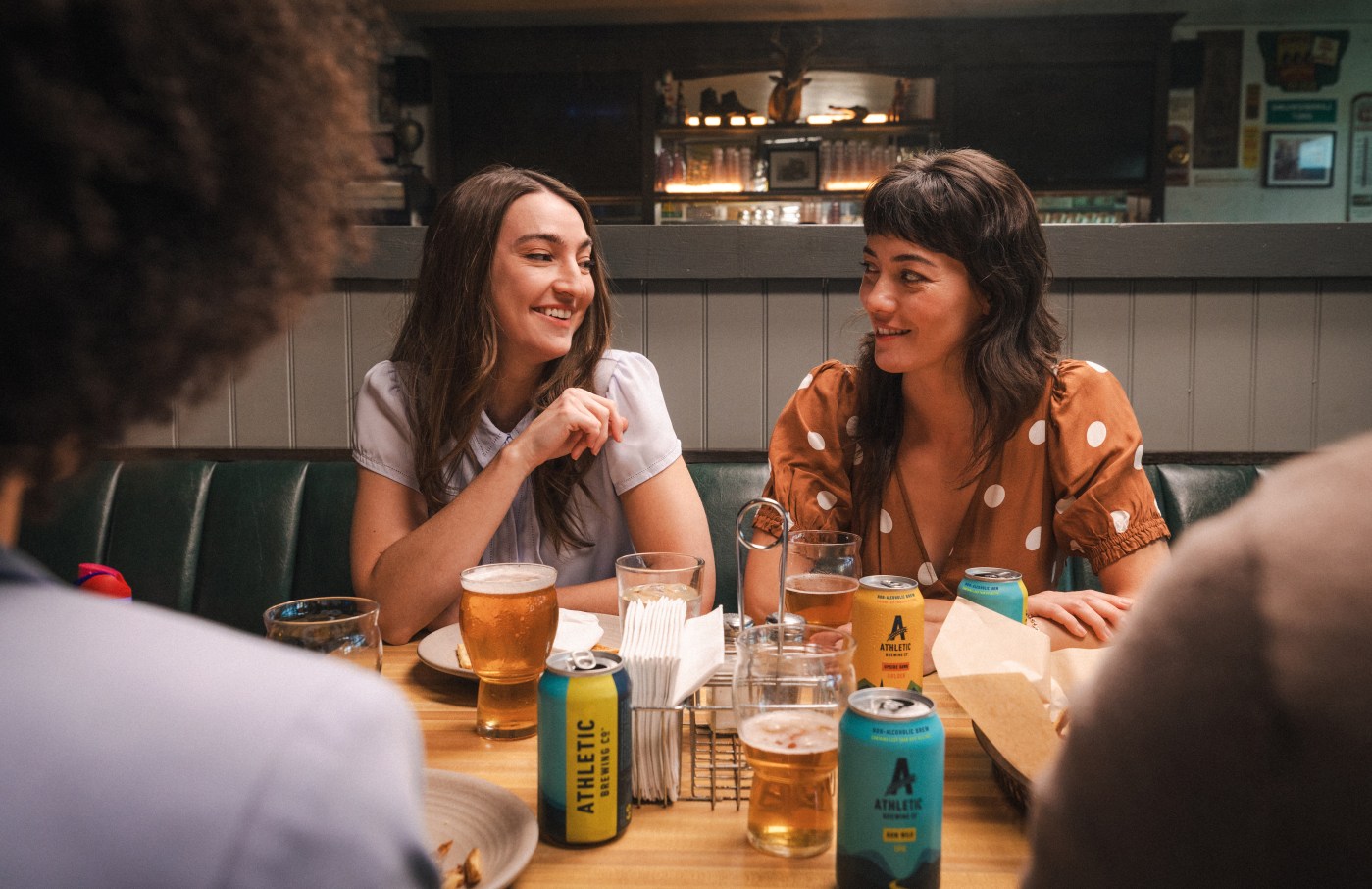
Young people in the United States are redefining the concept of “Dry January,” with many in the Gen Z demographic choosing to embrace sobriety as a year-round lifestyle. This generation, born between 1997 and 2012, is consuming less alcohol than any previous generation. This significant shift is altering social interactions, public health discussions, and even impacting the alcohol industry itself.
Long-term research from Gallup indicates a steady decline in alcohol consumption among younger adults. The percentage of adults under 35 who reported drinking alcohol decreased from 72% in the years 2001-2003 to 62% in 2021-2023. A more recent survey conducted in July 2025 revealed an even sharper drop to 50%, marking the lowest level of alcohol consumption among Americans of legal drinking age in 90 years.
While some studies highlight a decline in overall alcohol consumption, other data presents a more complicated picture. According to the BMO Wine Market Report, based on research from the National Institutes of Health, the share of individuals aged 18 to 20 who reported drinking alcohol has fallen dramatically from nearly 70% to around 35% over the past two decades. For those aged 21 to 25, while the proportion of drinkers remains steady at about 80%, the reported number of servings has decreased by almost half.
Emerging research from IWSR, a drinks market research firm, suggests that while fewer Americans may be drinking, those who do are not significantly cutting back. The proportion of Gen Z adults in the U.S. that reported drinking in the previous six months increased from 46% in 2023 to 70% in 2025, indicating that the drinking habits of this generation may be shifting rather than declining entirely.
Health Awareness and Social Dynamics
Experts cite increased awareness of alcohol’s health risks as a substantial factor influencing this trend. George Koob, director of the National Institute on Alcohol Abuse and Alcoholism, noted that alcohol is now linked to an estimated 4% to 6% of cancer cases in the U.S., making it the third-most preventable cause of cancer following tobacco and obesity. Koob emphasized the importance of listening to one’s body, stating, “If you feel better when you’re not drinking, then you should listen to your body because it’s trying to tell you something.”
Despite the potential health benefits, some researchers express concern about the implications of reduced alcohol consumption on the social lives of young adults. Keanan Joyner, a psychology professor at UC Berkeley, highlighted the declining social connections among young people, referencing a 2023 report by U.S. Surgeon General Dr. Vivek H. Murthy. The report indicated that between 2003 and 2020, social isolation increased by an average of 24 hours per month for Americans, while time spent with friends decreased by 20 hours.
Joyner’s observations reflect a broader trend of young adults feeling increasingly disconnected. He expressed concern for his students, who may prioritize academic obligations over social engagement. “They’re 19. They need to get out,” he remarked.
Echoing these sentiments, Anna Lembke, a psychiatry professor at Stanford University and author of “Dopamine Nation,” cautioned against assuming that reduced alcohol intake correlates with improved well-being. She noted that while young adults are drinking less, they may be substituting alcohol with other forms of escapism, particularly digital media.
Industry Impact and the Rise of Nonalcoholic Options
As drinking habits evolve, the effects are resonating throughout the alcohol industry. Wineries in Sonoma County experienced an average 14% drop in tasting-room visitors in 2024, with an additional 8.4% decline reported by Community Benchmark. In response, the Sonoma County Vintners underwent a major restructuring, including job cuts, due to falling wine sales.
Nationally, Jim Beam paused production at its flagship distillery for a year, while Brown-Forman, the parent company of Jack Daniel’s, laid off 650 employees amid declining demand for alcoholic beverages. The New York Times reported a 5% drop in overall alcohol sales, attributed to reduced consumption and external pressures such as tariffs.
Conversely, the demand for nonalcoholic alternatives has surged. Data from NielsenIQ indicates that nonalcoholic beer now represents over 3% of U.S. beer sales, up from just 0.3% in 2018. The market for nonalcoholic beverages has reached nearly $925 million annually in U.S. off-premise stores.
Companies like Athletic Brewing, a leader in the nonalcoholic beer sector, have capitalized on this shift. The brand has become the eighth-largest craft brewer in the U.S. by volume, with about 20% of Michelin-starred restaurants featuring its products. Co-founder Bill Shufelt views this trend as just beginning, stating, “It’s a trend that’s very early in its adoption.”
In addition to traditional nonalcoholic options, innovative products are emerging. Yasmin Santos, founder of Altar Native, a nonalcoholic bar catering service, has gained attention for her drinks made with plants traditionally associated with relaxation. Following an appearance on NPR, demand for her offerings surged, as she aims to foster authentic connections among young adults.
As the landscape of social drinking continues to shift, the growing preference for nonalcoholic options indicates a significant transformation in how young people approach socializing and well-being. While the decline in alcohol consumption raises questions about social interactions and mental health, it also opens doors for new experiences and connections.

Philadelphia Parks Launch Free Earth Month Events Starting April 1

Bradford’s Fish Fry Fridays Serve Community with Delicious Dinners

Trump Faces Growing Challenges Amid Rising Tensions with Iran

Scientists Probe the Universe’s Missing Topological Defects

Samsung Galaxy Watch 9 to Feature Larger 435mAh Battery

UConn Huskies Aim to Defend Title in 2026 NCAA Women’s Tournament

U.S. Littoral Combat Ships Dock in Malaysia Amid Regional Tensions

Healthy Choice Wellness Reports Quarterly Earnings, Shares Rise

Urgent News: Charles M. Payment Passes Away at 78 in Duluth

University of Hawaiʻi Joins $25.6M AI Project to Enhance Disaster Monitoring

Major Grant Enhances Cancer Care and Research in Hawaiʻi

Joleen Chaney, Beloved Journalist, Passes Leaving Lasting Legacy

San Francisco’s SFO to Welcome 16 Airlines with Nonstop Flights to Europe in 2026

Goldman Sachs Unveils 2026 Catalyst Playbook for Biotech Investors

Discover Top Business Smartphones for Professionals in 2026

Urgent Update: Tom Aspinall’s Vision Deteriorates After UFC 321

Texas Roadhouse Honors Veterans with Free Meal Vouchers

CD Projekt Red Confirms No Release for The Witcher 4 in 2026
-
Science9 months ago
University of Hawaiʻi Joins $25.6M AI Project to Enhance Disaster Monitoring
-
 Health8 months ago
Major Grant Enhances Cancer Care and Research in Hawaiʻi
-
 Top Stories9 months ago
Joleen Chaney, Beloved Journalist, Passes Leaving Lasting Legacy
-
 World7 months ago
San Francisco’s SFO to Welcome 16 Airlines with Nonstop Flights to Europe in 2026
-
 Business8 months ago
Goldman Sachs Unveils 2026 Catalyst Playbook for Biotech Investors
-
 Business8 months ago
Discover Top Business Smartphones for Professionals in 2026
-
 Top Stories9 months ago
Urgent Update: Tom Aspinall’s Vision Deteriorates After UFC 321
-
 Lifestyle9 months ago
Texas Roadhouse Honors Veterans with Free Meal Vouchers
-
 Entertainment8 months ago
CD Projekt Red Confirms No Release for The Witcher 4 in 2026
-

 Top Stories10 months ago
AI Disruption: AWS Faces Threat as Startups Shift Cloud Focus
-

 Health10 months ago
MIT Scientists Uncover Surprising Genomic Loops During Cell Division
-

 Entertainment10 months ago
Discover the Full Map of Pokémon Legends: Z-A’s Lumiose City