
Health
Hidden Heart Risks: Cholesterol Tests May Miss Key Indicator

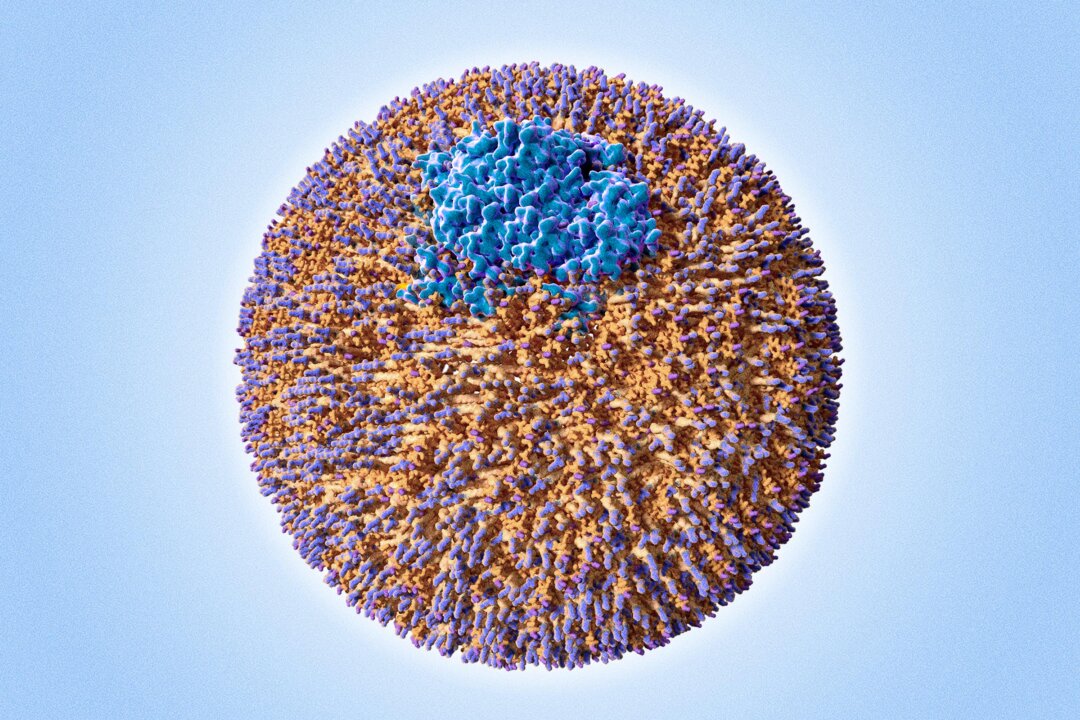
Cholesterol screenings have long relied on familiar metrics such as LDL (“bad” cholesterol), HDL (“good” cholesterol), and triglycerides. Many individuals believe that if these values are within the “normal” range, their risk for heart-related issues is minimal. However, a recent discussion by renowned preventive cardiologist Dr. Seth J. Baum highlights a potential oversight that could leave many at risk.
In an episode of the health program Vital Signs, Dr. Baum pointed out that a cholesterol-related particle known as lipoprotein(a), or Lp(a), can elevate the likelihood of serious conditions like heart attacks, strokes, and aortic valve disease. This risk persists even in individuals whose standard cholesterol screenings appear satisfactory.
Dr. Baum emphasized the significance of Lp(a) in understanding heart disease, stating, “Lp(a) explains a lot of heart disease we used to call bad luck. It’s not bad luck—it’s biology we weren’t measuring.” This assertion draws attention to the limitations of traditional cholesterol tests, suggesting a gap in the assessment of cardiovascular health.
The concern surrounding Lp(a) is not new, but it has gained traction as health professionals seek to better understand heart disease risk factors. Unlike LDL and HDL cholesterol, which can be influenced by diet and lifestyle, Lp(a) levels are largely inherited and remain relatively constant throughout a person’s life. This highlights the necessity for more comprehensive screening methods that go beyond conventional cholesterol tests.
Recent studies suggest that elevated Lp(a) levels may impact approximately one in five individuals, potentially explaining many instances of unexplained heart disease. The World Health Organization has identified cardiovascular diseases as a leading cause of death globally, underlining the importance of early detection and management of risk factors such as Lp(a).
Understanding the role of Lp(a) could change the landscape of preventive cardiology. Patients with a family history of heart disease or those who have experienced cardiovascular events despite normal cholesterol levels should consider discussing Lp(a) testing with their healthcare providers.
As medical professionals continue to explore the implications of Lp(a), the hope is that greater awareness will lead to increased screenings and more personalized treatment approaches. This could ultimately help to reduce the incidence of heart attacks and strokes, providing a clearer picture of individual cardiovascular risk.
Dr. Baum’s insights serve as a crucial reminder that heart health is complex and multifaceted. While traditional cholesterol metrics remain important, understanding additional factors like Lp(a) is vital for effective prevention and treatment strategies.

Philadelphia Parks Launch Free Earth Month Events Starting April 1

Bradford’s Fish Fry Fridays Serve Community with Delicious Dinners

Trump Faces Growing Challenges Amid Rising Tensions with Iran

Scientists Probe the Universe’s Missing Topological Defects

Samsung Galaxy Watch 9 to Feature Larger 435mAh Battery

UConn Huskies Aim to Defend Title in 2026 NCAA Women’s Tournament

U.S. Littoral Combat Ships Dock in Malaysia Amid Regional Tensions

Healthy Choice Wellness Reports Quarterly Earnings, Shares Rise

Urgent News: Charles M. Payment Passes Away at 78 in Duluth

University of Hawaiʻi Joins $25.6M AI Project to Enhance Disaster Monitoring

Major Grant Enhances Cancer Care and Research in Hawaiʻi

Joleen Chaney, Beloved Journalist, Passes Leaving Lasting Legacy

San Francisco’s SFO to Welcome 16 Airlines with Nonstop Flights to Europe in 2026

Goldman Sachs Unveils 2026 Catalyst Playbook for Biotech Investors

Discover Top Business Smartphones for Professionals in 2026

Urgent Update: Tom Aspinall’s Vision Deteriorates After UFC 321

Texas Roadhouse Honors Veterans with Free Meal Vouchers

CD Projekt Red Confirms No Release for The Witcher 4 in 2026
-
Science9 months ago
University of Hawaiʻi Joins $25.6M AI Project to Enhance Disaster Monitoring
-
 Health8 months ago
Major Grant Enhances Cancer Care and Research in Hawaiʻi
-
 Top Stories9 months ago
Joleen Chaney, Beloved Journalist, Passes Leaving Lasting Legacy
-
 World7 months ago
San Francisco’s SFO to Welcome 16 Airlines with Nonstop Flights to Europe in 2026
-
 Business8 months ago
Goldman Sachs Unveils 2026 Catalyst Playbook for Biotech Investors
-
 Business8 months ago
Discover Top Business Smartphones for Professionals in 2026
-
 Top Stories10 months ago
Urgent Update: Tom Aspinall’s Vision Deteriorates After UFC 321
-
 Lifestyle9 months ago
Texas Roadhouse Honors Veterans with Free Meal Vouchers
-
 Entertainment8 months ago
CD Projekt Red Confirms No Release for The Witcher 4 in 2026
-

 Top Stories10 months ago
AI Disruption: AWS Faces Threat as Startups Shift Cloud Focus
-

 Health10 months ago
MIT Scientists Uncover Surprising Genomic Loops During Cell Division
-

 Entertainment10 months ago
Discover the Full Map of Pokémon Legends: Z-A’s Lumiose City