
Health
Lack of Sleep Linked to Shorter Life, Study Reveals

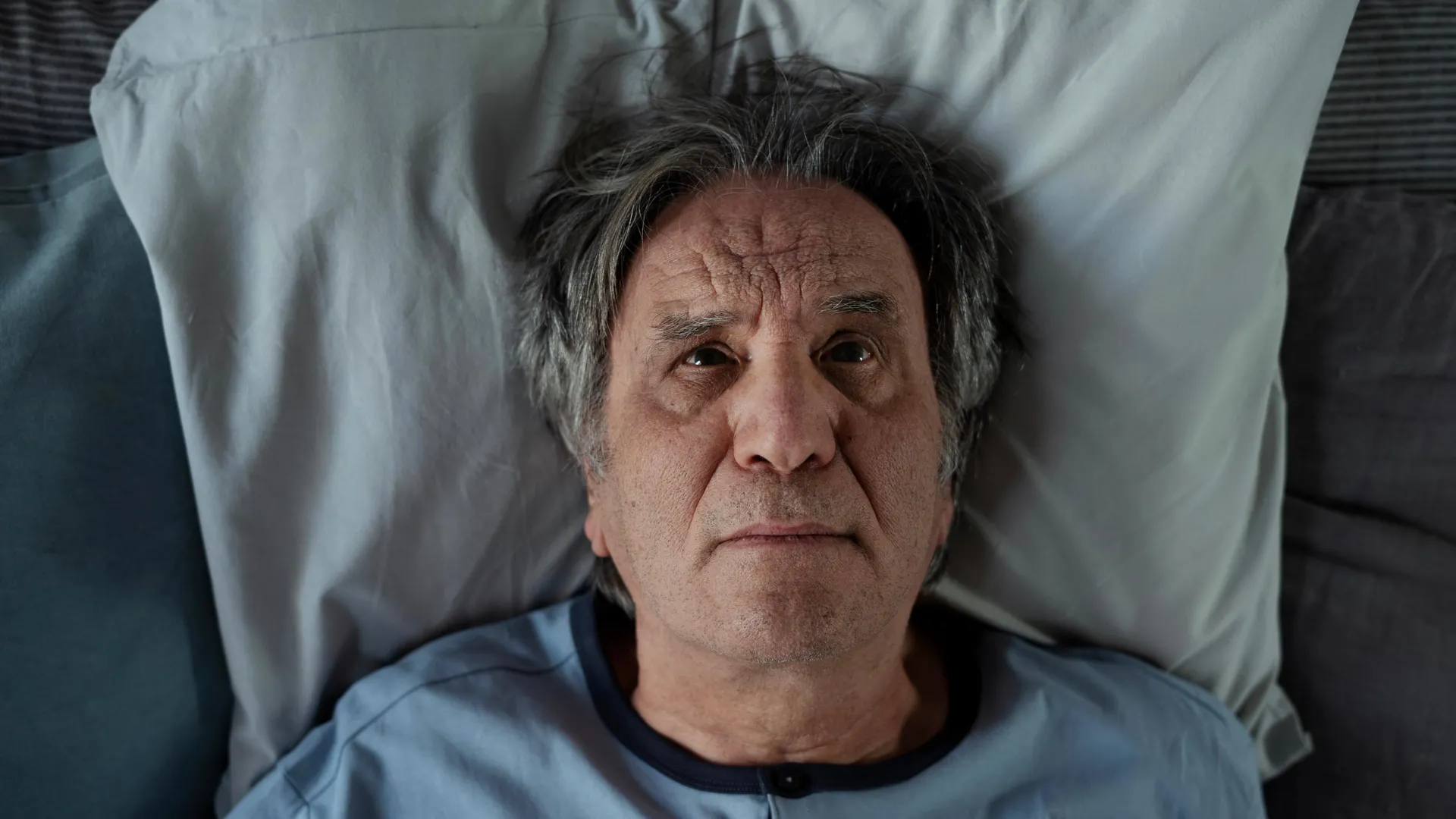
Research from the Oregon Health & Science University indicates that consistently sleeping less than seven hours can significantly reduce life expectancy. The findings reveal that inadequate sleep may have a stronger correlation with longevity than diet, exercise, or social isolation. This comprehensive analysis of nationwide data highlights the critical importance of sleep for long-term health.
Published on January 10, 2026, in the journal SLEEP Advances, the study draws from extensive survey data collected by the Centers for Disease Control and Prevention (CDC) between 2019 and 2025. Researchers analyzed life expectancy figures across various counties in the United States, identifying sleep duration as a prominent predictor of how long people live.
Key Findings on Sleep and Longevity
The research team, led by senior author Andrew McHill, Ph.D., an associate professor in the OHSU School of Nursing and the OHSU School of Medicine, discovered that sleep was a more significant factor than lifestyle choices such as diet and exercise in determining life expectancy. Smoking was the only lifestyle factor that showed a greater impact.
“I didn’t expect it to be so strongly correlated to life expectancy,” McHill stated. “We’ve always thought sleep is important, but this research really drives that point home: People really should strive to get seven to nine hours of sleep if at all possible.”
The analysis revealed that the relationship between sleep duration and life expectancy remained consistent across nearly all U.S. states and throughout the years studied. This finding emphasizes the necessity of prioritizing sleep in discussions about health and wellness.
Surprising Strength of the Correlation
Much of the research was conducted by graduate students in the Sleep, Chronobiology and Health Laboratory at OHSU. While the health benefits of adequate sleep have long been acknowledged, the magnitude of the results surprised even seasoned researchers.
“It’s intuitive and makes a lot of sense, but it was still striking to see it materialize so strongly in all of these models,” McHill remarked. The study found that insufficient sleep had a greater predictive power for lifespan than both diet and physical activity, reinforcing the need for better sleep habits.
The research is groundbreaking as it is the first to track yearly trends related to sleep across every U.S. state. The researchers utilized the CDC’s definition of sufficient sleep—defined as at least seven hours per night—which aligns with guidelines from the American Academy of Sleep Medicine and the Sleep Research Society.
While the study did not delve into the biological mechanisms behind the connection between sleep and longevity, McHill noted that sleep is vital for maintaining heart health, immune function, and cognitive performance.
“This research shows that we need to prioritize sleep at least as much as we do to what we eat or how we exercise,” he explained. “Getting a good night’s sleep will improve how you feel but also how long you live.”
The research team included lead author Kathryn E. McAuliffe, B.S., Madeline R. Wary, B.S., Gemma V. Pleas, B.A., Kiziah E.S. Pugmire, B.S., Courtney Lysiak, B.A., Nathan F. Dieckmann, Ph.D., and Brooke M. Shafer, Ph.D.. Funding for the study was provided by the National Heart, Lung, and Blood Institute of the National Institutes of Health, as well as the OHSU School of Nursing and the Oregon Institute of Occupational Health Sciences.
These findings serve as a powerful reminder of the importance of sleep in our daily lives and long-term health strategies.

Philadelphia Parks Launch Free Earth Month Events Starting April 1

Bradford’s Fish Fry Fridays Serve Community with Delicious Dinners

Trump Faces Growing Challenges Amid Rising Tensions with Iran

Scientists Probe the Universe’s Missing Topological Defects

Samsung Galaxy Watch 9 to Feature Larger 435mAh Battery

UConn Huskies Aim to Defend Title in 2026 NCAA Women’s Tournament

U.S. Littoral Combat Ships Dock in Malaysia Amid Regional Tensions

Healthy Choice Wellness Reports Quarterly Earnings, Shares Rise

Urgent News: Charles M. Payment Passes Away at 78 in Duluth

University of Hawaiʻi Joins $25.6M AI Project to Enhance Disaster Monitoring

Major Grant Enhances Cancer Care and Research in Hawaiʻi

Joleen Chaney, Beloved Journalist, Passes Leaving Lasting Legacy

San Francisco’s SFO to Welcome 16 Airlines with Nonstop Flights to Europe in 2026

Goldman Sachs Unveils 2026 Catalyst Playbook for Biotech Investors

Discover Top Business Smartphones for Professionals in 2026

Urgent Update: Tom Aspinall’s Vision Deteriorates After UFC 321

Texas Roadhouse Honors Veterans with Free Meal Vouchers

CD Projekt Red Confirms No Release for The Witcher 4 in 2026
-
Science9 months ago
University of Hawaiʻi Joins $25.6M AI Project to Enhance Disaster Monitoring
-
 Health8 months ago
Major Grant Enhances Cancer Care and Research in Hawaiʻi
-
 Top Stories9 months ago
Joleen Chaney, Beloved Journalist, Passes Leaving Lasting Legacy
-
 World7 months ago
San Francisco’s SFO to Welcome 16 Airlines with Nonstop Flights to Europe in 2026
-
 Business8 months ago
Goldman Sachs Unveils 2026 Catalyst Playbook for Biotech Investors
-
 Business8 months ago
Discover Top Business Smartphones for Professionals in 2026
-
 Top Stories10 months ago
Urgent Update: Tom Aspinall’s Vision Deteriorates After UFC 321
-
 Lifestyle9 months ago
Texas Roadhouse Honors Veterans with Free Meal Vouchers
-
 Entertainment8 months ago
CD Projekt Red Confirms No Release for The Witcher 4 in 2026
-

 Top Stories10 months ago
AI Disruption: AWS Faces Threat as Startups Shift Cloud Focus
-

 Health10 months ago
MIT Scientists Uncover Surprising Genomic Loops During Cell Division
-

 Entertainment10 months ago
Discover the Full Map of Pokémon Legends: Z-A’s Lumiose City