
Health
Llamas Could Revolutionize Snakebite Antivenom Treatments

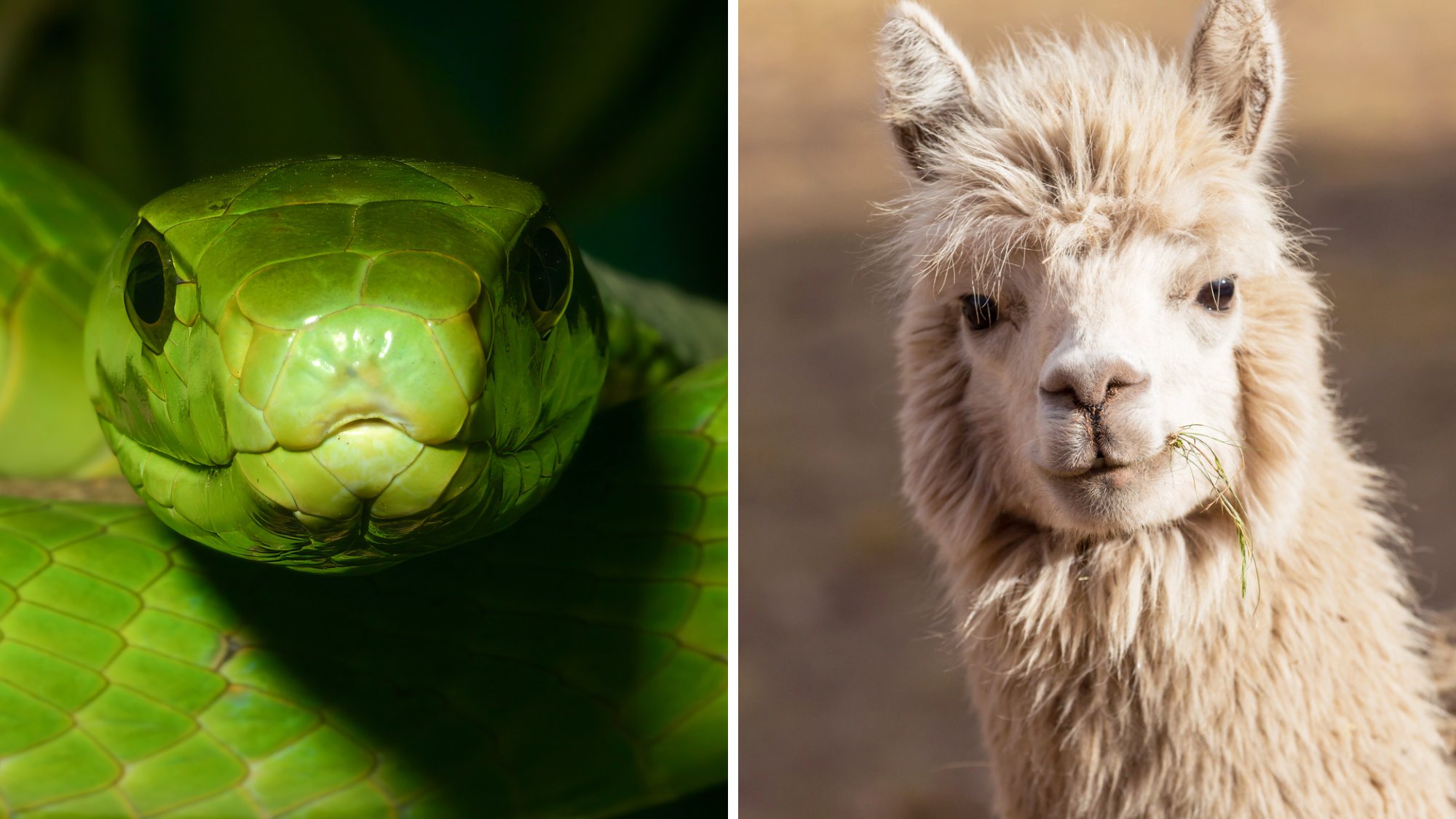
A new study suggests that llamas and alpacas could play a pivotal role in advancing snakebite antivenoms, potentially improving treatment options for thousands of victims annually. Research published in the journal Nature outlines how these animals produce unique antibodies that may lead to more effective and accessible antivenoms. This innovation could significantly impact regions where snakebites are prevalent, particularly in rural and impoverished areas of the world.
Addressing the Challenge of Snakebite Antivenoms
Snakebites are a major health crisis, particularly in sub-Saharan Africa, where over 300,000 cases are reported each year, resulting in approximately 7,000 deaths and around 14,000 limb amputations. Many antivenoms currently in use are derived from animal blood plasma, leading to inconsistent quality and high costs. The research team, led by Anne Ljungars, a biological engineer at the Technical University of Denmark (DTU), aims to alleviate these issues with their novel approach.
Elapid snakes, including the notorious black mamba and cobra, are among the deadliest due to their potent neurotoxins. These toxins can cause rapid paralysis and respiratory failure, making timely access to effective treatment crucial. Ljungars emphasized that the small size and rapid diffusion of elapid venoms exacerbate the mortality rates associated with snakebites, particularly in areas with limited healthcare resources.
Harnessing Llamas and Alpacas for Antivenom Development
The research team explored the potential of heavy-chain-only antibodies produced by llamas and alpacas. By immunizing these animals with venoms from 18 different African snake species, they were able to engineer proteins known as nanobodies. These nanobodies exhibit several advantageous properties, including high affinity binding, small size for deep tissue penetration, and low immunogenicity, making them suitable for early administration before symptoms manifest.
In laboratory trials, the new nanobody antivenom showed remarkable effectiveness, preventing deaths in mice exposed to venoms from 17 of the 18 snake species tested. Notably, it outperformed the existing commercial antivenom, Inoserp PAN-AFRICA, in mitigating tissue damage and preventing necrosis. While the study indicated that the nanobodies offer only partial protection against the green and black mambas, the results are promising for broader applications.
Despite these advances, securing funding for further development remains a significant challenge. Ljungars and her colleagues acknowledge that the cost of creating a new drug is substantial, and attracting investment can be difficult, especially when the target population for snakebite treatment is often in impoverished, rural regions with limited access to healthcare.
The findings of this study present a hopeful outlook for improving snakebite treatments, highlighting the potential of natural resources to address pressing health crises. As researchers prepare for clinical trials, the prospect of a more effective and accessible antivenom could transform the landscape of snakebite management and save countless lives.

Philadelphia Parks Launch Free Earth Month Events Starting April 1

Bradford’s Fish Fry Fridays Serve Community with Delicious Dinners

Trump Faces Growing Challenges Amid Rising Tensions with Iran

Scientists Probe the Universe’s Missing Topological Defects

Samsung Galaxy Watch 9 to Feature Larger 435mAh Battery

UConn Huskies Aim to Defend Title in 2026 NCAA Women’s Tournament

U.S. Littoral Combat Ships Dock in Malaysia Amid Regional Tensions

Healthy Choice Wellness Reports Quarterly Earnings, Shares Rise

Urgent News: Charles M. Payment Passes Away at 78 in Duluth

University of Hawaiʻi Joins $25.6M AI Project to Enhance Disaster Monitoring

Major Grant Enhances Cancer Care and Research in Hawaiʻi

Joleen Chaney, Beloved Journalist, Passes Leaving Lasting Legacy

San Francisco’s SFO to Welcome 16 Airlines with Nonstop Flights to Europe in 2026

Goldman Sachs Unveils 2026 Catalyst Playbook for Biotech Investors

Discover Top Business Smartphones for Professionals in 2026

Urgent Update: Tom Aspinall’s Vision Deteriorates After UFC 321

Texas Roadhouse Honors Veterans with Free Meal Vouchers

CD Projekt Red Confirms No Release for The Witcher 4 in 2026
-
Science9 months ago
University of Hawaiʻi Joins $25.6M AI Project to Enhance Disaster Monitoring
-
 Health8 months ago
Major Grant Enhances Cancer Care and Research in Hawaiʻi
-
 Top Stories9 months ago
Joleen Chaney, Beloved Journalist, Passes Leaving Lasting Legacy
-
 World7 months ago
San Francisco’s SFO to Welcome 16 Airlines with Nonstop Flights to Europe in 2026
-
 Business8 months ago
Goldman Sachs Unveils 2026 Catalyst Playbook for Biotech Investors
-
 Business7 months ago
Discover Top Business Smartphones for Professionals in 2026
-
 Top Stories9 months ago
Urgent Update: Tom Aspinall’s Vision Deteriorates After UFC 321
-
 Lifestyle9 months ago
Texas Roadhouse Honors Veterans with Free Meal Vouchers
-
 Entertainment8 months ago
CD Projekt Red Confirms No Release for The Witcher 4 in 2026
-

 Top Stories10 months ago
AI Disruption: AWS Faces Threat as Startups Shift Cloud Focus
-

 Health10 months ago
MIT Scientists Uncover Surprising Genomic Loops During Cell Division
-

 Entertainment10 months ago
Discover the Full Map of Pokémon Legends: Z-A’s Lumiose City