
Health
Massachusetts Cannabis Lounges Set to Transform Industry Landscape

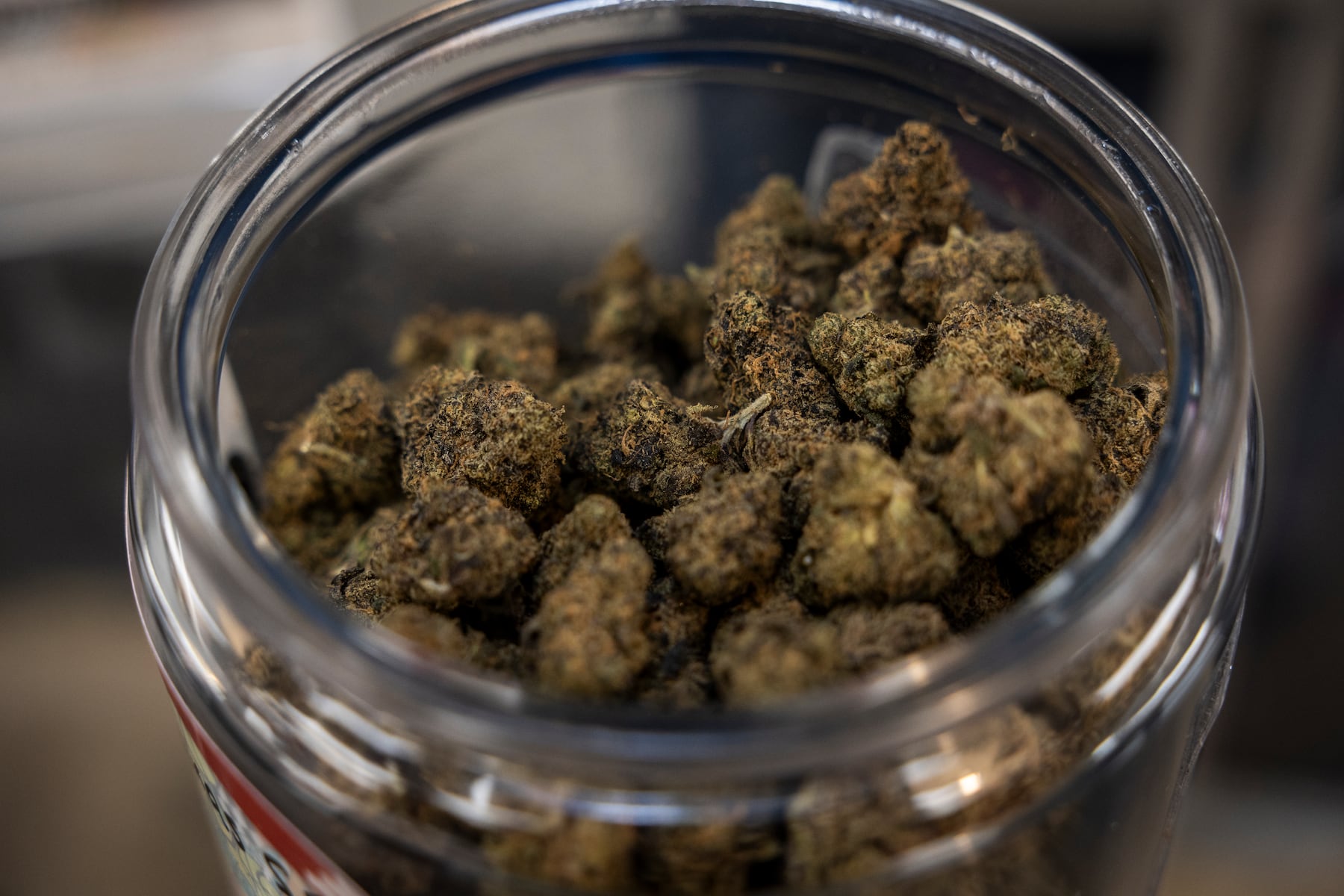
In a significant shift for the Massachusetts cannabis industry, new regulations now permit licensed Marijuana Establishments to create designated areas for social consumption. This means that customers can soon enjoy cannabis products on-site, enhancing the experience for both locals and tourists. Frank Dailey, owner of the Boston Bud Factory in Holyoke, views this as a pivotal opportunity to broaden his customer base.
The Commonwealth’s Cannabis Control Commission (CCC) unanimously approved these new regulations in December 2025, with implementation beginning in January 2026. While the first lounges may take a year or more to open, the potential for increased foot traffic and sales has many operators eagerly preparing for the changes. “We have an opportunity to expand our client base, and that’s going to be huge for us,” Dailey stated, highlighting the importance of creating a welcoming environment for patrons to indulge in edibles, tinctures, and vapes.
Eligibility and Economic Empowerment
As of February 2026, Massachusetts boasts 686 licensed cannabis operations, but only 139 are eligible to apply for social consumption licenses. The CCC has designed these regulations to prioritize businesses that fall into specific categories, including economic empowerment or microbusinesses, delivery-only operations, and those participating in social equity programs. Bruce Stebbins, a commissioner at the CCC, emphasized that these measures aim to support entrepreneurs who have been disproportionately affected by past drug laws.
Dailey, who qualifies for the social equity program due to his background, expressed his frustration with the market’s inequities. “The inequity in this business makes it hard because the big guys control a lot of the market,” he remarked. “It gives a break to the smaller guys,” as the CCC’s initiative seeks to level the playing field for emerging businesses.
The CCC has taken years to develop regulations for social consumption. Importantly, no one under 21 may buy or consume cannabis at these establishments, which are also prohibited from selling alcohol or tobacco. Patrons will be allowed to take home any unused products, ensuring a responsible approach to consumption.
Community Engagement and Future Prospects
Local municipalities hold the authority to approve licenses for these lounges, with the CCC actively engaging in outreach efforts to address community concerns. “We have done a lot of municipal outreach, and they have a lot of questions about what’s required,” Stebbins noted. Some communities have shown interest in moving forward, eager to see how these lounges might benefit their local economies.
On the other hand, Zori Alfonso, manager of Zaza Green Cannabis in Springfield, finds herself waiting on the sidelines. Her business does not qualify for the initial round of licenses but remains hopeful for future participation. “It’s something we’ve talked about and would like to participate in as soon as we can,” she said, while observing successful implementations of cannabis lounges in other states.
The CCC’s regulations extend beyond dispensary lounges to include consumption at sanctioned events and partnerships with non-cannabis businesses. Stebbins encourages creativity, suggesting that cannabis could be offered in diverse settings such as yoga studios, bed and breakfasts, and movie theaters, contingent upon local approval.
As the potential for social consumption unfolds, safety remains a top priority. Cannabis establishments are required to implement vendor safety training to prevent over-consumption among patrons. Additionally, businesses must develop plans to assist those who may overindulge, ensuring they can return home safely. Packaging will also include information on the expected onset time for effects, aligning with public health and safety standards.
The CCC projects that cannabis businesses in Massachusetts generated over $1.65 billion in sales in 2025, setting a new annual record. Tim Shaw, chief operating officer of MariMed, anticipates that the introduction of lounges will further stimulate growth. “It’s the next, natural step to normalization,” he explained. “This promotes the ability for people to normalize cannabis use.”
Despite the excitement surrounding the new regulations, some operators, like Dailey, remain cautious about the financial implications of opening a lounge. CCC regulations require advanced air filtration systems to manage smoke, potentially leading to significant startup costs. “I’ve heard reports we might be required to have a million-dollar system to ensure air quality,” he said.
While initial costs could be steep, Stebbins reassured entrepreneurs that state grants may be available to help mitigate expenses. As Massachusetts prepares to embrace social consumption, the cannabis industry stands at the brink of a transformative new chapter, with potential benefits for both businesses and consumers alike.

Philadelphia Parks Launch Free Earth Month Events Starting April 1

Bradford’s Fish Fry Fridays Serve Community with Delicious Dinners

Trump Faces Growing Challenges Amid Rising Tensions with Iran

Scientists Probe the Universe’s Missing Topological Defects

Samsung Galaxy Watch 9 to Feature Larger 435mAh Battery

UConn Huskies Aim to Defend Title in 2026 NCAA Women’s Tournament

U.S. Littoral Combat Ships Dock in Malaysia Amid Regional Tensions

Healthy Choice Wellness Reports Quarterly Earnings, Shares Rise

Urgent News: Charles M. Payment Passes Away at 78 in Duluth

University of Hawaiʻi Joins $25.6M AI Project to Enhance Disaster Monitoring

Major Grant Enhances Cancer Care and Research in Hawaiʻi

Joleen Chaney, Beloved Journalist, Passes Leaving Lasting Legacy

San Francisco’s SFO to Welcome 16 Airlines with Nonstop Flights to Europe in 2026

Goldman Sachs Unveils 2026 Catalyst Playbook for Biotech Investors

Discover Top Business Smartphones for Professionals in 2026

Urgent Update: Tom Aspinall’s Vision Deteriorates After UFC 321

Texas Roadhouse Honors Veterans with Free Meal Vouchers

CD Projekt Red Confirms No Release for The Witcher 4 in 2026
-
Science9 months ago
University of Hawaiʻi Joins $25.6M AI Project to Enhance Disaster Monitoring
-
 Health8 months ago
Major Grant Enhances Cancer Care and Research in Hawaiʻi
-
 Top Stories9 months ago
Joleen Chaney, Beloved Journalist, Passes Leaving Lasting Legacy
-
 World7 months ago
San Francisco’s SFO to Welcome 16 Airlines with Nonstop Flights to Europe in 2026
-
 Business8 months ago
Goldman Sachs Unveils 2026 Catalyst Playbook for Biotech Investors
-
 Business7 months ago
Discover Top Business Smartphones for Professionals in 2026
-
 Top Stories9 months ago
Urgent Update: Tom Aspinall’s Vision Deteriorates After UFC 321
-
 Lifestyle9 months ago
Texas Roadhouse Honors Veterans with Free Meal Vouchers
-
 Entertainment8 months ago
CD Projekt Red Confirms No Release for The Witcher 4 in 2026
-

 Top Stories10 months ago
AI Disruption: AWS Faces Threat as Startups Shift Cloud Focus
-

 Health10 months ago
MIT Scientists Uncover Surprising Genomic Loops During Cell Division
-

 Entertainment10 months ago
Discover the Full Map of Pokémon Legends: Z-A’s Lumiose City