
Health
Mayo Clinic Identifies Rare Gene Mutation Linked to Liver Disease

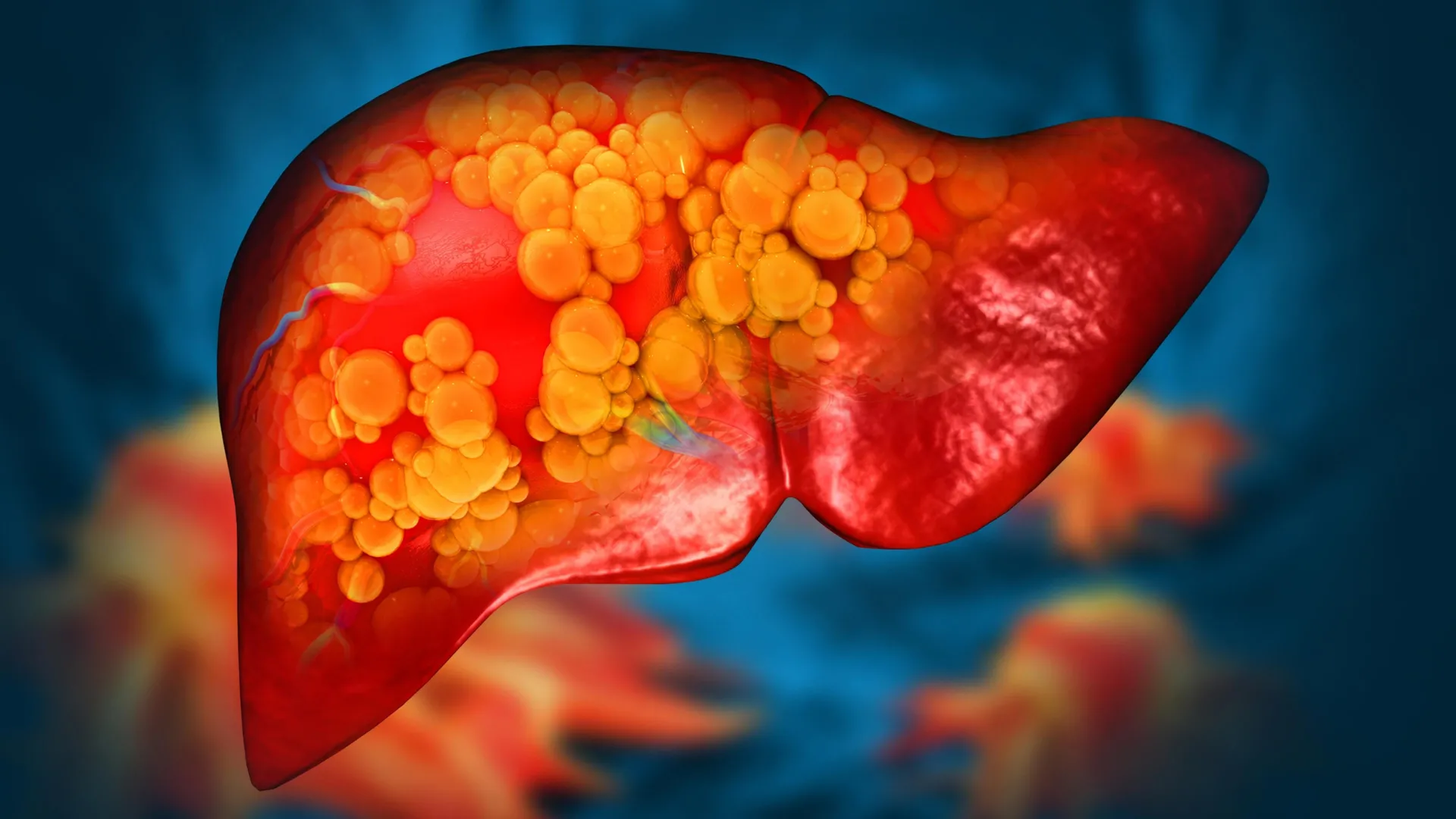
Researchers at the Mayo Clinic have discovered a rare mutation in the MET gene that can cause metabolic dysfunction-associated steatotic liver disease. This condition, previously known as nonalcoholic fatty liver disease, disrupts the liver’s ability to process fat, leading to inflammation and potential liver damage. The findings, published on March 7, 2026, in the journal Hepatology, highlight a significant genetic factor that had previously gone unrecognized in patients without typical risk factors.
The investigation began with a father and daughter who both exhibited symptoms of the disease despite lacking common risk factors such as diabetes or high cholesterol. As traditional explanations did not apply, the research team performed an extensive genetic analysis, examining DNA across more than 20,000 genes. They identified a small but impactful alteration in the MET gene that hinders the liver’s fat-processing capabilities.
In collaboration with the Medical College of Wisconsin, led by Raul Urrutia, M.D., the team confirmed that this mutation interferes with crucial biochemical processes. A single nucleotide change in the DNA sequence of the MET gene disrupts its function, resulting in fat accumulation within liver cells. Over time, this can lead to inflammation, fibrosis, and even cirrhosis, which may culminate in permanent liver damage or liver cancer.
Approximately one-third of adults worldwide suffer from metabolic dysfunction-associated steatotic liver disease, with the more severe form, metabolic dysfunction-associated steatohepatitis, projected to become a leading cause of cirrhosis and liver transplants in the near future. Filippo Pinto e Vairo, M.D., Ph.D., the medical director of the Program for Rare and Undiagnosed Diseases at Mayo Clinic, emphasized the significance of this discovery, stating, “This discovery opens a window into how rare inherited genetic variants can drive common diseases.”
Genetic Analysis Reveals New Insights
The breakthrough underscores the potential of genomic medicine in diagnosing complex diseases. The research team delved into the family’s genetic history, revealing that the rare MET gene mutation had not been documented in scientific literature or public genetic databases. This finding illustrates how rare diseases often remain hidden within the broader spectrum of complex disorders.
To assess the prevalence of similar mutations, the researchers analyzed data from the Tapestry study, a large-scale genomic initiative at Mayo Clinic. This project has examined genetic data from over 100,000 participants, aiming to identify genetic factors related to various diseases. Among nearly 4,000 adults diagnosed with metabolic dysfunction-associated steatotic liver disease, approximately 1% were found to carry rare variants in the MET gene. Notably, nearly 18% of these variants were located in the same critical region identified in the original family case.
Konstantinos Lazaridis, M.D., a lead author on the study, noted, “This finding could potentially affect hundreds of thousands, if not millions, of people worldwide with or at risk for metabolic dysfunction-associated steatotic liver disease.” He further highlighted the importance of the Tapestry study in uncovering hidden genetic factors that contribute to disease.
The Role of Precision Genomics
The results of this investigation also highlight the growing role of genomic medicine within clinical practice at the Mayo Clinic. Since its inception in 2019, the Program for Rare and Undiagnosed Diseases has provided over 3,200 patients with access to comprehensive genomic testing. The program collaborates with nearly 300 clinicians across 14 divisions to deliver precision diagnostics for patients facing challenging-to-diagnose conditions, including rare liver diseases.
Future studies are expected to further explore how the discovery of the MET gene mutation can guide the development of targeted treatments and improve diagnostic practices. The insights gained from this research not only pave the way for better understanding of metabolic dysfunction-associated steatotic liver disease but also emphasize the importance of individualized medicine in addressing rare genetic disorders.
In summary, the identification of this rare gene mutation by Mayo Clinic researchers represents a significant advancement in understanding liver disease. As more genetic factors are uncovered, there is potential for improved diagnostics and therapies that could benefit countless individuals worldwide.

Philadelphia Parks Launch Free Earth Month Events Starting April 1

Bradford’s Fish Fry Fridays Serve Community with Delicious Dinners

Trump Faces Growing Challenges Amid Rising Tensions with Iran

Scientists Probe the Universe’s Missing Topological Defects

Samsung Galaxy Watch 9 to Feature Larger 435mAh Battery

UConn Huskies Aim to Defend Title in 2026 NCAA Women’s Tournament

U.S. Littoral Combat Ships Dock in Malaysia Amid Regional Tensions

Healthy Choice Wellness Reports Quarterly Earnings, Shares Rise

Urgent News: Charles M. Payment Passes Away at 78 in Duluth

University of Hawaiʻi Joins $25.6M AI Project to Enhance Disaster Monitoring

Major Grant Enhances Cancer Care and Research in Hawaiʻi

Joleen Chaney, Beloved Journalist, Passes Leaving Lasting Legacy

San Francisco’s SFO to Welcome 16 Airlines with Nonstop Flights to Europe in 2026

Goldman Sachs Unveils 2026 Catalyst Playbook for Biotech Investors

Discover Top Business Smartphones for Professionals in 2026

Urgent Update: Tom Aspinall’s Vision Deteriorates After UFC 321

Texas Roadhouse Honors Veterans with Free Meal Vouchers

CD Projekt Red Confirms No Release for The Witcher 4 in 2026
-
Science9 months ago
University of Hawaiʻi Joins $25.6M AI Project to Enhance Disaster Monitoring
-
 Health8 months ago
Major Grant Enhances Cancer Care and Research in Hawaiʻi
-
 Top Stories9 months ago
Joleen Chaney, Beloved Journalist, Passes Leaving Lasting Legacy
-
 World7 months ago
San Francisco’s SFO to Welcome 16 Airlines with Nonstop Flights to Europe in 2026
-
 Business8 months ago
Goldman Sachs Unveils 2026 Catalyst Playbook for Biotech Investors
-
 Business8 months ago
Discover Top Business Smartphones for Professionals in 2026
-
 Top Stories9 months ago
Urgent Update: Tom Aspinall’s Vision Deteriorates After UFC 321
-
 Lifestyle9 months ago
Texas Roadhouse Honors Veterans with Free Meal Vouchers
-
 Entertainment8 months ago
CD Projekt Red Confirms No Release for The Witcher 4 in 2026
-

 Top Stories10 months ago
AI Disruption: AWS Faces Threat as Startups Shift Cloud Focus
-

 Health10 months ago
MIT Scientists Uncover Surprising Genomic Loops During Cell Division
-

 Entertainment10 months ago
Discover the Full Map of Pokémon Legends: Z-A’s Lumiose City