
Health
Measles Surge in the US: What You Need to Know Now

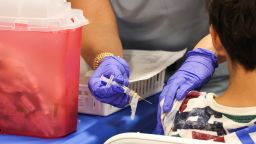
The United States is currently experiencing a significant increase in measles cases, with at least 171 new cases reported in the first two weeks of 2026. This surge follows a record number of cases in 2025, as documented by the US Centers for Disease Control and Prevention (CDC). The majority of these cases are concentrated in regions with ongoing outbreaks, particularly in upstate South Carolina and along the Utah-Arizona state line.
The rapid spread of measles poses risks not only to those in outbreak areas but to the general public as well. Dr. Linda Bell, South Carolina’s state epidemiologist, noted that with the growing number of cases, tracking every potential exposure has become increasingly challenging. Infected individuals may unknowingly interact with others, leading to further spread of the virus. Over the past week, numerous public exposure sites have been identified in South Carolina, including schools, churches, and restaurants. However, local health departments may not always disclose all exposure sites unless they can provide specific details about the timing and location of the incidents.
Public Health Concerns
Measles can be transmitted in various settings, as evidenced by a recent case involving a family from North Carolina who visited Spartanburg County, South Carolina. In New Mexico, health officials warned of potential measles exposure at a hotel in Albuquerque due to a visitor from South Carolina. Major airports across the US also reported cases or potential exposures during the busy holiday travel season. Dr. Jesse Hackell, a retired pediatrician and member of the American Academy of Pediatrics, emphasized that declining vaccination rates contribute to the spread of the virus.
Vaccination remains the most effective way to prevent measles. The measles-mumps-rubella (MMR) vaccine is highly effective, with one dose offering 93% protection and two doses increasing that to 97%. The first dose is typically given between 12 months and 15 months of age, with a second dose recommended between ages 4 and 6. In outbreak situations, the first dose may be administered as early as 6 months.
What to Do If Exposed
For those who are aware of their exposure or suspect they may have been exposed to measles, contacting a healthcare provider is crucial. Public health experts advise individuals to call ahead rather than visiting healthcare facilities in person to avoid infecting others. Dr. Bell stressed the importance of notifying healthcare providers before arrival. Patients may also consider wearing a mask to reduce the risk of transmission in healthcare settings.
In response to the outbreak, some healthcare facilities have implemented protocols reminiscent of early COVID-19 measures. Dr. Stuart Simko, a pediatrician with Prisma Health in upstate South Carolina, noted that telehealth visits and screening processes have been ramped up to prevent further spread. He expressed pride in his team’s quick adjustments to protect patients and staff.
People should remain vigilant and monitor for symptoms of measles, which may initially resemble other respiratory illnesses. Early symptoms include fever, cough, and runny nose, followed by a characteristic rash that typically appears a few days later. Conjunctivitis, or pink eye, may also be an early indicator of measles and should prompt consultation with a healthcare provider.
Staying Informed and Preventing Spread
Awareness of local vaccination rates can help families make informed decisions about their health. Exposure in schools with high vaccination rates is less likely to result in outbreaks compared to those with lower rates. Dr. Hackell highlighted the importance of public health monitoring and timely communication regarding outbreaks. Local health departments, including those in South Carolina, provide regular updates about the measles situation and potential exposures.
For those who have been exposed and are unvaccinated, a quarantine period of 21 days post-exposure is recommended. This precautionary measure helps limit the risk of further transmission, as individuals with measles can be contagious before showing symptoms. South Carolina has reported that over 400 individuals are currently in quarantine due to known exposures.
Vaccination is the best strategy to mitigate risks associated with measles exposure. Individuals who have received both doses of the MMR vaccine do not need to quarantine, providing reassurance to families during this outbreak. As the situation evolves, staying informed and maintaining vaccination coverage will be critical in controlling the spread of measles.

Philadelphia Parks Launch Free Earth Month Events Starting April 1

Bradford’s Fish Fry Fridays Serve Community with Delicious Dinners

Trump Faces Growing Challenges Amid Rising Tensions with Iran

Scientists Probe the Universe’s Missing Topological Defects

Samsung Galaxy Watch 9 to Feature Larger 435mAh Battery

UConn Huskies Aim to Defend Title in 2026 NCAA Women’s Tournament

U.S. Littoral Combat Ships Dock in Malaysia Amid Regional Tensions

Healthy Choice Wellness Reports Quarterly Earnings, Shares Rise

Urgent News: Charles M. Payment Passes Away at 78 in Duluth

University of Hawaiʻi Joins $25.6M AI Project to Enhance Disaster Monitoring

Major Grant Enhances Cancer Care and Research in Hawaiʻi

Joleen Chaney, Beloved Journalist, Passes Leaving Lasting Legacy

San Francisco’s SFO to Welcome 16 Airlines with Nonstop Flights to Europe in 2026

Goldman Sachs Unveils 2026 Catalyst Playbook for Biotech Investors

Discover Top Business Smartphones for Professionals in 2026

Urgent Update: Tom Aspinall’s Vision Deteriorates After UFC 321

Texas Roadhouse Honors Veterans with Free Meal Vouchers

CD Projekt Red Confirms No Release for The Witcher 4 in 2026
-
Science9 months ago
University of Hawaiʻi Joins $25.6M AI Project to Enhance Disaster Monitoring
-
 Health8 months ago
Major Grant Enhances Cancer Care and Research in Hawaiʻi
-
 Top Stories9 months ago
Joleen Chaney, Beloved Journalist, Passes Leaving Lasting Legacy
-
 World7 months ago
San Francisco’s SFO to Welcome 16 Airlines with Nonstop Flights to Europe in 2026
-
 Business8 months ago
Goldman Sachs Unveils 2026 Catalyst Playbook for Biotech Investors
-
 Business8 months ago
Discover Top Business Smartphones for Professionals in 2026
-
 Top Stories9 months ago
Urgent Update: Tom Aspinall’s Vision Deteriorates After UFC 321
-
 Lifestyle9 months ago
Texas Roadhouse Honors Veterans with Free Meal Vouchers
-
 Entertainment8 months ago
CD Projekt Red Confirms No Release for The Witcher 4 in 2026
-

 Top Stories10 months ago
AI Disruption: AWS Faces Threat as Startups Shift Cloud Focus
-

 Health10 months ago
MIT Scientists Uncover Surprising Genomic Loops During Cell Division
-

 Entertainment10 months ago
Discover the Full Map of Pokémon Legends: Z-A’s Lumiose City