
Health
Millions Face Rising Healthcare Costs as ACA Subsidies End

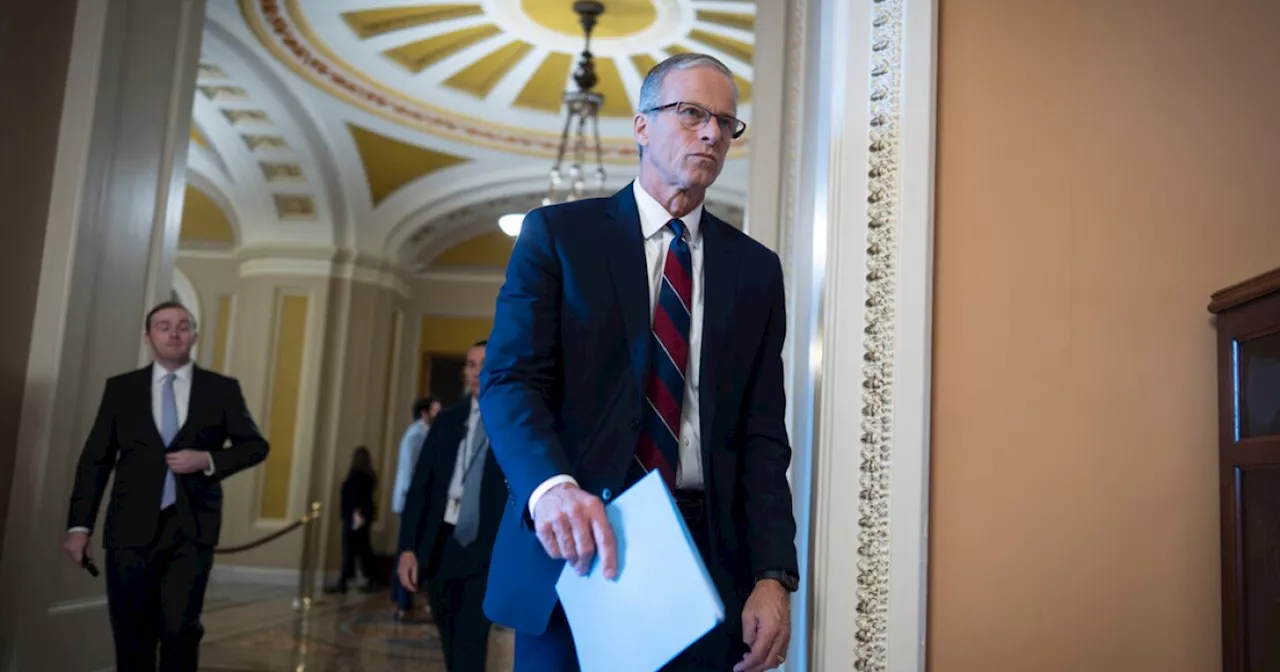
As of January 1, 2026, millions of Americans are confronting heightened healthcare costs following the expiration of expanded premium tax credits under the Affordable Care Act (ACA). This shift is poised to ignite a significant political confrontation in Washington, D.C., as lawmakers return to Capitol Hill after their holiday recess.
Democrats are strategically positioning themselves to hold Republicans accountable for their inaction on healthcare affordability, especially with midterm elections on the horizon. The cessation of these tax credits is expected to lead to increased premiums for many, prompting concerns that some individuals may abandon their health insurance plans altogether.
Political Dynamics on Capitol Hill
The expiration of the subsidies has set the stage for heightened political discourse. President Donald Trump has long advocated for the repeal and replacement of the ACA, commonly referred to as Obamacare. Meanwhile, Republicans have introduced several proposals regarding healthcare reform but have struggled to reach a consensus. Senator Cynthia Lummis of Wyoming noted the diversity of opinions among her colleagues, stating, “We have time constraints. We have different philosophies. There are different ideas… and that’s just on the Senate side.”
For Democrats, the Republican failure to unify around a comprehensive healthcare plan presents a potential advantage as they head into the elections. Senator Peter Welch from Vermont expressed the gravity of the situation, remarking, “This is so heartbreaking because people who had no control over these premium increases are going to suffer.”
Upcoming Legislative Challenges
The healthcare subsidy lapse coincides with another pressing deadline: government funding is set to expire on January 30, 2026. Lawmakers must either pass a stopgap measure or finalize the remaining nine funding bills to avert a partial government shutdown on January 31. The agenda also includes proposals to ban stock trading for members of Congress, an initiative that has garnered bipartisan support.
There is speculation that Republicans may attempt to initiate another reconciliation bill, similar to the One Big Beautiful Bill Act, which could allow them to modify tax policies or government spending without requiring Democratic support. Nevertheless, the timeline is tight, as Congress will observe its annual August recess and will be largely occupied with campaigning for the midterm elections throughout October.
As the political landscape evolves, the implications of the healthcare affordability crisis will undoubtedly shape the upcoming legislative session and electoral outcomes. With millions of Americans at stake, the focus on healthcare will remain a critical issue as lawmakers navigate the complexities of governance and public health policy.

Philadelphia Parks Launch Free Earth Month Events Starting April 1

Bradford’s Fish Fry Fridays Serve Community with Delicious Dinners

Trump Faces Growing Challenges Amid Rising Tensions with Iran

Scientists Probe the Universe’s Missing Topological Defects

Samsung Galaxy Watch 9 to Feature Larger 435mAh Battery

UConn Huskies Aim to Defend Title in 2026 NCAA Women’s Tournament

U.S. Littoral Combat Ships Dock in Malaysia Amid Regional Tensions

Healthy Choice Wellness Reports Quarterly Earnings, Shares Rise

Urgent News: Charles M. Payment Passes Away at 78 in Duluth

University of Hawaiʻi Joins $25.6M AI Project to Enhance Disaster Monitoring

Major Grant Enhances Cancer Care and Research in Hawaiʻi

Joleen Chaney, Beloved Journalist, Passes Leaving Lasting Legacy

San Francisco’s SFO to Welcome 16 Airlines with Nonstop Flights to Europe in 2026

Goldman Sachs Unveils 2026 Catalyst Playbook for Biotech Investors

Discover Top Business Smartphones for Professionals in 2026

Urgent Update: Tom Aspinall’s Vision Deteriorates After UFC 321

Texas Roadhouse Honors Veterans with Free Meal Vouchers

CD Projekt Red Confirms No Release for The Witcher 4 in 2026
-
Science9 months ago
University of Hawaiʻi Joins $25.6M AI Project to Enhance Disaster Monitoring
-
 Health8 months ago
Major Grant Enhances Cancer Care and Research in Hawaiʻi
-
 Top Stories9 months ago
Joleen Chaney, Beloved Journalist, Passes Leaving Lasting Legacy
-
 World7 months ago
San Francisco’s SFO to Welcome 16 Airlines with Nonstop Flights to Europe in 2026
-
 Business8 months ago
Goldman Sachs Unveils 2026 Catalyst Playbook for Biotech Investors
-
 Business8 months ago
Discover Top Business Smartphones for Professionals in 2026
-
 Top Stories9 months ago
Urgent Update: Tom Aspinall’s Vision Deteriorates After UFC 321
-
 Lifestyle9 months ago
Texas Roadhouse Honors Veterans with Free Meal Vouchers
-
 Entertainment8 months ago
CD Projekt Red Confirms No Release for The Witcher 4 in 2026
-

 Top Stories10 months ago
AI Disruption: AWS Faces Threat as Startups Shift Cloud Focus
-

 Health10 months ago
MIT Scientists Uncover Surprising Genomic Loops During Cell Division
-

 Entertainment10 months ago
Discover the Full Map of Pokémon Legends: Z-A’s Lumiose City