
Health
New Research Uncovers Potential for Liver Damage Repair

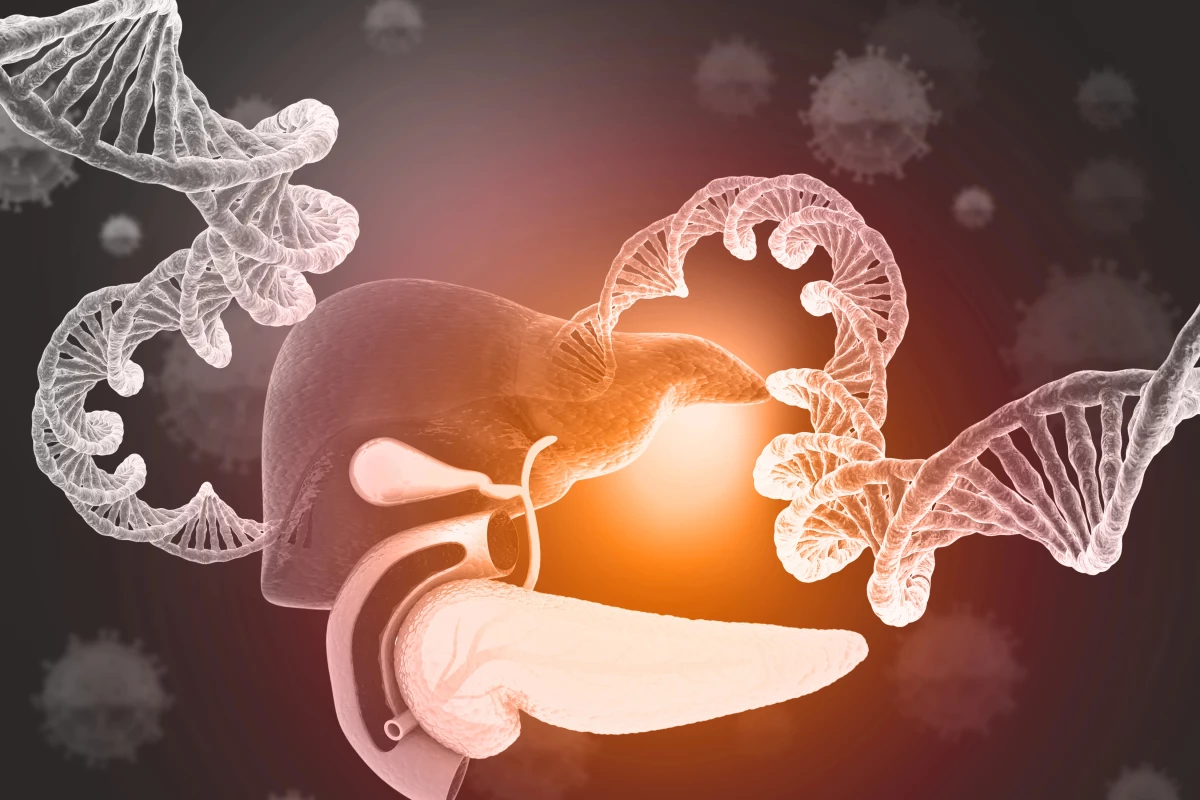
Researchers from the Universidad Miguel Hernández in Spain have identified a potential new approach to mitigate liver damage associated with cirrhosis. Their study reveals how inhibiting a specific inflammatory pathway could enhance liver function and improve blood vessel performance in affected individuals. This development comes as chronic liver diseases continue to challenge healthcare systems worldwide, primarily due to ineffective treatments that focus on managing symptoms rather than addressing underlying causes.
The investigation centered on the role of Platelet-Activating Factor (PAF) and its receptor in the context of cirrhosis, a serious condition characterized by progressive liver damage and persistent inflammation. Study lead Rubén Francés Guarinos emphasized, “Our main objective was to understand the role of PAF and its receptor in liver cirrhosis.” Researchers sought to determine whether blocking this inflammatory pathway could be an effective strategy for improving liver function in patients suffering from the disease.
The study examined both human patients with cirrhosis and mice with chemically induced cirrhosis. Mice were administered treatments, either a drug that blocks the PAF receptor or a DNA methylation inhibitor, for two weeks prior to undergoing surgery. The researchers analyzed liver immune cells to assess the regulation of their DNA activity and measured levels of the PAF receptor. They also exposed liver cells, known as Kupffer cells, to PAF and other stimuli to quantify the inflammatory molecules produced.
Findings revealed a significant alteration in gene regulation within cirrhotic livers. Specifically, the removal of chemical marks from the PAF receptor gene led to its overactivity, resulting in an increased production of PAF receptors by liver immune cells. This escalation of receptor activity exacerbated inflammation and contributed to further liver damage. Notably, the application of the drug BN-52021 not only diminished liver injury but also enhanced blood vessel function in the treated mice while restoring balance to the liver’s immune responses.
“Taken together, these findings suggest that drugs capable of blocking PAF action, such as BN-52021, could represent a new therapeutic line for liver cirrhosis,” stated researcher Enrique Ángel Gomis. The implications of this research extend beyond merely addressing inflammation; it highlights the potential to tackle the fundamental molecular mechanisms that render the liver susceptible to damage.
In cirrhosis, the PAF receptor gene is excessively activated due to epigenetic changes. Future therapeutic strategies may include designing treatments that aim to restore or correct these epigenetic controls, potentially preventing the overproduction of PAF receptors at their source. This approach could lead to a decrease in harmful inflammatory signals from the liver’s immune cells, thereby reducing scarring and preserving blood vessel health.
The researchers argue that instead of simply managing the symptoms of cirrhosis, epigenetic-based therapies could reprogram the liver’s immune response. This would offer a more targeted and sustainable solution for controlling inflammation and hindering disease progression. The study’s findings were published in the journal Biomedicine & Pharmacotherapy in March 2024, marking a significant step towards advancing treatment options for chronic liver diseases.
As the global burden of liver disease rises, further investigations into the connections between inflammation, immune response, and liver health are essential. More effective therapies could alleviate the suffering of millions worldwide and improve patient outcomes significantly.

Philadelphia Parks Launch Free Earth Month Events Starting April 1

Bradford’s Fish Fry Fridays Serve Community with Delicious Dinners

Trump Faces Growing Challenges Amid Rising Tensions with Iran

Scientists Probe the Universe’s Missing Topological Defects

Samsung Galaxy Watch 9 to Feature Larger 435mAh Battery

UConn Huskies Aim to Defend Title in 2026 NCAA Women’s Tournament

U.S. Littoral Combat Ships Dock in Malaysia Amid Regional Tensions

Healthy Choice Wellness Reports Quarterly Earnings, Shares Rise

Urgent News: Charles M. Payment Passes Away at 78 in Duluth

University of Hawaiʻi Joins $25.6M AI Project to Enhance Disaster Monitoring

Major Grant Enhances Cancer Care and Research in Hawaiʻi

Joleen Chaney, Beloved Journalist, Passes Leaving Lasting Legacy

San Francisco’s SFO to Welcome 16 Airlines with Nonstop Flights to Europe in 2026

Goldman Sachs Unveils 2026 Catalyst Playbook for Biotech Investors

Discover Top Business Smartphones for Professionals in 2026

Urgent Update: Tom Aspinall’s Vision Deteriorates After UFC 321

Texas Roadhouse Honors Veterans with Free Meal Vouchers

CD Projekt Red Confirms No Release for The Witcher 4 in 2026
-
Science9 months ago
University of Hawaiʻi Joins $25.6M AI Project to Enhance Disaster Monitoring
-
 Health8 months ago
Major Grant Enhances Cancer Care and Research in Hawaiʻi
-
 Top Stories9 months ago
Joleen Chaney, Beloved Journalist, Passes Leaving Lasting Legacy
-
 World7 months ago
San Francisco’s SFO to Welcome 16 Airlines with Nonstop Flights to Europe in 2026
-
 Business8 months ago
Goldman Sachs Unveils 2026 Catalyst Playbook for Biotech Investors
-
 Business8 months ago
Discover Top Business Smartphones for Professionals in 2026
-
 Top Stories10 months ago
Urgent Update: Tom Aspinall’s Vision Deteriorates After UFC 321
-
 Lifestyle9 months ago
Texas Roadhouse Honors Veterans with Free Meal Vouchers
-
 Entertainment8 months ago
CD Projekt Red Confirms No Release for The Witcher 4 in 2026
-

 Top Stories10 months ago
AI Disruption: AWS Faces Threat as Startups Shift Cloud Focus
-

 Health10 months ago
MIT Scientists Uncover Surprising Genomic Loops During Cell Division
-

 Entertainment10 months ago
Discover the Full Map of Pokémon Legends: Z-A’s Lumiose City