
Health
Researchers Develop Device to Help People with Smell Loss

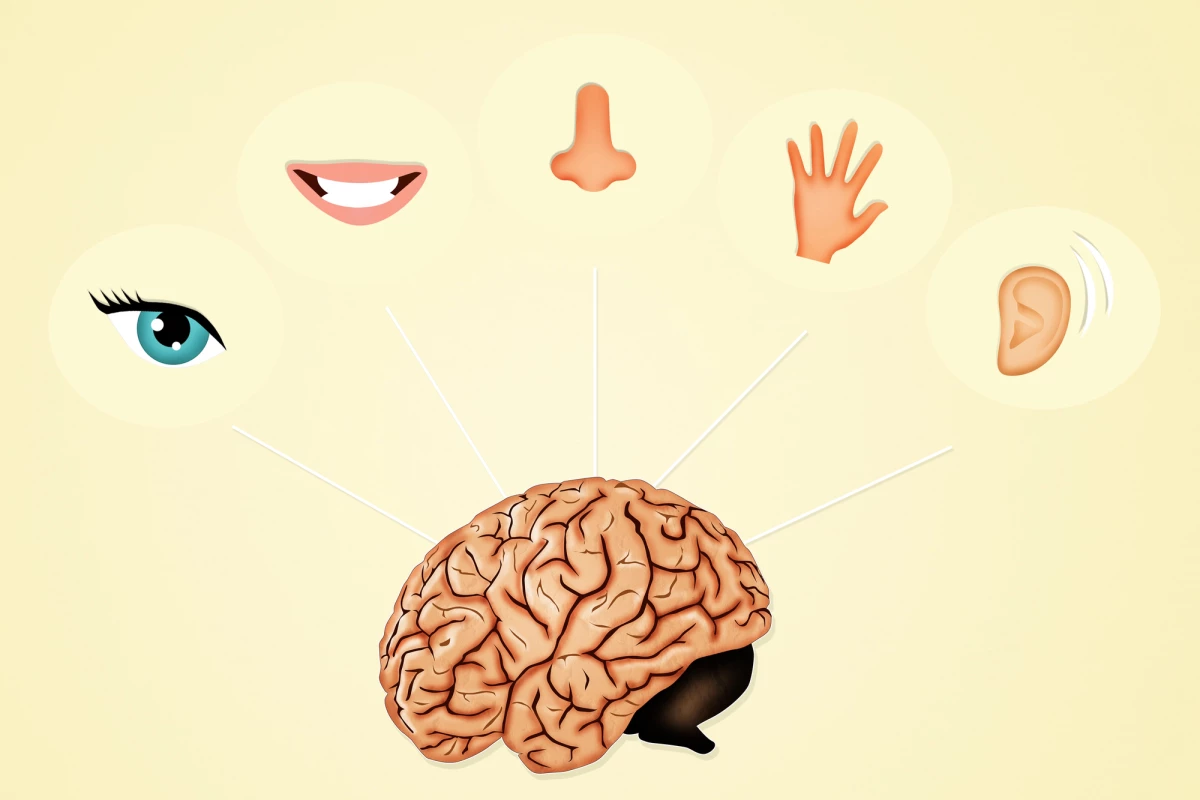
Losing the sense of smell, known as anosmia, profoundly impacts daily life for millions of individuals worldwide. It alters how people experience food, environments, and even potential dangers, such as smoke or spoiled food. Recent research highlights a novel approach to addressing this sensory loss, suggesting that touch may serve as a substitute for olfactory information.
Understanding Anosmia and Its Effects
Anosmia affects tens of millions of people globally, often following viral infections, head trauma, or neurological diseases. Unlike the senses of vision or hearing, the olfactory system relies on delicate neural pathways that connect directly to brain regions tied to emotion and memory. When these pathways are disrupted, individuals do not just lose the ability to smell; they experience a notable shift in their interaction with the world around them.
In a recent study published in the journal Science Advances, researchers explored an innovative strategy that bypasses the damaged olfactory system. Instead of attempting to restore the sense of smell, the study aimed to preserve the critical information that smell provides about the chemical environment.
A New Approach to Sensory Perception
The research team developed a prototype device that separates the detection of odors from their perception. This innovative system captures odors in the air using an artificial sensing mechanism and translates them into digital signatures. These signatures are then delivered to the brain through a different sensory channel, specifically the trigeminal nerve. This nerve, located in the nasal cavity, is responsible for conveying sensations such as touch, temperature, and irritation.
Participants in the study included 65 individuals, some with normal olfaction and others experiencing partial or complete smell loss. Throughout a series of experiments, participants demonstrated the ability to detect odorant molecules using the device, with most successfully distinguishing between different odors. Remarkably, the device performed equally well for those who could not smell, indicating that the trigeminal pathway offers a robust and widely accessible means of transmitting these signals.
Although the device does not restore the sensory richness associated with smell, it showcases the brain’s capacity to adapt and learn. By associating specific stimulation patterns with particular odors, the brain can build a new interpretive framework that utilizes touch to replace the lost sense of smell.
The study reflects a broader shift in addressing sensory loss. Rather than concentrating solely on repairing damaged systems, it highlights that perception can also be reconstructed by translating information across different senses. For those living with anosmia, this new perspective presents an opportunity for engagement with the chemical world through learning and adaptation, rather than a return to the previous state of smell.
This groundbreaking work opens the door for further exploration into sensory substitution techniques, potentially transforming how we understand and address sensory impairments. The findings are a testament to human resilience and the ability to adapt in the face of sensory loss, providing a quieter yet significant form of possibility for the millions affected by anosmia.

Philadelphia Parks Launch Free Earth Month Events Starting April 1

Bradford’s Fish Fry Fridays Serve Community with Delicious Dinners

Trump Faces Growing Challenges Amid Rising Tensions with Iran

Scientists Probe the Universe’s Missing Topological Defects

Samsung Galaxy Watch 9 to Feature Larger 435mAh Battery

UConn Huskies Aim to Defend Title in 2026 NCAA Women’s Tournament

U.S. Littoral Combat Ships Dock in Malaysia Amid Regional Tensions

Healthy Choice Wellness Reports Quarterly Earnings, Shares Rise

Urgent News: Charles M. Payment Passes Away at 78 in Duluth

University of Hawaiʻi Joins $25.6M AI Project to Enhance Disaster Monitoring

Major Grant Enhances Cancer Care and Research in Hawaiʻi

Joleen Chaney, Beloved Journalist, Passes Leaving Lasting Legacy

San Francisco’s SFO to Welcome 16 Airlines with Nonstop Flights to Europe in 2026

Goldman Sachs Unveils 2026 Catalyst Playbook for Biotech Investors

Discover Top Business Smartphones for Professionals in 2026

Urgent Update: Tom Aspinall’s Vision Deteriorates After UFC 321

Texas Roadhouse Honors Veterans with Free Meal Vouchers

CD Projekt Red Confirms No Release for The Witcher 4 in 2026
-
Science9 months ago
University of Hawaiʻi Joins $25.6M AI Project to Enhance Disaster Monitoring
-
 Health8 months ago
Major Grant Enhances Cancer Care and Research in Hawaiʻi
-
 Top Stories9 months ago
Joleen Chaney, Beloved Journalist, Passes Leaving Lasting Legacy
-
 World7 months ago
San Francisco’s SFO to Welcome 16 Airlines with Nonstop Flights to Europe in 2026
-
 Business8 months ago
Goldman Sachs Unveils 2026 Catalyst Playbook for Biotech Investors
-
 Business8 months ago
Discover Top Business Smartphones for Professionals in 2026
-
 Top Stories9 months ago
Urgent Update: Tom Aspinall’s Vision Deteriorates After UFC 321
-
 Lifestyle9 months ago
Texas Roadhouse Honors Veterans with Free Meal Vouchers
-
 Entertainment8 months ago
CD Projekt Red Confirms No Release for The Witcher 4 in 2026
-

 Top Stories10 months ago
AI Disruption: AWS Faces Threat as Startups Shift Cloud Focus
-

 Health10 months ago
MIT Scientists Uncover Surprising Genomic Loops During Cell Division
-

 Entertainment10 months ago
Discover the Full Map of Pokémon Legends: Z-A’s Lumiose City