
Health
Researchers Uncover Gene Variant Boosting Endurance and Recovery


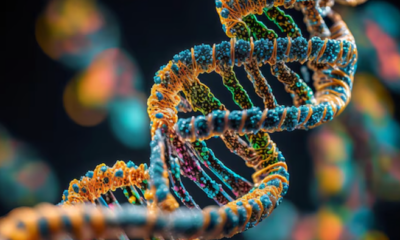
Researchers at Lund University in Sweden have identified a gene variant that plays a crucial role in the formation of new blood vessels in muscles. This discovery has significant implications for physical performance, health, and recovery, particularly in endurance sports. The favorable gene variant is notably more prevalent among elite athletes in endurance disciplines compared to those participating in explosive sports and non-athletes.
The study highlights how this genetic factor can enhance an athlete’s ability to sustain performance over extended periods. By facilitating better blood flow and oxygen delivery to muscles, the variant may also contribute to improved recovery times following strenuous exercise. This genetic mechanism could be a key differentiator in the physical capabilities of top endurance athletes.
Implications for Athletes and Fitness Enthusiasts
The findings suggest that understanding individual genetic profiles could aid athletes in tailoring their training regimens. Athletes with the advantageous gene variant may have a natural edge in endurance sports, which could influence their training strategies and overall performance outcomes. This research not only sheds light on the genetic foundations of athletic performance but also opens avenues for personalized training and injury prevention.
The study emphasizes the importance of genetic research in sports science. With the potential to identify which athletes could benefit from specific training approaches, coaches and trainers may be better equipped to optimize performance. Moreover, the insights gained could assist in developing targeted interventions to minimize injury risks associated with endurance activities.
Broader Health Implications
Beyond the realm of sports, the implications of this research extend to general health and recovery. Understanding how this gene variant functions could lead to advancements in treatments for individuals recovering from injuries or surgeries. Enhanced blood vessel formation is vital for recovery processes, and insights from this study may inform rehabilitation practices across various medical fields.
The research team, led by scientists at Lund University, encourages further exploration into the relationship between genetics and physical performance. As technologies in genetic testing become more accessible, athletes and fitness enthusiasts alike may soon have tools at their disposal to understand their genetic predispositions and make informed decisions about their training and health.
This groundbreaking study adds to the growing body of knowledge surrounding the impact of genetics on athletic performance. By pinpointing specific gene variants linked to endurance, researchers continue to unravel the complexities of human physiology and its relationship with sports and overall wellness. As these findings gain traction, they may reshape the future of training and recovery within the athletic community.

Philadelphia Parks Launch Free Earth Month Events Starting April 1

Bradford’s Fish Fry Fridays Serve Community with Delicious Dinners

Trump Faces Growing Challenges Amid Rising Tensions with Iran

Scientists Probe the Universe’s Missing Topological Defects

Samsung Galaxy Watch 9 to Feature Larger 435mAh Battery

UConn Huskies Aim to Defend Title in 2026 NCAA Women’s Tournament

U.S. Littoral Combat Ships Dock in Malaysia Amid Regional Tensions

Healthy Choice Wellness Reports Quarterly Earnings, Shares Rise

Urgent News: Charles M. Payment Passes Away at 78 in Duluth

University of Hawaiʻi Joins $25.6M AI Project to Enhance Disaster Monitoring

Major Grant Enhances Cancer Care and Research in Hawaiʻi

Joleen Chaney, Beloved Journalist, Passes Leaving Lasting Legacy

San Francisco’s SFO to Welcome 16 Airlines with Nonstop Flights to Europe in 2026

Goldman Sachs Unveils 2026 Catalyst Playbook for Biotech Investors

Discover Top Business Smartphones for Professionals in 2026

Urgent Update: Tom Aspinall’s Vision Deteriorates After UFC 321

Texas Roadhouse Honors Veterans with Free Meal Vouchers

CD Projekt Red Confirms No Release for The Witcher 4 in 2026
-
Science9 months ago
University of Hawaiʻi Joins $25.6M AI Project to Enhance Disaster Monitoring
-
 Health8 months ago
Major Grant Enhances Cancer Care and Research in Hawaiʻi
-
 Top Stories9 months ago
Joleen Chaney, Beloved Journalist, Passes Leaving Lasting Legacy
-
 World7 months ago
San Francisco’s SFO to Welcome 16 Airlines with Nonstop Flights to Europe in 2026
-
 Business8 months ago
Goldman Sachs Unveils 2026 Catalyst Playbook for Biotech Investors
-
 Business7 months ago
Discover Top Business Smartphones for Professionals in 2026
-
 Top Stories9 months ago
Urgent Update: Tom Aspinall’s Vision Deteriorates After UFC 321
-
 Lifestyle9 months ago
Texas Roadhouse Honors Veterans with Free Meal Vouchers
-
 Entertainment8 months ago
CD Projekt Red Confirms No Release for The Witcher 4 in 2026
-

 Top Stories10 months ago
AI Disruption: AWS Faces Threat as Startups Shift Cloud Focus
-

 Health10 months ago
MIT Scientists Uncover Surprising Genomic Loops During Cell Division
-

 Entertainment10 months ago
Discover the Full Map of Pokémon Legends: Z-A’s Lumiose City