
Health
SAB BIO Reveals Phase 1 Data on SAB-142 for Type 1 Diabetes

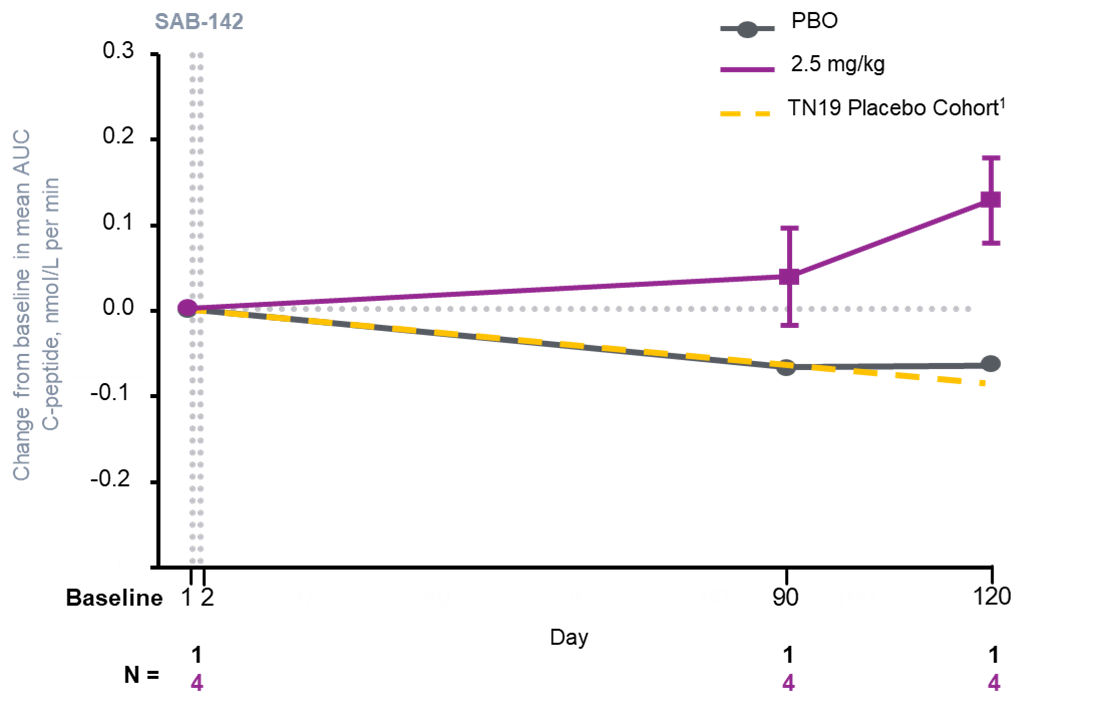
SAB BIO has announced additional Phase 1 data for its investigational drug, SAB-142, aimed at treating adult patients with established autoimmune Type 1 Diabetes (T1D). The results indicate early signals of C-peptide preservation, a critical marker in assessing the functionality of insulin-producing cells. This development could have significant implications for the management of T1D, which currently affects millions globally.
In a recorded webinar, Dr. Michael J. Haller, a key opinion leader in the field of diabetes, discussed the preliminary findings from the Phase 1 study. The data presented highlighted that patients receiving SAB-142 showed promising results in preserving C-peptide levels, suggesting potential benefits in maintaining insulin production.
Details from the Phase 1 Study
The Phase 1 data is now available on the SAB BIO corporate website in the Investors & Media section. The study focused on the measurement of C-peptide levels post-meal, which is critical in evaluating the residual insulin secretion in T1D patients. The findings, illustrated in a graph from the webinar, depict the mean area under the curve (AUC) for C-peptide levels, showcasing statistical significance in the treatment group compared to controls.
Dr. Haller referenced findings from a related study published in 2019 in the journal Diabetes, which demonstrated that low-dose anti-thymocyte globulin could preserve C-peptide levels and reduce HbA1c in new-onset Type 1 Diabetes patients. This earlier research laid the groundwork for understanding how immunomodulatory therapies can impact the disease course.
Implications for Type 1 Diabetes Management
The results of this Phase 1 study could mark a pivotal step in the treatment landscape for Type 1 Diabetes, a condition characterized by the autoimmune destruction of pancreatic beta cells. The ability to preserve C-peptide levels may help in managing blood glucose levels more effectively and reducing the risk of diabetes-related complications.
As patient populations continue to seek new therapeutic options, SAB BIO’s research into SAB-142 adds to the growing body of evidence supporting innovative treatment strategies. The company is committed to advancing its research and will continue to share updates as they progress through subsequent phases of clinical trials.
In conclusion, the recent data unveiled by SAB BIO and reviewed by Dr. Haller signals a promising advancement in the quest for effective treatments for Type 1 Diabetes. For more detailed information, interested parties can refer to the ongoing updates available through the company’s corporate communications.
For investor inquiries, please contact Cristi Barnett at [email protected] For media inquiries, reach out to Sheila Carlson at [email protected]

Philadelphia Parks Launch Free Earth Month Events Starting April 1

Bradford’s Fish Fry Fridays Serve Community with Delicious Dinners

Trump Faces Growing Challenges Amid Rising Tensions with Iran

Scientists Probe the Universe’s Missing Topological Defects

Samsung Galaxy Watch 9 to Feature Larger 435mAh Battery

UConn Huskies Aim to Defend Title in 2026 NCAA Women’s Tournament

U.S. Littoral Combat Ships Dock in Malaysia Amid Regional Tensions

Healthy Choice Wellness Reports Quarterly Earnings, Shares Rise

Urgent News: Charles M. Payment Passes Away at 78 in Duluth

University of Hawaiʻi Joins $25.6M AI Project to Enhance Disaster Monitoring

Major Grant Enhances Cancer Care and Research in Hawaiʻi

Joleen Chaney, Beloved Journalist, Passes Leaving Lasting Legacy

San Francisco’s SFO to Welcome 16 Airlines with Nonstop Flights to Europe in 2026

Goldman Sachs Unveils 2026 Catalyst Playbook for Biotech Investors

Discover Top Business Smartphones for Professionals in 2026

Urgent Update: Tom Aspinall’s Vision Deteriorates After UFC 321

Texas Roadhouse Honors Veterans with Free Meal Vouchers

CD Projekt Red Confirms No Release for The Witcher 4 in 2026
-
Science9 months ago
University of Hawaiʻi Joins $25.6M AI Project to Enhance Disaster Monitoring
-
 Health8 months ago
Major Grant Enhances Cancer Care and Research in Hawaiʻi
-
 Top Stories9 months ago
Joleen Chaney, Beloved Journalist, Passes Leaving Lasting Legacy
-
 World7 months ago
San Francisco’s SFO to Welcome 16 Airlines with Nonstop Flights to Europe in 2026
-
 Business8 months ago
Goldman Sachs Unveils 2026 Catalyst Playbook for Biotech Investors
-
 Business7 months ago
Discover Top Business Smartphones for Professionals in 2026
-
 Top Stories9 months ago
Urgent Update: Tom Aspinall’s Vision Deteriorates After UFC 321
-
 Lifestyle9 months ago
Texas Roadhouse Honors Veterans with Free Meal Vouchers
-
 Entertainment8 months ago
CD Projekt Red Confirms No Release for The Witcher 4 in 2026
-

 Top Stories10 months ago
AI Disruption: AWS Faces Threat as Startups Shift Cloud Focus
-

 Health10 months ago
MIT Scientists Uncover Surprising Genomic Loops During Cell Division
-

 Entertainment10 months ago
Discover the Full Map of Pokémon Legends: Z-A’s Lumiose City