
Health
Senate Faces Critical Decisions as ObamaCare Subsidies Expire

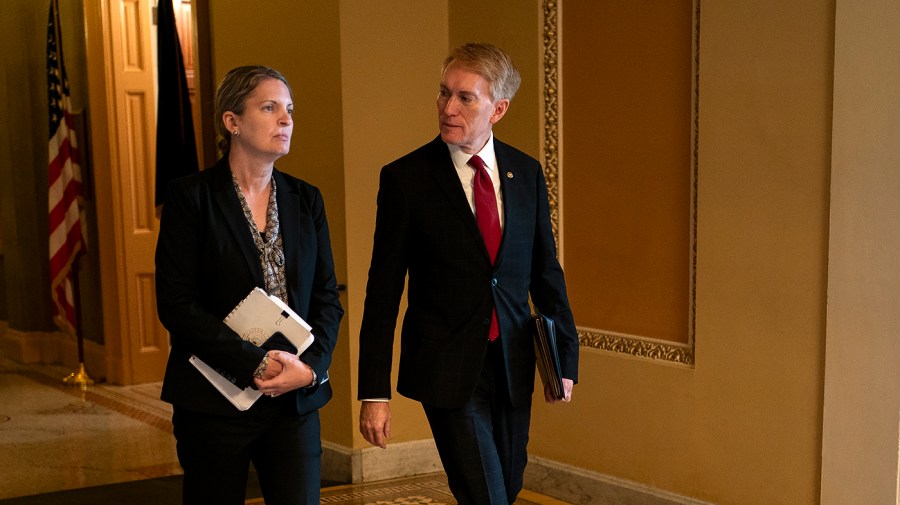
The U.S. Senate confronts a pivotal health care showdown as enhanced subsidies under the Affordable Care Act, commonly known as ObamaCare, are set to expire. With the deadline looming, lawmakers left Washington for the holiday season without reaching a consensus, raising concerns about the potential impact on millions of Americans relying on these financial aids.
Negotiations over the enhanced subsidies, which provide crucial support to low- and middle-income individuals and families, have dominated discussions for months. The urgency intensifies as the calendar turns to January 2024, a time when many lawmakers shift their focus to upcoming elections. This dynamic could complicate bipartisan efforts to address the health care funding crisis.
Senators are divided on the best path forward. Some advocate for extending the enhanced subsidies to ensure continued access to affordable health care. Others argue for a complete overhaul of the health care system, seeking alternatives that could reshape the landscape altogether.
The potential expiration of these subsidies poses significant risks. Without them, an estimated 3 million Americans could lose their health insurance coverage, according to data from the U.S. Department of Health and Human Services. Many beneficiaries rely on these subsidies to afford premiums and out-of-pocket costs, making their continuation crucial for maintaining health care access.
Senate leadership has indicated a willingness to negotiate, yet the political climate remains tense. As lawmakers prepare to return to the Capitol, the pressure to act swiftly mounts. A failure to reach an agreement could lead to increased health care costs for families and strain an already burdened system.
In the coming weeks, all eyes will be on Senate negotiators as they attempt to strike a balance between competing priorities. The outcome of these discussions will not only affect health care access for millions but will also play a significant role in shaping the political landscape as the 2024 elections approach.
As the deadline draws nearer, the Senate’s actions will be closely scrutinized, with many advocating for a solution that prioritizes the health and well-being of American families. The stakes are high, and the implications of this battle will resonate well beyond the walls of Congress.

Philadelphia Parks Launch Free Earth Month Events Starting April 1

Bradford’s Fish Fry Fridays Serve Community with Delicious Dinners

Trump Faces Growing Challenges Amid Rising Tensions with Iran

Scientists Probe the Universe’s Missing Topological Defects

Samsung Galaxy Watch 9 to Feature Larger 435mAh Battery

UConn Huskies Aim to Defend Title in 2026 NCAA Women’s Tournament

U.S. Littoral Combat Ships Dock in Malaysia Amid Regional Tensions

Healthy Choice Wellness Reports Quarterly Earnings, Shares Rise

Urgent News: Charles M. Payment Passes Away at 78 in Duluth

University of Hawaiʻi Joins $25.6M AI Project to Enhance Disaster Monitoring

Major Grant Enhances Cancer Care and Research in Hawaiʻi

Joleen Chaney, Beloved Journalist, Passes Leaving Lasting Legacy

San Francisco’s SFO to Welcome 16 Airlines with Nonstop Flights to Europe in 2026

Goldman Sachs Unveils 2026 Catalyst Playbook for Biotech Investors

Discover Top Business Smartphones for Professionals in 2026

Urgent Update: Tom Aspinall’s Vision Deteriorates After UFC 321

Texas Roadhouse Honors Veterans with Free Meal Vouchers

CD Projekt Red Confirms No Release for The Witcher 4 in 2026
-
Science9 months ago
University of Hawaiʻi Joins $25.6M AI Project to Enhance Disaster Monitoring
-
 Health8 months ago
Major Grant Enhances Cancer Care and Research in Hawaiʻi
-
 Top Stories9 months ago
Joleen Chaney, Beloved Journalist, Passes Leaving Lasting Legacy
-
 World7 months ago
San Francisco’s SFO to Welcome 16 Airlines with Nonstop Flights to Europe in 2026
-
 Business8 months ago
Goldman Sachs Unveils 2026 Catalyst Playbook for Biotech Investors
-
 Business8 months ago
Discover Top Business Smartphones for Professionals in 2026
-
 Top Stories10 months ago
Urgent Update: Tom Aspinall’s Vision Deteriorates After UFC 321
-
 Lifestyle9 months ago
Texas Roadhouse Honors Veterans with Free Meal Vouchers
-
 Entertainment8 months ago
CD Projekt Red Confirms No Release for The Witcher 4 in 2026
-

 Top Stories10 months ago
AI Disruption: AWS Faces Threat as Startups Shift Cloud Focus
-

 Health10 months ago
MIT Scientists Uncover Surprising Genomic Loops During Cell Division
-

 Entertainment10 months ago
Discover the Full Map of Pokémon Legends: Z-A’s Lumiose City