
Health
Transform Your Core: A Week of Flutter Kicks Surprised Me

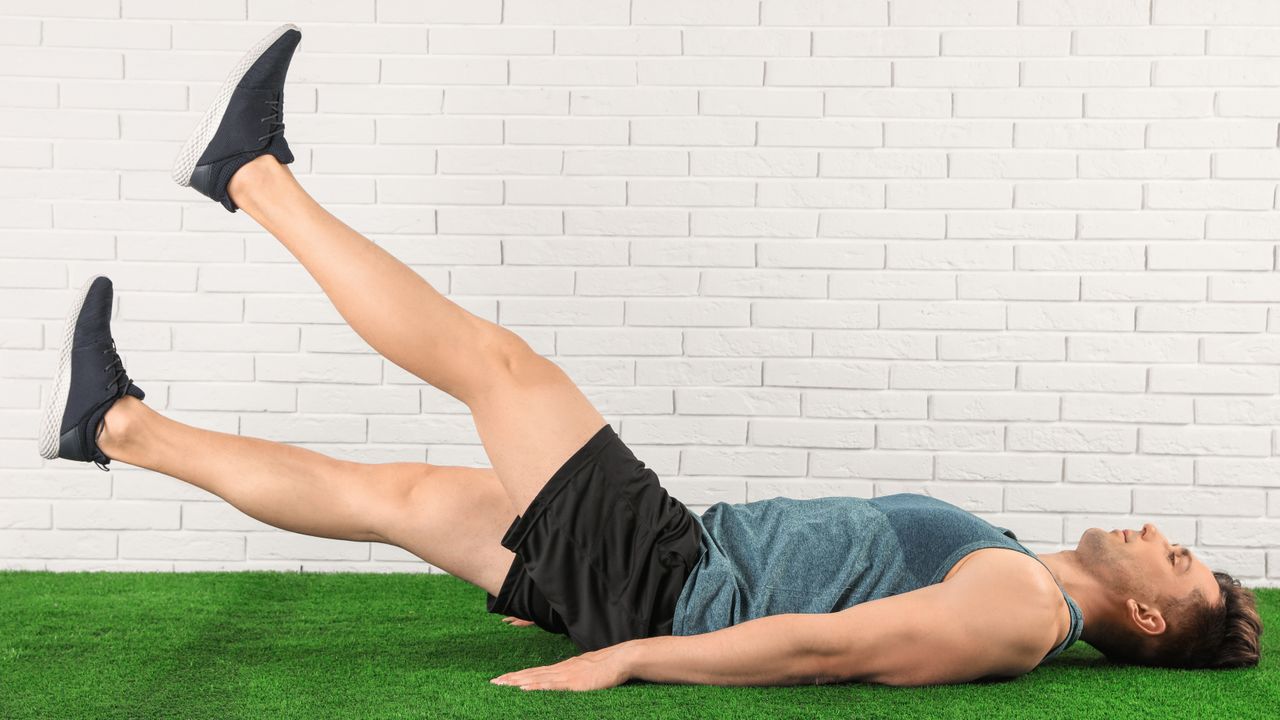
In a personal experiment to enhance core strength, I dedicated a week to performing flutter kicks daily. What began as a seemingly gentle exercise quickly revealed itself to be a challenging routine, reshaping my understanding of core workouts.
Understanding Flutter Kicks
The flutter kick is a core exercise that involves lying on your back and raising your straight legs approximately eight inches off the ground. The legs are then alternately moved up and down while ensuring the lower back remains pressed against the floor. Although the term “flutter” might suggest a light, airy motion, the reality is quite different. This exercise effectively targets not just the lower core muscles but also engages the rectus abdominus, commonly known as the six-pack muscle.
While the primary goal of flutter kicks is to enhance stability and posture, they can also help prevent or relieve back pain. A strong core is critical for overall health, and while aesthetics may be a motivating factor for some, it is essential to remember that a solid diet and cardiovascular activity are also crucial for visible results.
My Experience Over the Week
Initially, I approached the flutter kicks with confidence, believing the technique to be straightforward. On the first day, I completed three sets of 30 seconds each without much difficulty. However, I soon realized that the key to maximizing the benefits lay in slowing down the movement. When I shifted my focus and performed the exercise more deliberately, the challenge intensified significantly.
By day two, I extended each set to 45 seconds, and the effort became undeniably taxing. I found myself grunting as I fought to maintain control over my legs, determined not to let them touch the ground. Resisting the urge to bend my knees was vital, as doing so would have eased the difficulty but compromised the exercise’s effectiveness.
As I progressed into the week, I noticed distinct changes. By the third day, despite having only performed the flutter kicks for about two and a half minutes across three sets, I felt a noticeable engagement in my lower abs. Unlike my experiences with sit-ups or planks, this exercise left a lingering reminder of the effort in a way that improved my posture throughout the day.
On day four, I was able to push through three sets of one minute, with brief resting periods in between. Each session remained challenging, as I often found myself glancing at my phone, eagerly anticipating the end of each minute. Despite the simplicity of the flutter kick, it proved to be one of the most effective exercises I had encountered.
Moreover, the flutter kick also engaged my hip flexors and quadriceps, although the core muscles primarily dominated my focus. By the end of the week, I had not only developed a deeper appreciation for this exercise but also a stronger core overall.
In summary, the flutter kick is an excellent addition to any core workout routine, offering significant benefits when performed correctly. I encourage others to incorporate this exercise into their regimen. The results may surprise you, just as they did for me.
For more insights on fitness and health, follow Tom’s Guide for the latest news, analysis, and reviews.

Philadelphia Parks Launch Free Earth Month Events Starting April 1

Bradford’s Fish Fry Fridays Serve Community with Delicious Dinners

Trump Faces Growing Challenges Amid Rising Tensions with Iran

Scientists Probe the Universe’s Missing Topological Defects

Samsung Galaxy Watch 9 to Feature Larger 435mAh Battery

UConn Huskies Aim to Defend Title in 2026 NCAA Women’s Tournament

U.S. Littoral Combat Ships Dock in Malaysia Amid Regional Tensions

Healthy Choice Wellness Reports Quarterly Earnings, Shares Rise

Urgent News: Charles M. Payment Passes Away at 78 in Duluth

University of Hawaiʻi Joins $25.6M AI Project to Enhance Disaster Monitoring

Major Grant Enhances Cancer Care and Research in Hawaiʻi

Joleen Chaney, Beloved Journalist, Passes Leaving Lasting Legacy

San Francisco’s SFO to Welcome 16 Airlines with Nonstop Flights to Europe in 2026

Goldman Sachs Unveils 2026 Catalyst Playbook for Biotech Investors

Discover Top Business Smartphones for Professionals in 2026

Urgent Update: Tom Aspinall’s Vision Deteriorates After UFC 321

Texas Roadhouse Honors Veterans with Free Meal Vouchers

CD Projekt Red Confirms No Release for The Witcher 4 in 2026
-
Science9 months ago
University of Hawaiʻi Joins $25.6M AI Project to Enhance Disaster Monitoring
-
 Health8 months ago
Major Grant Enhances Cancer Care and Research in Hawaiʻi
-
 Top Stories9 months ago
Joleen Chaney, Beloved Journalist, Passes Leaving Lasting Legacy
-
 World7 months ago
San Francisco’s SFO to Welcome 16 Airlines with Nonstop Flights to Europe in 2026
-
 Business8 months ago
Goldman Sachs Unveils 2026 Catalyst Playbook for Biotech Investors
-
 Business7 months ago
Discover Top Business Smartphones for Professionals in 2026
-
 Top Stories9 months ago
Urgent Update: Tom Aspinall’s Vision Deteriorates After UFC 321
-
 Lifestyle9 months ago
Texas Roadhouse Honors Veterans with Free Meal Vouchers
-
 Entertainment8 months ago
CD Projekt Red Confirms No Release for The Witcher 4 in 2026
-

 Top Stories10 months ago
AI Disruption: AWS Faces Threat as Startups Shift Cloud Focus
-

 Health10 months ago
MIT Scientists Uncover Surprising Genomic Loops During Cell Division
-

 Entertainment10 months ago
Discover the Full Map of Pokémon Legends: Z-A’s Lumiose City