
Health
Transforming Chaos into Clarity: Rethinking NotebookLM Usage

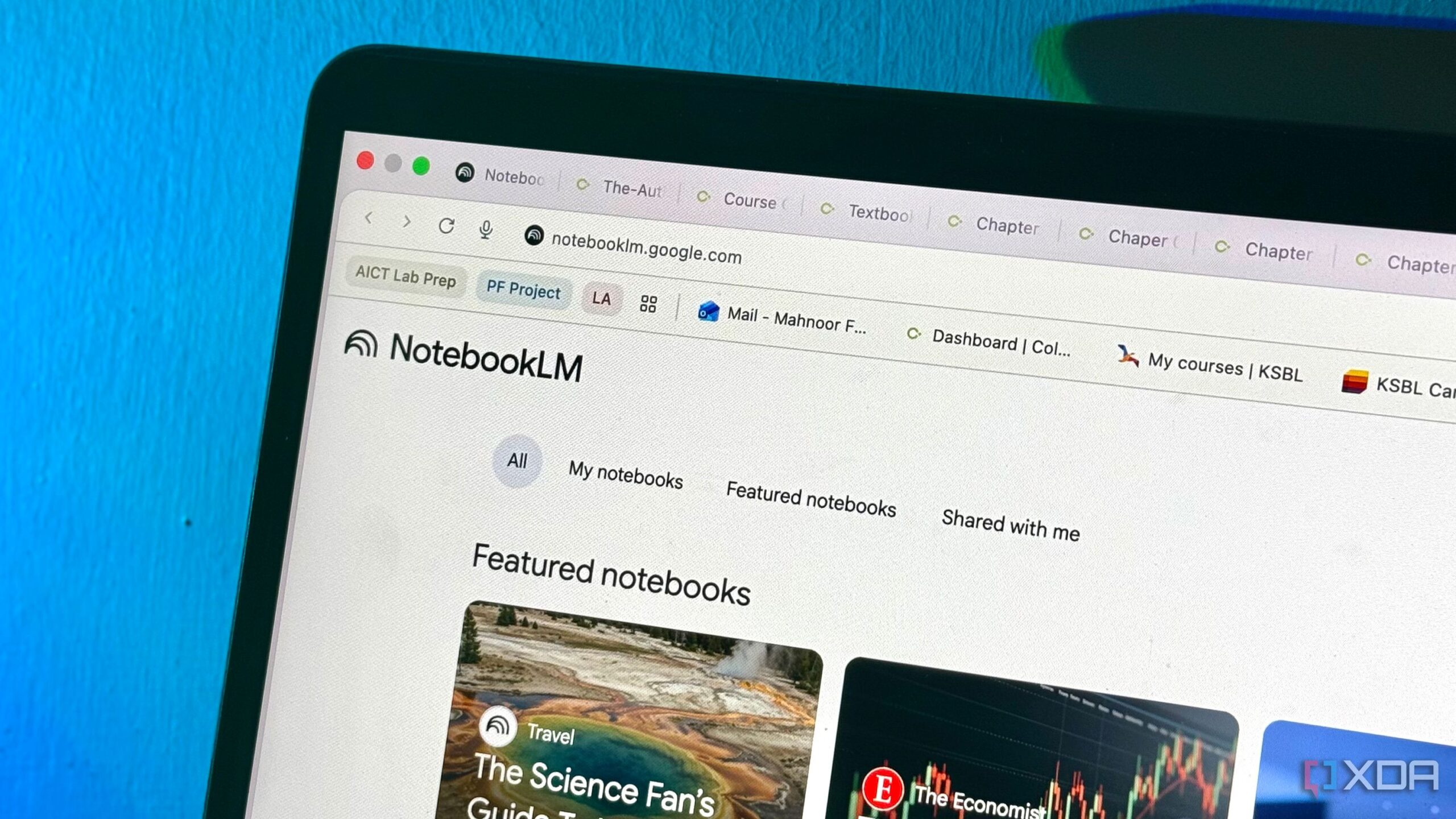
NotebookLM, a tool primarily used for summarizing structured documents, has shown remarkable versatility when employed in a less conventional manner. Instead of providing polished articles or formatted documents, users are discovering that feeding the platform unstructured data—such as raw meeting notes, voice memos, and half-formed ideas—can yield surprisingly insightful results. This shift in approach has positioned NotebookLM as a valuable asset, especially for individuals navigating complex projects.
Exploring a New Approach to Input
Traditionally, users have treated NotebookLM like a research librarian, uploading completed reports or clean research papers. This method certainly has its merits; it allows for effective synthesis of existing information. Students, researchers, and content teams often utilize the platform to distill information from orderly sources into actionable insights. However, when the input is already coherent, the output can be predictably mundane, offering little beyond what users already know.
A user experimenting with NotebookLM’s capabilities stumbled upon a transformative method. Following a particularly chaotic week filled with client calls, they decided to input all their fragmented thoughts—voice notes, bulleted ideas, and even screenshots from conversations. What emerged from this disorder proved unexpected. NotebookLM identified recurring themes and concerns across disparate sources, highlighting connections that were previously overlooked.
Harnessing the Power of Messy Inputs
The true potential of NotebookLM appears when users upload chaotic inputs, such as voice memo transcripts. Speaking naturally often reveals a different dimension of thought compared to writing. In conversation, individuals tend to vocalize their reasoning processes, including uncertainties and alternative perspectives. By feeding these informal recordings into NotebookLM, users find that the tool extracts core themes and insights that might not be immediately apparent.
For instance, a user reported that uploading a 20-minute voice memo led to the identification of a central thesis they had not consciously articulated. The tool effectively discerned the underlying logic of their spoken thoughts, transforming disarray into clarity. The more scattered the input, the richer the insights generated, enabling users to uncover subconscious priorities and connections in their thinking.
NotebookLM’s ability to recognize patterns in unstructured data also extends to collections of notes or images. Users have found success by submitting random screenshots from brainstorming sessions or incomplete email drafts. The platform connects these fragments, offering a new perspective on their ongoing projects. In one case, a user found that their scattered thoughts across six distinct tools revealed three different approaches to a problem, allowing them to focus on the most promising angle.
While this chaos-first approach may not be suitable for all scenarios, especially those requiring systematic analysis or structured research, it shines in environments where generative thinking is needed. As users grapple with the complexities of early project stages, the insights gained from messy inputs can illuminate paths forward that polished materials fail to reveal.
In conclusion, embracing disorder when using NotebookLM can unlock a new layer of understanding. This innovative method not only enhances individual workflows but also encourages a more dynamic approach to idea generation and problem-solving. Users are discovering that by flipping their input strategy, they can harness the full potential of this powerful tool, turning chaos into clarity.

Philadelphia Parks Launch Free Earth Month Events Starting April 1

Bradford’s Fish Fry Fridays Serve Community with Delicious Dinners

Trump Faces Growing Challenges Amid Rising Tensions with Iran

Scientists Probe the Universe’s Missing Topological Defects

Samsung Galaxy Watch 9 to Feature Larger 435mAh Battery

UConn Huskies Aim to Defend Title in 2026 NCAA Women’s Tournament

U.S. Littoral Combat Ships Dock in Malaysia Amid Regional Tensions

Healthy Choice Wellness Reports Quarterly Earnings, Shares Rise

Urgent News: Charles M. Payment Passes Away at 78 in Duluth

University of Hawaiʻi Joins $25.6M AI Project to Enhance Disaster Monitoring

Major Grant Enhances Cancer Care and Research in Hawaiʻi

Joleen Chaney, Beloved Journalist, Passes Leaving Lasting Legacy

San Francisco’s SFO to Welcome 16 Airlines with Nonstop Flights to Europe in 2026

Goldman Sachs Unveils 2026 Catalyst Playbook for Biotech Investors

Discover Top Business Smartphones for Professionals in 2026

Urgent Update: Tom Aspinall’s Vision Deteriorates After UFC 321

Texas Roadhouse Honors Veterans with Free Meal Vouchers

CD Projekt Red Confirms No Release for The Witcher 4 in 2026
-
Science9 months ago
University of Hawaiʻi Joins $25.6M AI Project to Enhance Disaster Monitoring
-
 Health8 months ago
Major Grant Enhances Cancer Care and Research in Hawaiʻi
-
 Top Stories9 months ago
Joleen Chaney, Beloved Journalist, Passes Leaving Lasting Legacy
-
 World7 months ago
San Francisco’s SFO to Welcome 16 Airlines with Nonstop Flights to Europe in 2026
-
 Business8 months ago
Goldman Sachs Unveils 2026 Catalyst Playbook for Biotech Investors
-
 Business7 months ago
Discover Top Business Smartphones for Professionals in 2026
-
 Top Stories9 months ago
Urgent Update: Tom Aspinall’s Vision Deteriorates After UFC 321
-
 Lifestyle9 months ago
Texas Roadhouse Honors Veterans with Free Meal Vouchers
-
 Entertainment8 months ago
CD Projekt Red Confirms No Release for The Witcher 4 in 2026
-

 Top Stories10 months ago
AI Disruption: AWS Faces Threat as Startups Shift Cloud Focus
-

 Health10 months ago
MIT Scientists Uncover Surprising Genomic Loops During Cell Division
-

 Entertainment10 months ago
Discover the Full Map of Pokémon Legends: Z-A’s Lumiose City