
Health
US Supreme Court to Review Hikma’s Challenge on Generic Drug Labels

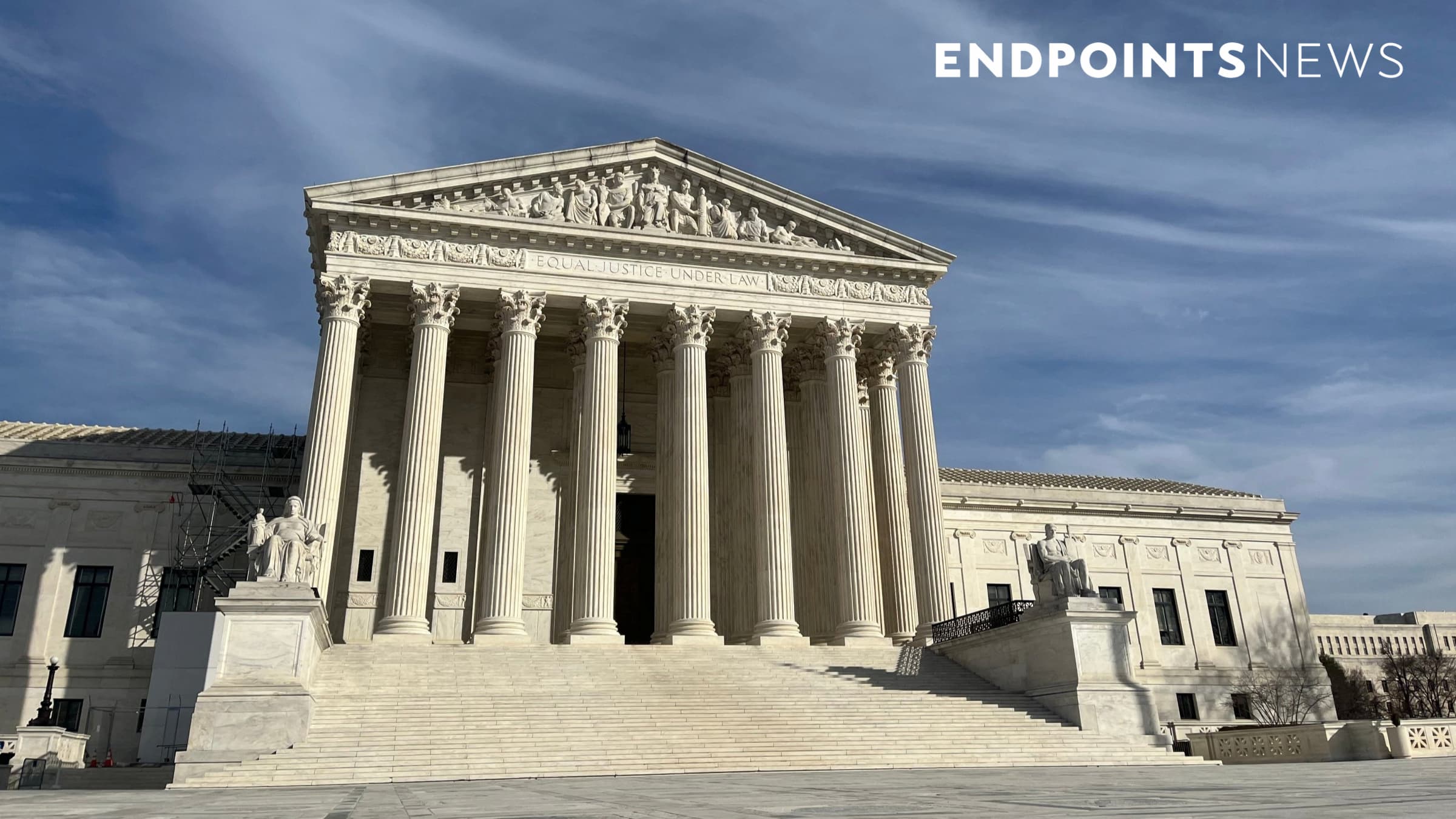
The US Supreme Court has agreed to review a significant case involving Hikma Pharmaceuticals and Amarin Corporation concerning the labeling of generic drugs. This decision could have far-reaching implications for pharmaceutical practices in the United States.
At the heart of the case is Hikma’s challenge to a ruling regarding what is known as a “skinny label.” This type of label allows generic drug manufacturers to market their products while omitting certain indications or uses that are protected by patents. Hikma argues that the current ruling could undermine this common practice, which has been crucial for the introduction of affordable generic medications.
The case stems from a dispute over Hikma’s generic version of Amarin’s prescription medication, which is used to treat specific cardiovascular conditions. Amarin holds patents for various uses of the drug, and Hikma’s current label does not include these patented uses. The Supreme Court’s decision to hear the case, set for January 2024, signals the potential for a shift in how generic drugs are marketed and could affect pricing and accessibility.
Hikma claims that the ability to use skinny labels is essential for providing more affordable options to consumers. In their view, the ruling against them could hinder competition and limit the availability of generics in the market. The company emphasizes the importance of maintaining a robust generic drug market, which plays a vital role in healthcare affordability.
Amarin, on the other hand, argues that the protection of its patented uses is necessary to ensure that innovation in drug development is rewarded. The company asserts that Hikma’s approach could lead to confusion among healthcare providers and patients regarding the appropriate uses of its medication.
The implications of this case extend beyond the companies involved. A ruling in favor of Hikma could pave the way for more generic drugs to enter the market quickly, potentially lowering healthcare costs for many patients. Conversely, a decision in favor of Amarin could reinforce the protections around pharmaceutical patents, impacting future innovations and pricing strategies.
As the January hearing approaches, stakeholders in the pharmaceutical industry and healthcare advocacy groups are closely monitoring developments. The outcome of this case could redefine the landscape of generic drug labeling and its impact on both manufacturers and consumers.

Philadelphia Parks Launch Free Earth Month Events Starting April 1

Bradford’s Fish Fry Fridays Serve Community with Delicious Dinners

Trump Faces Growing Challenges Amid Rising Tensions with Iran

Scientists Probe the Universe’s Missing Topological Defects

Samsung Galaxy Watch 9 to Feature Larger 435mAh Battery

UConn Huskies Aim to Defend Title in 2026 NCAA Women’s Tournament

U.S. Littoral Combat Ships Dock in Malaysia Amid Regional Tensions

Healthy Choice Wellness Reports Quarterly Earnings, Shares Rise

Urgent News: Charles M. Payment Passes Away at 78 in Duluth

University of Hawaiʻi Joins $25.6M AI Project to Enhance Disaster Monitoring

Major Grant Enhances Cancer Care and Research in Hawaiʻi

Joleen Chaney, Beloved Journalist, Passes Leaving Lasting Legacy

San Francisco’s SFO to Welcome 16 Airlines with Nonstop Flights to Europe in 2026

Goldman Sachs Unveils 2026 Catalyst Playbook for Biotech Investors

Discover Top Business Smartphones for Professionals in 2026

Urgent Update: Tom Aspinall’s Vision Deteriorates After UFC 321

Texas Roadhouse Honors Veterans with Free Meal Vouchers

CD Projekt Red Confirms No Release for The Witcher 4 in 2026
-
Science9 months ago
University of Hawaiʻi Joins $25.6M AI Project to Enhance Disaster Monitoring
-
 Health8 months ago
Major Grant Enhances Cancer Care and Research in Hawaiʻi
-
 Top Stories9 months ago
Joleen Chaney, Beloved Journalist, Passes Leaving Lasting Legacy
-
 World7 months ago
San Francisco’s SFO to Welcome 16 Airlines with Nonstop Flights to Europe in 2026
-
 Business8 months ago
Goldman Sachs Unveils 2026 Catalyst Playbook for Biotech Investors
-
 Business8 months ago
Discover Top Business Smartphones for Professionals in 2026
-
 Top Stories9 months ago
Urgent Update: Tom Aspinall’s Vision Deteriorates After UFC 321
-
 Lifestyle9 months ago
Texas Roadhouse Honors Veterans with Free Meal Vouchers
-
 Entertainment8 months ago
CD Projekt Red Confirms No Release for The Witcher 4 in 2026
-

 Top Stories10 months ago
AI Disruption: AWS Faces Threat as Startups Shift Cloud Focus
-

 Health10 months ago
MIT Scientists Uncover Surprising Genomic Loops During Cell Division
-

 Entertainment10 months ago
Discover the Full Map of Pokémon Legends: Z-A’s Lumiose City