
Lifestyle
Addressing Personal Boundaries: Navigating Office Privacy Issues

A clergy member has raised concerns about privacy and boundaries in their office space, highlighting issues that many couples may face when navigating personal and professional lives. The individual expressed frustration over their spouse’s frequent intrusion into their office, which houses sensitive information about parishioners.
The clergy person described their office as a space integral to their work, yet their spouse often enters without permission, handling confidential materials. Despite attempts to discuss the issue, conversations have led to defensiveness and conflict. Seeking advice, the clergy member posed their dilemma to relationship columnist Eric Thomas, who suggested a straightforward solution: installing a lock on the office door.
According to Thomas, securing the office is not just about protecting privacy but also reflects the need for respect regarding professional boundaries. He emphasized that the office is not communal property but a dedicated workspace for the clergy member’s role. While a lock could help, Thomas pointed out that the underlying issue lies in the spouse’s lack of respect for the clergy person’s job and the confidentiality of parishioners. He recommended considering marriage counseling to facilitate better communication and understanding between the couple.
In another case, a spouse expressed distress over their partner’s ex continuing to display a photo of them on social media. The ex-partner had previously been abusive, making the situation even more troubling for the couple. Despite multiple requests to remove the photo, it remained visible, causing emotional distress. The concerned spouse sought advice on how to handle the situation.
Thomas acknowledged that legal protections regarding online images can differ by jurisdiction, advising the couple to consult an attorney for possible recourse. He noted that engaging with the ex, even through legal means, might only exacerbate their anxiety. As an alternative, he suggested blocking the ex on social media to regain a sense of peace and distance.
The topic of sympathy cards also arose in a query about the appropriateness of including money in these cards. A reader expressed discomfort with the practice, viewing it as a transactional gesture that undermines genuine condolences. Thomas clarified that while including money is not a common practice, some choose to do so as a form of support during difficult times. He emphasized that the intent is not to assign a monetary value to sympathy but to assist those facing unexpected funeral expenses. If individuals feel uncomfortable accepting money, they can choose to decline it or donate it elsewhere.
These inquiries reflect the complexities of personal relationships and the challenges of establishing boundaries. Whether addressing professional space in a home office or navigating past relationships, clear communication and mutual respect are vital in fostering understanding and harmony.
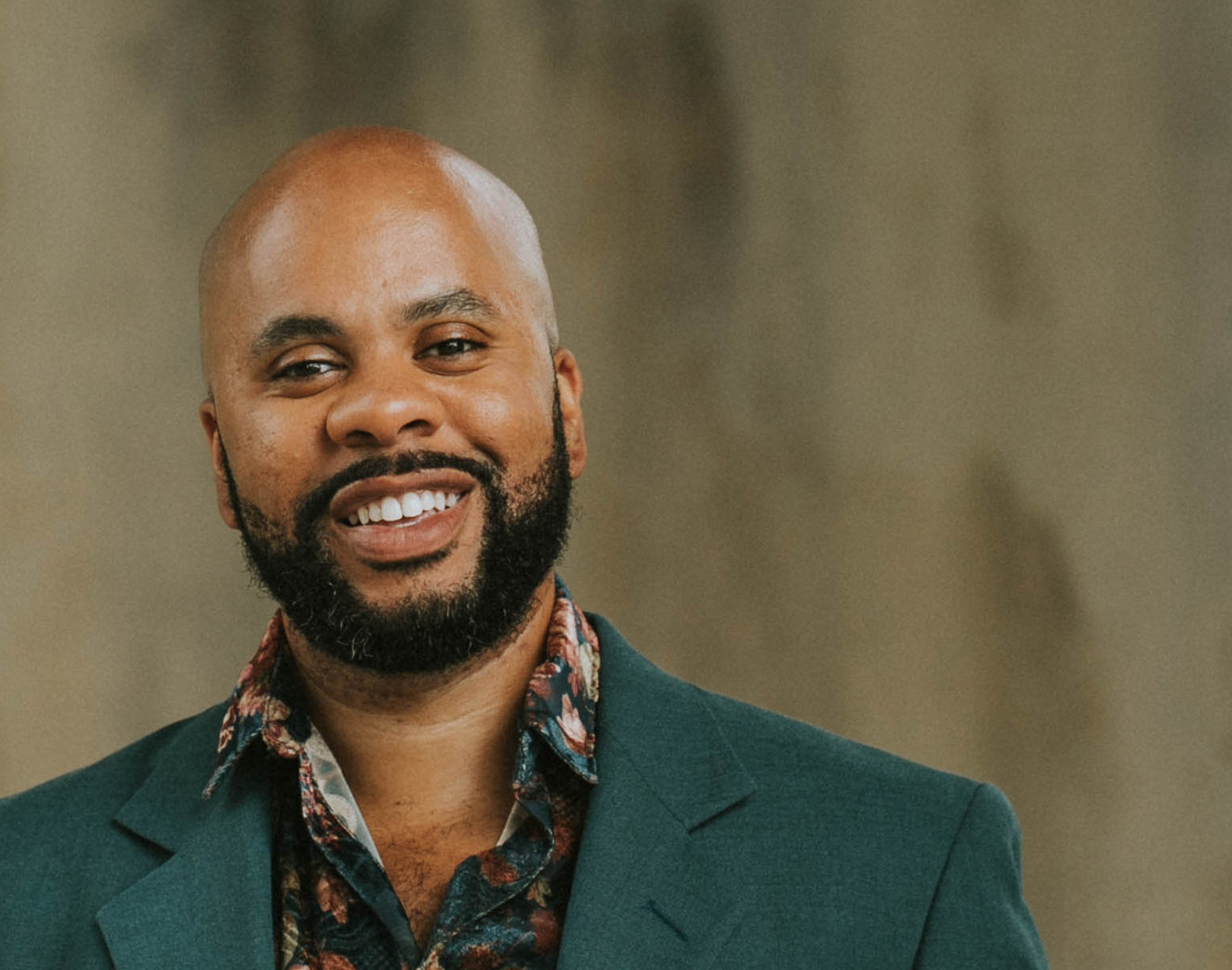
Individuals seeking advice can reach out to R. Eric Thomas at [email protected] or P.O. Box 22474, Philadelphia, PA 19110. For weekly insights, follow him on Instagram or subscribe to his newsletter at rericthomas.com.

Philadelphia Parks Launch Free Earth Month Events Starting April 1

Bradford’s Fish Fry Fridays Serve Community with Delicious Dinners

Trump Faces Growing Challenges Amid Rising Tensions with Iran

Scientists Probe the Universe’s Missing Topological Defects

Samsung Galaxy Watch 9 to Feature Larger 435mAh Battery

UConn Huskies Aim to Defend Title in 2026 NCAA Women’s Tournament

U.S. Littoral Combat Ships Dock in Malaysia Amid Regional Tensions

Healthy Choice Wellness Reports Quarterly Earnings, Shares Rise

Urgent News: Charles M. Payment Passes Away at 78 in Duluth

University of Hawaiʻi Joins $25.6M AI Project to Enhance Disaster Monitoring

Major Grant Enhances Cancer Care and Research in Hawaiʻi

Joleen Chaney, Beloved Journalist, Passes Leaving Lasting Legacy

San Francisco’s SFO to Welcome 16 Airlines with Nonstop Flights to Europe in 2026

Goldman Sachs Unveils 2026 Catalyst Playbook for Biotech Investors

Discover Top Business Smartphones for Professionals in 2026

Urgent Update: Tom Aspinall’s Vision Deteriorates After UFC 321

Texas Roadhouse Honors Veterans with Free Meal Vouchers

CD Projekt Red Confirms No Release for The Witcher 4 in 2026
-
Science9 months ago
University of Hawaiʻi Joins $25.6M AI Project to Enhance Disaster Monitoring
-
 Health8 months ago
Major Grant Enhances Cancer Care and Research in Hawaiʻi
-
 Top Stories9 months ago
Joleen Chaney, Beloved Journalist, Passes Leaving Lasting Legacy
-
 World7 months ago
San Francisco’s SFO to Welcome 16 Airlines with Nonstop Flights to Europe in 2026
-
 Business8 months ago
Goldman Sachs Unveils 2026 Catalyst Playbook for Biotech Investors
-
 Business8 months ago
Discover Top Business Smartphones for Professionals in 2026
-
 Top Stories9 months ago
Urgent Update: Tom Aspinall’s Vision Deteriorates After UFC 321
-
 Lifestyle9 months ago
Texas Roadhouse Honors Veterans with Free Meal Vouchers
-
 Entertainment8 months ago
CD Projekt Red Confirms No Release for The Witcher 4 in 2026
-

 Top Stories10 months ago
AI Disruption: AWS Faces Threat as Startups Shift Cloud Focus
-

 Health10 months ago
MIT Scientists Uncover Surprising Genomic Loops During Cell Division
-

 Entertainment10 months ago
Discover the Full Map of Pokémon Legends: Z-A’s Lumiose City