
Lifestyle
Reflecting on the Heroism of Martin Luther King Jr.

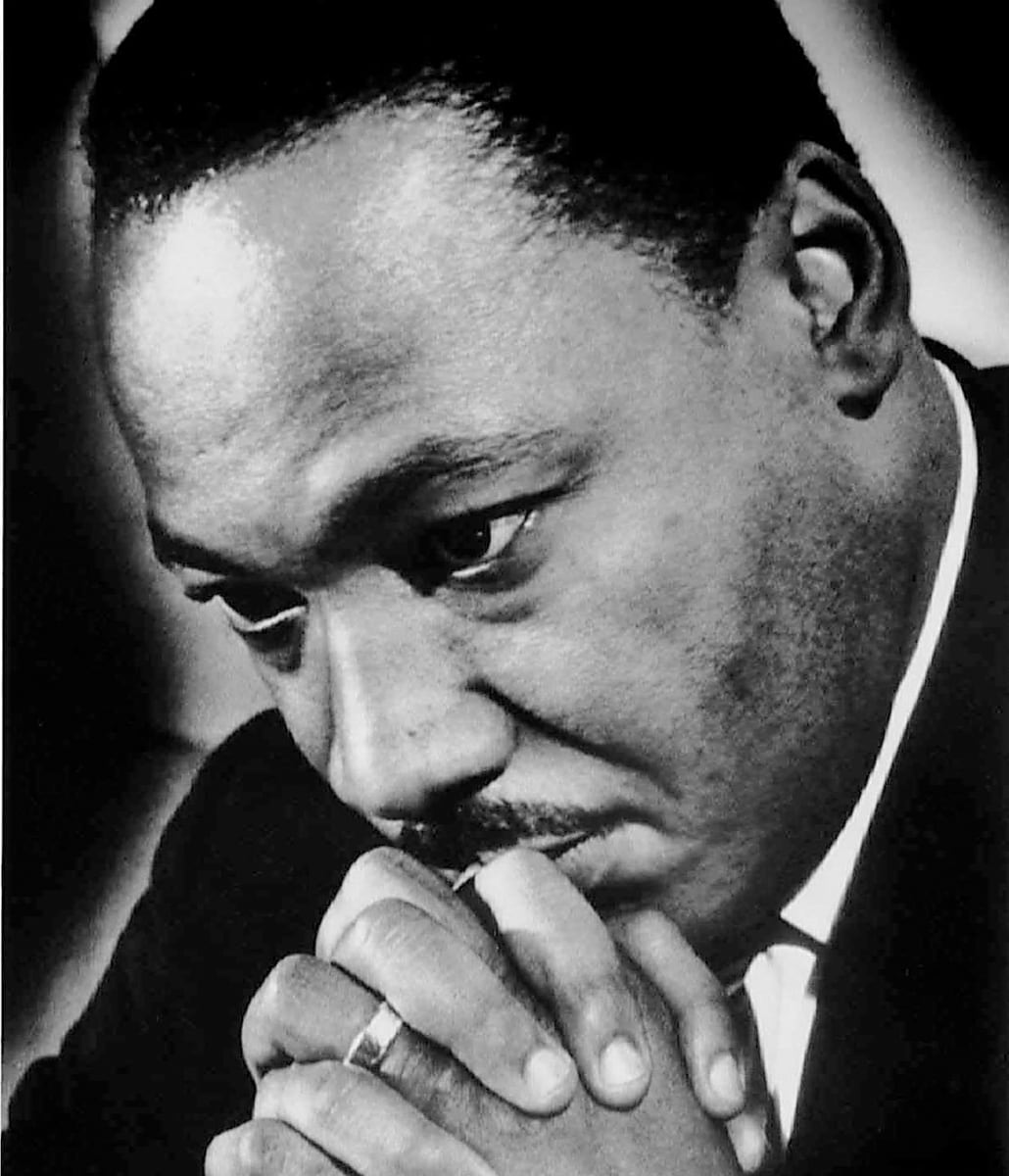
Bijan C. Bayne, a cultural critic from Boston, vividly recalls the profound impact of the Rev. Martin Luther King Jr. on his childhood. Between 1966 and 1968, Bayne and his friends found solace in the notion of superheroes, believing in figures like Superman and Batman. Yet, in their reality, King emerged as a real-life hero, embodying the principles of justice and peace during a time of significant societal upheaval.
For Bayne, growing up as a Black child in a largely integrated environment at Georgetown Day School in Washington, D.C., King was more than a historical figure; he was a beacon of hope whose dream felt tangible. He remembered the moments King appeared on television, walking into cities marked by hostility, speaking with calm authority, and leaving behind a sense of peace. King’s presence was a promise of protection and progress, making him a symbol of real-world heroism.
The shocking news of King’s assassination on April 4, 1968, shattered Bayne’s childhood innocence. He was in his living room, anticipating an episode of “Truth or Consequences” when a bulletin interrupted the broadcast. The announcement revealed that King had been shot in Memphis. The abruptness of the news left a profound impact on the young boy, who felt the weight of history crashing into the safety of his home.
“I didn’t want him to die,” Bayne said, a phrase that encapsulated the disbelief and sorrow felt by countless individuals. His mother and grandmother, initially unaware of the tragic news, soon joined him in front of the television, grappling with the reality of King’s death. Bayne recalls the atmosphere of uncertainty that enveloped their household, especially as curfews were declared in Washington, D.C., in an effort to maintain order amidst rising tensions.
In the aftermath, Bayne witnessed the chaos that ensued. Young people ran through the streets, caught up in a wave of unrest. His cousin suggested displaying a sign in their window to signal solidarity with the Black community, highlighting the urgency of the moment. This collective grief and confusion marked a significant shift in the perception of safety and security in their lives.
When King’s funeral aired on television, Bayne found himself unable to watch, opting instead to play outside. At school, the administration organized an assembly to reflect on King’s life, distributing blank composition books for students to express their feelings about the tragedy. Bayne sat in silence, unable to articulate the depth of his emotions, feeling that words were insufficient to capture the loss of a man he had seen as invincible.
Years later, while visiting his aunt’s house, he discovered a book containing children’s reflections on King’s death. Flipping through the pages, he longed for the words he had been unable to find during that pivotal moment in his youth. As an adult, he understands King as a complex figure—an extraordinary leader and a flawed human being.
Yet, for Bayne as a child, King represented something more symbolic. His assassination marked a turning point, a moment when the world seemed to reject the rules of justice and protection that had been ingrained in him. The realization that a superhero could fall shattered the illusion of safety and left a lasting impression on Bayne’s understanding of the world.
In reflecting on King’s legacy, Bayne invites readers to acknowledge the profound human impact of the civil rights leader’s work, emphasizing the need for ongoing dialogue and action toward justice. The memory of King continues to serve as a reminder of the struggle for equality and the importance of standing up against hatred and violence.

Philadelphia Parks Launch Free Earth Month Events Starting April 1

Bradford’s Fish Fry Fridays Serve Community with Delicious Dinners

Trump Faces Growing Challenges Amid Rising Tensions with Iran

Scientists Probe the Universe’s Missing Topological Defects

Samsung Galaxy Watch 9 to Feature Larger 435mAh Battery

UConn Huskies Aim to Defend Title in 2026 NCAA Women’s Tournament

U.S. Littoral Combat Ships Dock in Malaysia Amid Regional Tensions

Healthy Choice Wellness Reports Quarterly Earnings, Shares Rise

Urgent News: Charles M. Payment Passes Away at 78 in Duluth

University of Hawaiʻi Joins $25.6M AI Project to Enhance Disaster Monitoring

Major Grant Enhances Cancer Care and Research in Hawaiʻi

Joleen Chaney, Beloved Journalist, Passes Leaving Lasting Legacy

San Francisco’s SFO to Welcome 16 Airlines with Nonstop Flights to Europe in 2026

Goldman Sachs Unveils 2026 Catalyst Playbook for Biotech Investors

Discover Top Business Smartphones for Professionals in 2026

Urgent Update: Tom Aspinall’s Vision Deteriorates After UFC 321

Texas Roadhouse Honors Veterans with Free Meal Vouchers

CD Projekt Red Confirms No Release for The Witcher 4 in 2026
-
Science9 months ago
University of Hawaiʻi Joins $25.6M AI Project to Enhance Disaster Monitoring
-
 Health8 months ago
Major Grant Enhances Cancer Care and Research in Hawaiʻi
-
 Top Stories9 months ago
Joleen Chaney, Beloved Journalist, Passes Leaving Lasting Legacy
-
 World7 months ago
San Francisco’s SFO to Welcome 16 Airlines with Nonstop Flights to Europe in 2026
-
 Business8 months ago
Goldman Sachs Unveils 2026 Catalyst Playbook for Biotech Investors
-
 Business7 months ago
Discover Top Business Smartphones for Professionals in 2026
-
 Top Stories9 months ago
Urgent Update: Tom Aspinall’s Vision Deteriorates After UFC 321
-
 Lifestyle9 months ago
Texas Roadhouse Honors Veterans with Free Meal Vouchers
-
 Entertainment8 months ago
CD Projekt Red Confirms No Release for The Witcher 4 in 2026
-

 Top Stories10 months ago
AI Disruption: AWS Faces Threat as Startups Shift Cloud Focus
-

 Health10 months ago
MIT Scientists Uncover Surprising Genomic Loops During Cell Division
-

 Entertainment10 months ago
Discover the Full Map of Pokémon Legends: Z-A’s Lumiose City