
Lifestyle
Transform Your Landscape Photography with Simple Depth Techniques

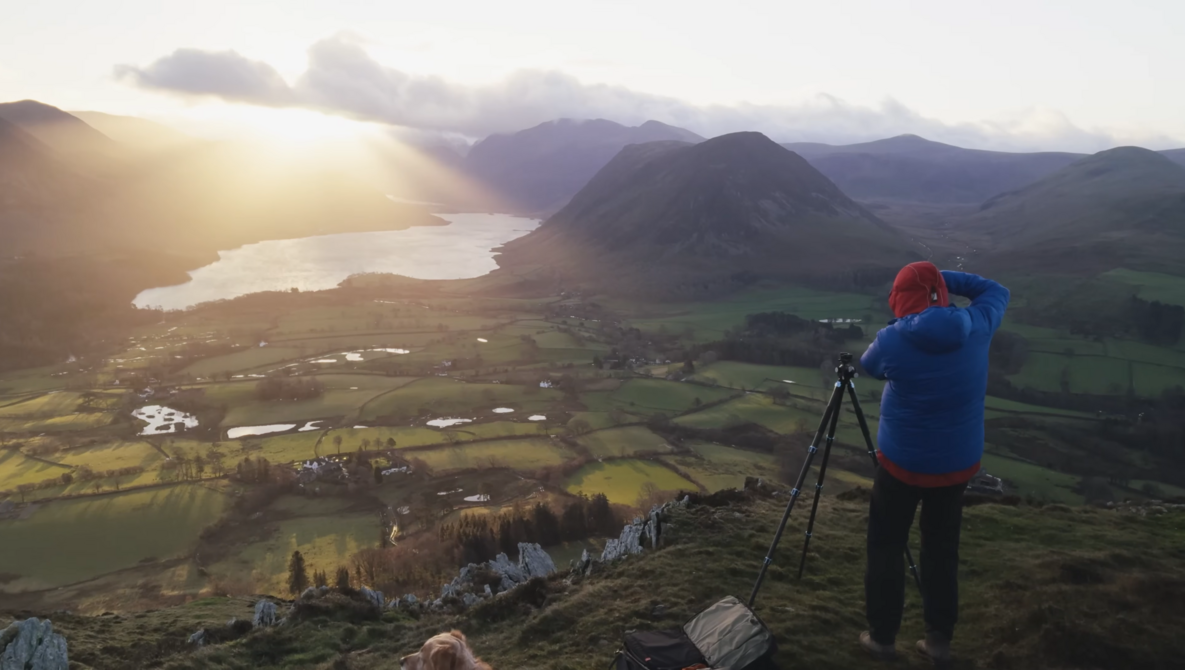
Capturing breathtaking landscapes can often lead to disappointing results when viewing images on a screen. A recent video by photographer and meteorologist Alex Cooke explores effective techniques to enhance depth in landscape photography, addressing the common issue of wide vistas appearing flat in photographs.
The video begins by explaining the fundamental difference between human vision and camera capabilities. While the human eye perceives depth through two lenses, a camera captures images using a single sensor, which can result in a flat representation of expansive scenes. Cooke emphasizes that this disparity is why a location may feel vast in person yet fall flat in a photograph.
Key Techniques for Enhancing Depth
One of the primary strategies discussed is the concept of relative size. By framing a shot to include repetitive shapes from the foreground to the background, viewers can regain a sense of distance. This technique encourages the brain to perceive layers rather than a single flat plane. Additionally, Cooke warns against creating overly uniform scenes where no element appears close enough to anchor the viewer’s attention.
The video also highlights actionable editing techniques, particularly the use of selective haze to create depth. By adjusting the Dehaze control in Lightroom, photographers can soften the edges of background elements and reduce contrast selectively. This method allows for a clear distinction between the foreground and midground, preventing them from competing with distant horizons. Cooke advises against applying haze uniformly, which can result in an undesirable foggy appearance.
Pre-Shooting Considerations and Gear Choices
Shifting focus from post-processing, Cooke discusses the importance of light direction before capturing an image. Utilizing side lighting enhances textures by creating highlights and shadows, giving dimension to surfaces such as rocks and walls. He illustrates this concept using a lighthouse example, demonstrating how improper lighting can render an otherwise captivating scene flat.
Cooke also addresses a common pitfall in landscape photography: maintaining an appropriate distance from subjects. Standing too far back can exaggerate spatial relationships, making the foreground elements appear less impactful. By moving closer to subjects, photographers can create a stronger sense of space and depth without needing to be in a visually striking location.
Among the video’s tips are practical suggestions for positioning and adjusting settings. Cooke encourages viewers to experiment with overlapping elements in busy scenes, such as forests, to enhance depth perception. His insights aim to inspire photographers to rethink their approach, not just in editing but also in the moments leading up to pressing the shutter.
For those interested in more in-depth techniques, Alex Cooke’s video provides a comprehensive guide to improving landscape photography. It serves as both a tutorial for beginners and a refresher for seasoned photographers looking to elevate their craft.
In summary, by applying these techniques and understanding the relationship between light and depth, photographers can transform their images from flat to visually compelling representations of the landscapes they love.

Philadelphia Parks Launch Free Earth Month Events Starting April 1

Bradford’s Fish Fry Fridays Serve Community with Delicious Dinners

Trump Faces Growing Challenges Amid Rising Tensions with Iran

Scientists Probe the Universe’s Missing Topological Defects

Samsung Galaxy Watch 9 to Feature Larger 435mAh Battery

UConn Huskies Aim to Defend Title in 2026 NCAA Women’s Tournament

U.S. Littoral Combat Ships Dock in Malaysia Amid Regional Tensions

Healthy Choice Wellness Reports Quarterly Earnings, Shares Rise

Urgent News: Charles M. Payment Passes Away at 78 in Duluth

University of Hawaiʻi Joins $25.6M AI Project to Enhance Disaster Monitoring

Major Grant Enhances Cancer Care and Research in Hawaiʻi

Joleen Chaney, Beloved Journalist, Passes Leaving Lasting Legacy

San Francisco’s SFO to Welcome 16 Airlines with Nonstop Flights to Europe in 2026

Goldman Sachs Unveils 2026 Catalyst Playbook for Biotech Investors

Discover Top Business Smartphones for Professionals in 2026

Urgent Update: Tom Aspinall’s Vision Deteriorates After UFC 321

Texas Roadhouse Honors Veterans with Free Meal Vouchers

CD Projekt Red Confirms No Release for The Witcher 4 in 2026
-
Science9 months ago
University of Hawaiʻi Joins $25.6M AI Project to Enhance Disaster Monitoring
-
 Health8 months ago
Major Grant Enhances Cancer Care and Research in Hawaiʻi
-
 Top Stories9 months ago
Joleen Chaney, Beloved Journalist, Passes Leaving Lasting Legacy
-
 World7 months ago
San Francisco’s SFO to Welcome 16 Airlines with Nonstop Flights to Europe in 2026
-
 Business8 months ago
Goldman Sachs Unveils 2026 Catalyst Playbook for Biotech Investors
-
 Business8 months ago
Discover Top Business Smartphones for Professionals in 2026
-
 Top Stories9 months ago
Urgent Update: Tom Aspinall’s Vision Deteriorates After UFC 321
-
 Lifestyle9 months ago
Texas Roadhouse Honors Veterans with Free Meal Vouchers
-
 Entertainment8 months ago
CD Projekt Red Confirms No Release for The Witcher 4 in 2026
-

 Top Stories10 months ago
AI Disruption: AWS Faces Threat as Startups Shift Cloud Focus
-

 Health10 months ago
MIT Scientists Uncover Surprising Genomic Loops During Cell Division
-

 Entertainment10 months ago
Discover the Full Map of Pokémon Legends: Z-A’s Lumiose City