
Lifestyle
Wilfredo Lam’s Art Reclaims Modernism at MoMA Exhibition

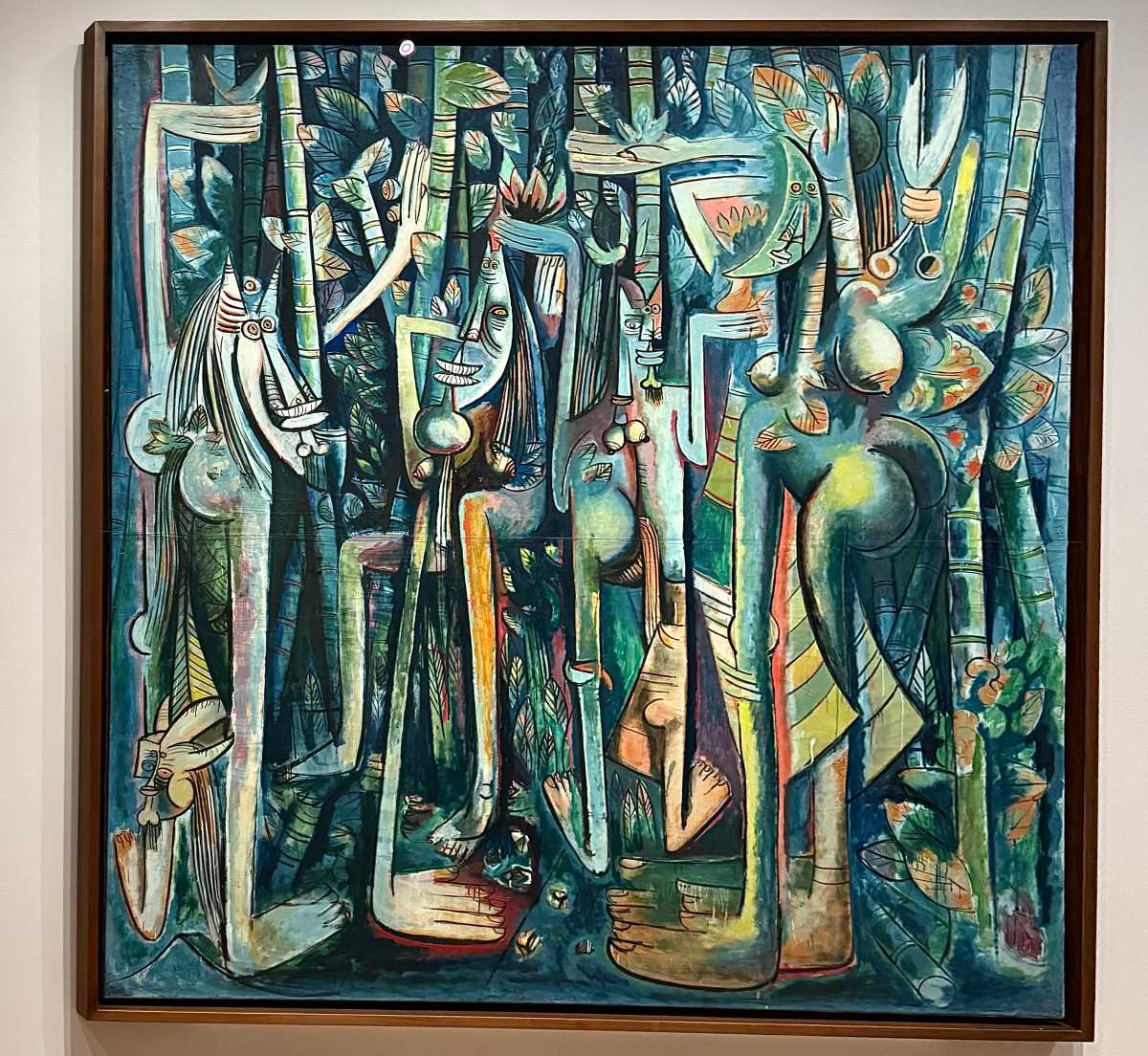
Wilfredo Lam’s transformative art is currently on display at the Museum of Modern Art (MoMA) in New York, as part of the exhibition titled “When I Sleep, I Dream.” This showcase represents a significant recalibration of modernism, emphasizing Lam’s unique contributions that challenge and expand traditional art historical narratives. Rather than a retrospective, this exhibition positions Lam as a pivotal figure in reimagining modernism through his rich cultural heritage.
Exploring Cultural Fusion and Identity
Born in 1902 in Sagua La Grande, Cuba, to a Chinese immigrant father and an Afro-Cuban mother, Lam’s work embodies a diverse visual and spiritual vocabulary. His upbringing instilled in him an understanding of objects as vessels and the interplay of line and philosophy. This background informs his art, which marries Afro-Cuban cosmology with European modernist influences.
Lam’s time in Europe refined his formal skills while preserving his original intent. He engaged with Cubism and Surrealism, viewing these movements as tools rather than dogmas. He recognized that while European modernism fractured traditional forms, it often overlooked the complexities of colonial violence and spiritual erasure. In his art, Lam responded not through imitation or rebellion, but through transformation and innovation.
Powerful Works on Display
Two standout pieces in the exhibition reveal Lam’s exceptional ability to convey meaning through form. “The Jungle” (1943) is one of the most psychologically charged paintings of the 20th century. The artwork features sugarcane stalks that rise like vertical bars, compressing the space and merging human and plant forms. These elongated figures evoke a sense of entanglement, embodying both human and spiritual elements.
“This is not a depiction of a place, but a condition,” a critic noted, emphasizing how Lam transforms plantation history into a powerful commentary on colonial trauma.
In contrast, “Je Suis” (1949) presents a different aspect of Lam’s artistry. The title, which translates to “I Am” in French, resonates as both a metaphysical and political declaration. Created in the postwar period, this painting asserts existence against systems designed to diminish it. The figures within remain abstract yet assertive, demanding recognition without pleading for it.
The restrained color palette of muted blues, greens, and whites invites contemplation, offering viewers a moment to engage deeply with the work. Together, these pieces illustrate Lam’s mastery in creating art that serves as both an internal and external exploration of identity and history.
Displaying Lam’s work at a prestigious institution like MoMA underscores the significance of diverse representation in the art world. His presence reaffirms that modernism is not a singular narrative but a multifaceted discourse intertwined with the legacies of diaspora and power.
This exhibition is not merely for passive viewing; it requires engagement and introspection from its audience. Visitors will find themselves intellectually challenged and emotionally stirred, as Lam’s art reshapes how history is understood. Institutions play a crucial role in showcasing transformative art, and Wilfredo Lam exemplifies this endeavor through his enduring and sovereign expressions.
To experience this remarkable exhibition, visit MoMA.org for more information.

Philadelphia Parks Launch Free Earth Month Events Starting April 1

Bradford’s Fish Fry Fridays Serve Community with Delicious Dinners

Trump Faces Growing Challenges Amid Rising Tensions with Iran

Scientists Probe the Universe’s Missing Topological Defects

Samsung Galaxy Watch 9 to Feature Larger 435mAh Battery

UConn Huskies Aim to Defend Title in 2026 NCAA Women’s Tournament

U.S. Littoral Combat Ships Dock in Malaysia Amid Regional Tensions

Healthy Choice Wellness Reports Quarterly Earnings, Shares Rise

Urgent News: Charles M. Payment Passes Away at 78 in Duluth

University of Hawaiʻi Joins $25.6M AI Project to Enhance Disaster Monitoring

Major Grant Enhances Cancer Care and Research in Hawaiʻi

Joleen Chaney, Beloved Journalist, Passes Leaving Lasting Legacy

San Francisco’s SFO to Welcome 16 Airlines with Nonstop Flights to Europe in 2026

Goldman Sachs Unveils 2026 Catalyst Playbook for Biotech Investors

Discover Top Business Smartphones for Professionals in 2026

Urgent Update: Tom Aspinall’s Vision Deteriorates After UFC 321

Texas Roadhouse Honors Veterans with Free Meal Vouchers

CD Projekt Red Confirms No Release for The Witcher 4 in 2026
-
Science9 months ago
University of Hawaiʻi Joins $25.6M AI Project to Enhance Disaster Monitoring
-
 Health8 months ago
Major Grant Enhances Cancer Care and Research in Hawaiʻi
-
 Top Stories9 months ago
Joleen Chaney, Beloved Journalist, Passes Leaving Lasting Legacy
-
 World7 months ago
San Francisco’s SFO to Welcome 16 Airlines with Nonstop Flights to Europe in 2026
-
 Business8 months ago
Goldman Sachs Unveils 2026 Catalyst Playbook for Biotech Investors
-
 Business8 months ago
Discover Top Business Smartphones for Professionals in 2026
-
 Top Stories9 months ago
Urgent Update: Tom Aspinall’s Vision Deteriorates After UFC 321
-
 Lifestyle9 months ago
Texas Roadhouse Honors Veterans with Free Meal Vouchers
-
 Entertainment8 months ago
CD Projekt Red Confirms No Release for The Witcher 4 in 2026
-

 Top Stories10 months ago
AI Disruption: AWS Faces Threat as Startups Shift Cloud Focus
-

 Health10 months ago
MIT Scientists Uncover Surprising Genomic Loops During Cell Division
-

 Entertainment10 months ago
Discover the Full Map of Pokémon Legends: Z-A’s Lumiose City