
Politics
CBS’s “60 Minutes” Segment on Deportations Censored by New Editor

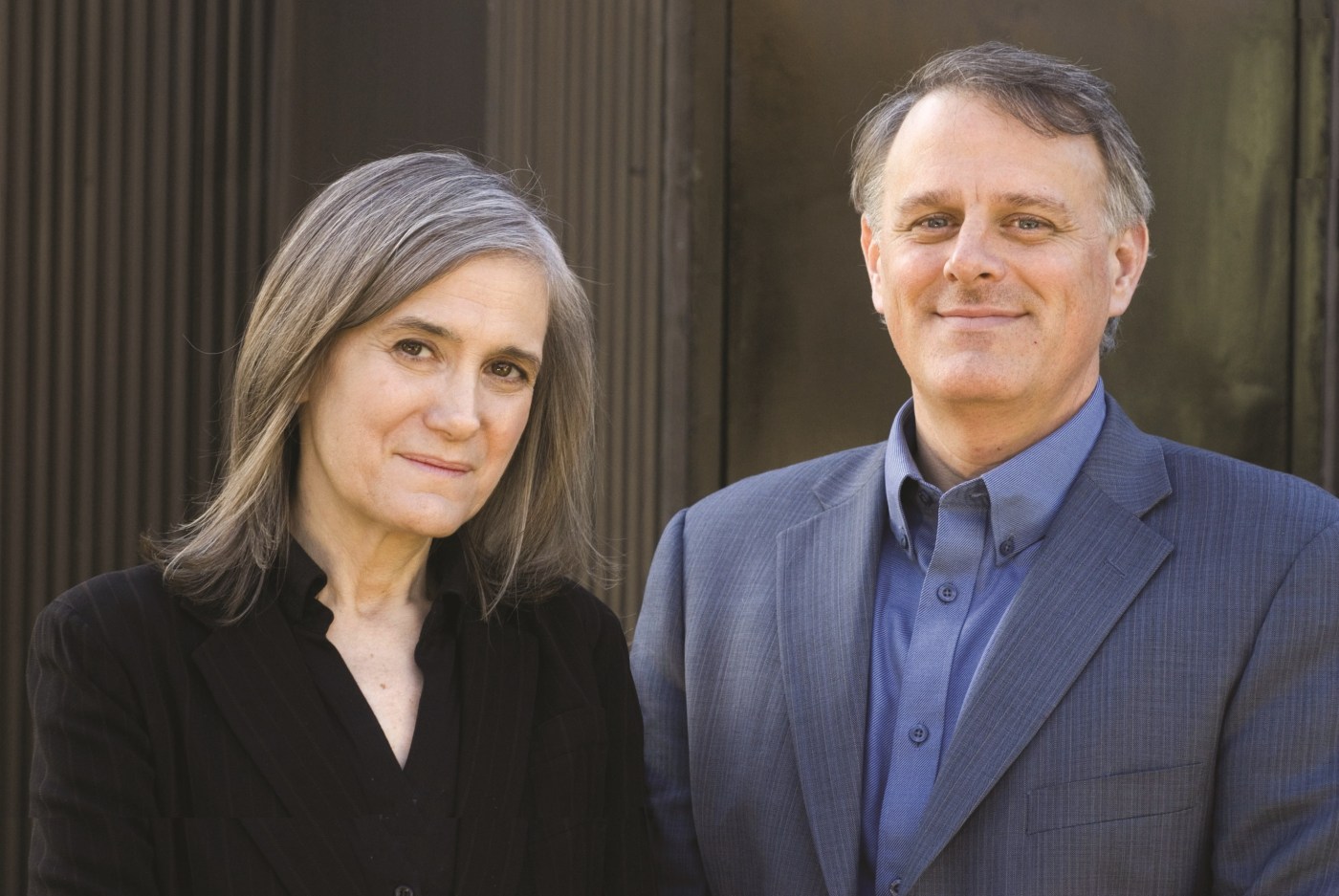
A segment of CBS’s flagship news program, “60 Minutes,” focusing on the mass deportation of Venezuelan men to El Salvador’s infamous CECOT prison, was abruptly canceled. The decision was made by Bari Weiss, the newly appointed Editor-in-Chief of CBS News. This incident has raised concerns about corporate media consolidation and its detrimental effects on democratic values.
The segment detailed the experiences of deported individuals, who were transported from the United States to CECOT, officially known as the Terrorism Confinement Center. Opened in 2022 under President Nayib Bukele, CECOT is notorious for its harsh conditions and human rights abuses. The Biden administration’s actions, specifically a $5 million agreement with El Salvador to imprison deported individuals, further complicate the situation. Reports indicate that prisoners were airlifted to CECOT in apparent violation of a federal court order, including at least 252 Venezuelan men and others like Kilmar Abrego Garcia, a Salvadoran native.
Eyewitness accounts from these men reveal harrowing conditions. In a recorded interview, one deportee, Luis Muñoz Pinto, stated, “We thought we were already the living dead, honestly.” The story, which had already aired in Canada, garnered significant attention online after its cancellation in the U.S.
Internal communications suggest that Weiss halted the segment due to a perceived lack of sufficient commentary from the Trump administration. Sharyn Alfonsi, the correspondent for “60 Minutes,” expressed concerns in an internal email about granting the administration a “kill switch” over critical reporting. She noted that the administration’s refusal to participate should not justify sidelining an important story.
This incident comes in the wake of CBS facing legal challenges from Donald Trump, who previously sued the network over an interview with Vice President Kamala Harris. Although legal experts suggested CBS would have prevailed, the network settled for $15 million due to potential conflicts related to its parent company, Paramount, and its merger discussions with Skydance Media, owned by billionaire Larry Ellison.
The media landscape remains fraught with challenges as corporate interests increasingly dictate editorial decisions. The Ellisons, who have been involved in multiple media acquisitions, are reportedly pursuing a hostile takeover of Warner Brothers/Discovery, heightening concerns about media monopolization. This could further limit the diversity of viewpoints and reduce accountability in journalism.
The implications of this censorship extend beyond individual stories. According to Alexa Koenig from the Human Rights Center at the University of California, Berkeley, the suppression of such critical narratives undermines the public’s understanding of governmental actions that are funded by taxpayer dollars.
As the media landscape continues to evolve, the necessity for independent journalism becomes increasingly clear. The public must advocate for a media system that prioritizes truth and accountability, rather than corporate interests. True democracy relies on a robust and independent press, capable of challenging power and providing a platform for marginalized voices.
In summary, the censorship of this critical report by CBS raises significant questions about the relationship between corporate interests and journalistic integrity. The ongoing situation at CECOT and the broader implications of media consolidation warrant careful scrutiny as the public seeks to understand the realities of deportation and human rights abuses occurring under their government.

Philadelphia Parks Launch Free Earth Month Events Starting April 1

Bradford’s Fish Fry Fridays Serve Community with Delicious Dinners

Trump Faces Growing Challenges Amid Rising Tensions with Iran

Scientists Probe the Universe’s Missing Topological Defects

Samsung Galaxy Watch 9 to Feature Larger 435mAh Battery

UConn Huskies Aim to Defend Title in 2026 NCAA Women’s Tournament

U.S. Littoral Combat Ships Dock in Malaysia Amid Regional Tensions

Healthy Choice Wellness Reports Quarterly Earnings, Shares Rise

Urgent News: Charles M. Payment Passes Away at 78 in Duluth

University of Hawaiʻi Joins $25.6M AI Project to Enhance Disaster Monitoring

Major Grant Enhances Cancer Care and Research in Hawaiʻi

Joleen Chaney, Beloved Journalist, Passes Leaving Lasting Legacy

San Francisco’s SFO to Welcome 16 Airlines with Nonstop Flights to Europe in 2026

Goldman Sachs Unveils 2026 Catalyst Playbook for Biotech Investors

Discover Top Business Smartphones for Professionals in 2026

Urgent Update: Tom Aspinall’s Vision Deteriorates After UFC 321

Texas Roadhouse Honors Veterans with Free Meal Vouchers

CD Projekt Red Confirms No Release for The Witcher 4 in 2026
-
Science9 months ago
University of Hawaiʻi Joins $25.6M AI Project to Enhance Disaster Monitoring
-
 Health8 months ago
Major Grant Enhances Cancer Care and Research in Hawaiʻi
-
 Top Stories9 months ago
Joleen Chaney, Beloved Journalist, Passes Leaving Lasting Legacy
-
 World7 months ago
San Francisco’s SFO to Welcome 16 Airlines with Nonstop Flights to Europe in 2026
-
 Business8 months ago
Goldman Sachs Unveils 2026 Catalyst Playbook for Biotech Investors
-
 Business8 months ago
Discover Top Business Smartphones for Professionals in 2026
-
 Top Stories9 months ago
Urgent Update: Tom Aspinall’s Vision Deteriorates After UFC 321
-
 Lifestyle9 months ago
Texas Roadhouse Honors Veterans with Free Meal Vouchers
-
 Entertainment8 months ago
CD Projekt Red Confirms No Release for The Witcher 4 in 2026
-

 Top Stories10 months ago
AI Disruption: AWS Faces Threat as Startups Shift Cloud Focus
-

 Health10 months ago
MIT Scientists Uncover Surprising Genomic Loops During Cell Division
-

 Entertainment10 months ago
Discover the Full Map of Pokémon Legends: Z-A’s Lumiose City