
Politics
Connecticut State Police Settle Lawsuit, Revise Protest Guidelines

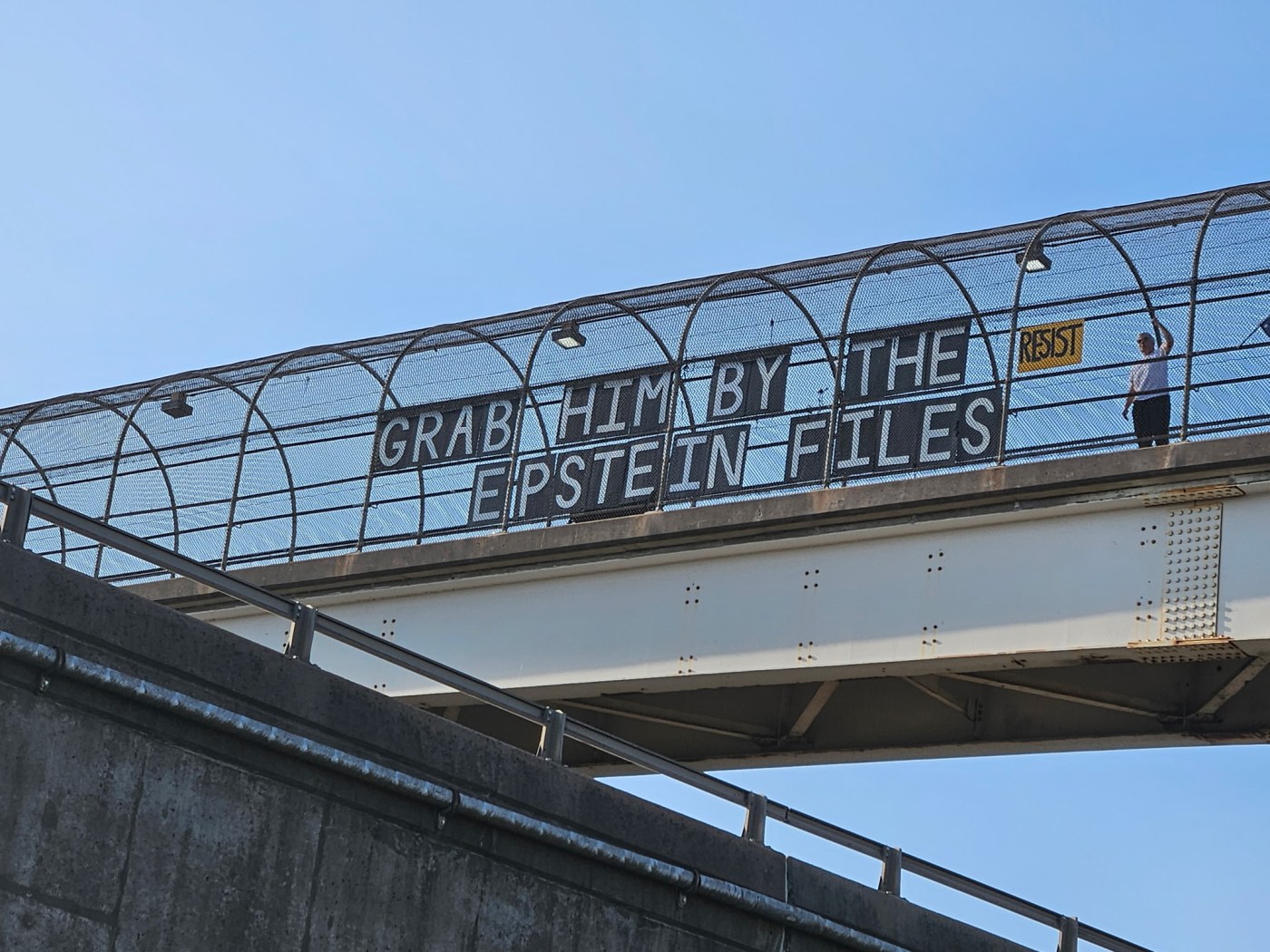
A federal lawsuit alleging violations of the First Amendment by the Connecticut State Police has concluded with a settlement agreement. This lawsuit stemmed from the police’s actions during multiple anti-Trump protests on highway overpasses in 2022. The agreement, revealed on March 14, 2023, between the state police and the American Civil Liberties Union of Connecticut (ACLU), mandates new guidance for officers on managing protests in these areas.
The settlement stipulates that state police will cease dispersing demonstrations on highway overpasses, addressing concerns raised about driver distraction. Dan Barrett, legal director of the ACLU Foundation of Connecticut, stated, “We are glad that the state police will now stop breaking up demonstrations based on claims of driver distraction. This is an important win for protest rights at a critical time when such freedoms are under increasing pressure across the country.”
Settlement Details and Implications
The agreement was facilitated by Stefan Underhill, the federal judge overseeing the case, who noted that both parties were close to a resolution. The settlement includes provisions prohibiting the state police from using charges such as trespassing or breach of peace to disrupt peaceful assemblies on sidewalks. Additionally, it bars officers from using these charges to identify or detain demonstrators.
However, the agreement does not extend protections to individuals inciting “imminent unlawful action” or those engaging in “fighting words.” It also specifies that individuals affixing signs to overpass fences or dropping items onto highways do not receive these protections.
Following the announcement, the state police issued a statement indicating their commitment to ensuring public safety while respecting citizens’ First Amendment rights. They expressed appreciation for the collaborative efforts with the ACLU on these significant issues.
Background of the Lawsuit
The lawsuit was initiated in September 2022 on behalf of Connecticut residents Erin Quinn and Robert Marra, both activists with the Visibility Brigade. They reported being harassed and threatened with prosecution by state troopers while protesting against then-President Donald Trump and his administration’s policies on overpasses along Interstate 91.
Visibility Brigade is a network of activist groups across Connecticut and the United States, advocating for various social issues. The lawsuit highlighted that over a dozen protesters received tickets and were told they could not hold signs over highway overpasses. The police cited concerns over driver distraction and claimed that demonstrators were trespassing on state property.
The case gained further attention when Katherine Hinds, a 72-year-old activist, was arrested twice in connection with these protests. Her arrests were described as the “last straw” in a series of escalating tensions between police and demonstrators. The subsequent charges against her, including breach of peace and trespassing, were dismissed in court.
Hinds expressed her relief and gratitude regarding the settlement, stating, “I’m mostly thrilled that, in the Constitution State, a ruling came down where both sides agreed that our First Amendment rights are paramount.”
ACLU leadership highlighted the importance of this agreement as a reinforcement of constitutional protections. David McGuire, executive director of the ACLU of Connecticut, remarked, “This settlement is an important win for the right to protest at a time when we have witnessed that freedom come under attack across the country.”
In closing, the Connecticut State Police have encouraged demonstrators to limit their activities to sidewalk areas, emphasizing the need for safety while exercising their rights to peaceful protest.

Philadelphia Parks Launch Free Earth Month Events Starting April 1

Bradford’s Fish Fry Fridays Serve Community with Delicious Dinners

Trump Faces Growing Challenges Amid Rising Tensions with Iran

Scientists Probe the Universe’s Missing Topological Defects

Samsung Galaxy Watch 9 to Feature Larger 435mAh Battery

UConn Huskies Aim to Defend Title in 2026 NCAA Women’s Tournament

U.S. Littoral Combat Ships Dock in Malaysia Amid Regional Tensions

Healthy Choice Wellness Reports Quarterly Earnings, Shares Rise

Urgent News: Charles M. Payment Passes Away at 78 in Duluth

University of Hawaiʻi Joins $25.6M AI Project to Enhance Disaster Monitoring

Major Grant Enhances Cancer Care and Research in Hawaiʻi

Joleen Chaney, Beloved Journalist, Passes Leaving Lasting Legacy

San Francisco’s SFO to Welcome 16 Airlines with Nonstop Flights to Europe in 2026

Goldman Sachs Unveils 2026 Catalyst Playbook for Biotech Investors

Discover Top Business Smartphones for Professionals in 2026

Urgent Update: Tom Aspinall’s Vision Deteriorates After UFC 321

Texas Roadhouse Honors Veterans with Free Meal Vouchers

CD Projekt Red Confirms No Release for The Witcher 4 in 2026
-
Science9 months ago
University of Hawaiʻi Joins $25.6M AI Project to Enhance Disaster Monitoring
-
 Health8 months ago
Major Grant Enhances Cancer Care and Research in Hawaiʻi
-
 Top Stories9 months ago
Joleen Chaney, Beloved Journalist, Passes Leaving Lasting Legacy
-
 World7 months ago
San Francisco’s SFO to Welcome 16 Airlines with Nonstop Flights to Europe in 2026
-
 Business8 months ago
Goldman Sachs Unveils 2026 Catalyst Playbook for Biotech Investors
-
 Business7 months ago
Discover Top Business Smartphones for Professionals in 2026
-
 Top Stories9 months ago
Urgent Update: Tom Aspinall’s Vision Deteriorates After UFC 321
-
 Lifestyle9 months ago
Texas Roadhouse Honors Veterans with Free Meal Vouchers
-
 Entertainment8 months ago
CD Projekt Red Confirms No Release for The Witcher 4 in 2026
-

 Top Stories10 months ago
AI Disruption: AWS Faces Threat as Startups Shift Cloud Focus
-

 Health10 months ago
MIT Scientists Uncover Surprising Genomic Loops During Cell Division
-

 Entertainment10 months ago
Discover the Full Map of Pokémon Legends: Z-A’s Lumiose City